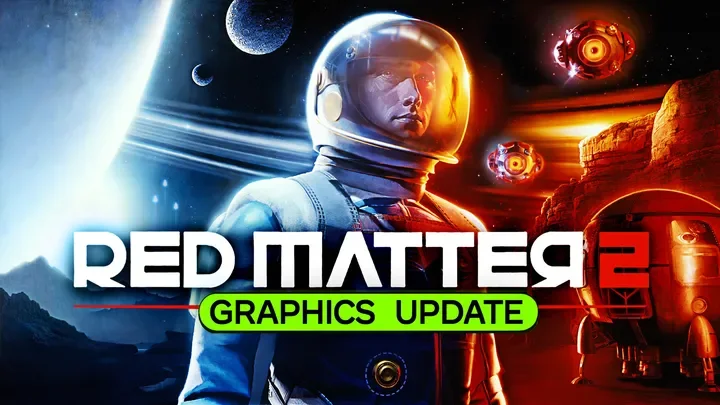
Red Matter 2's Grabber Tools Reveal Deceptively Simple VR Immersion Design
Four years after launch, Red Matter 2's grabber tool mechanics remain a masterclass in VR interaction design that prioritises immersion through elegance.
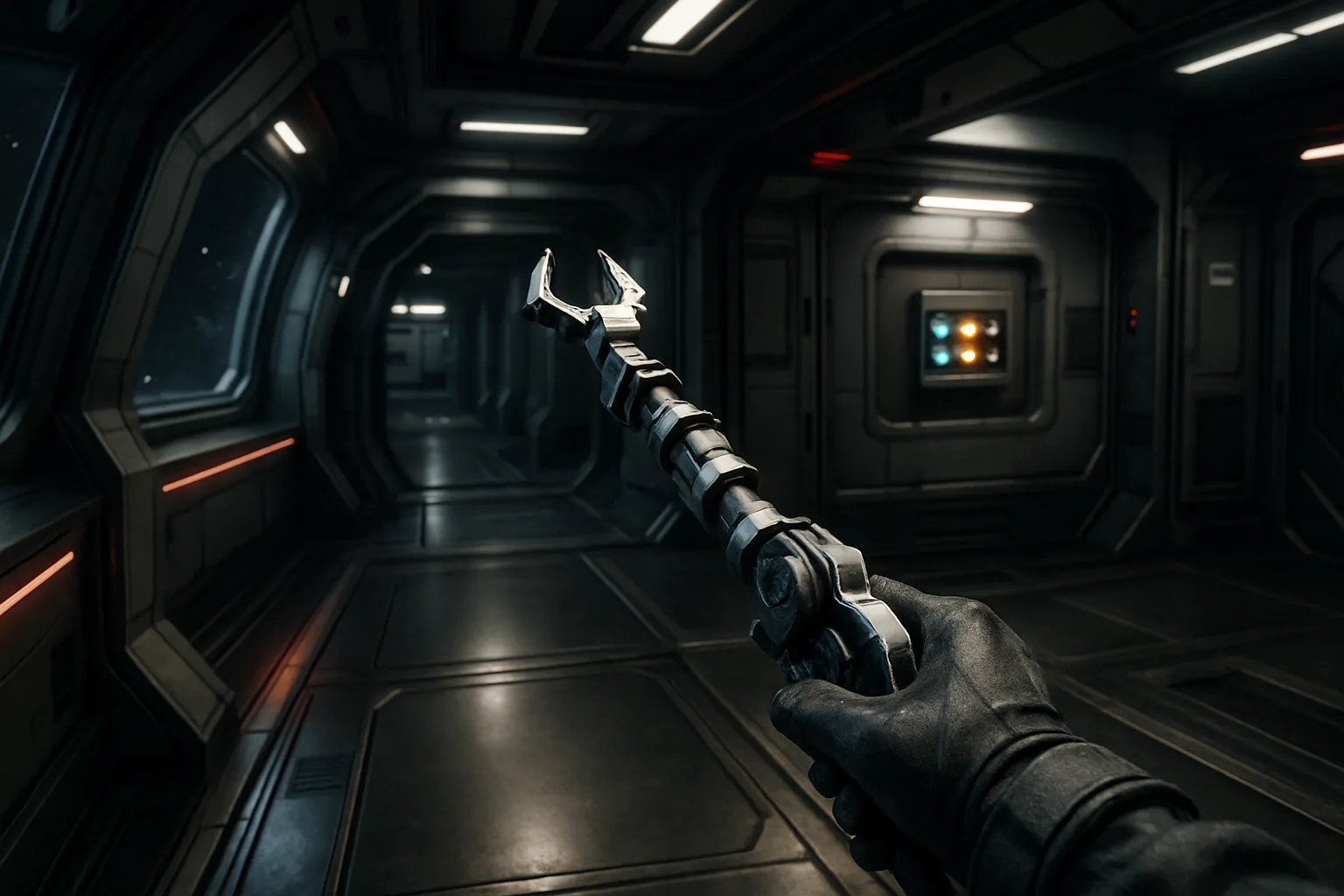
Red Matter 2, the critically acclaimed VR puzzle adventure from Vertical Robot, celebrated its fourth anniversary this month, yet its approach to interaction design continues to offer valuable lessons for the industry. Among its most elegant contributions to VR design language are the game's ubiquitous grabber tools, which manage to solve multiple interaction challenges through a single, deceptively simple mechanic that reinforces immersion at nearly every turn.
The Grabber Tool Design Philosophy
At its core, the grabber tool in Red Matter 2 functions as an extendable mechanical arm that allows players to interact with objects beyond their immediate reach. Rather than resorting to telekinesis or abstract UI elements common in many VR titles, Vertical Robot created a diegetic tool that exists within the game world itself. Players physically aim and extend the grabber by holding a button, watching as the mechanical appendage reaches out to grasp switches, retrieve items, or manipulate distant objects.
The genius lies in how this single tool addresses multiple design challenges simultaneously. First, it solves the perpetual VR problem of reach limitation without breaking immersion. Rather than allowing players to magically summon objects from across a room as seen in titles like Vacation Simulator, Red Matter 2 provides a tangible, believable explanation for extended interaction range. The grabber feels like a natural extension of the player's body, a piece of futuristic equipment that belongs in the game's Cold War era sci fi setting.
Layered Functionality and Spatial Awareness
Beyond simple reach extension, the grabber tools contribute to spatial awareness and puzzle design in ways that feel organic rather than contrived. Because players must physically aim and extend the tool, they develop a stronger sense of their environment's three dimensional layout. This stands in contrast to flat UI interaction systems that can actually diminish spatial presence, despite being easier to implement from a development perspective.
The grabber also introduces a subtle physicality to interactions that would otherwise feel disconnected. When manipulating a switch or button at distance, players see the mechanical arm extend, make contact, and apply force. This visual and tactile feedback loop, even when interacting with objects several metres away, maintains the cause and effect relationship that grounds VR experiences in believability. It is a far cry from the abstract pointer systems that dominated early VR experiences and still persist in less refined titles.
Diegetic Design as Immersion Strategy
The principle underlying Red Matter 2's grabber tools is diegetic design, where interface elements and interaction mechanics exist within the game world rather than as abstracted overlays. This approach has been championed by various VR developers, with games like Pistol Whip integrating score displays into the environment rather than floating them in screen space. However, Red Matter 2 takes this concept further by making the interaction tool itself a physical object with mechanical properties players can observe.
The grabber's extendable nature also creates interesting constraints that inform puzzle design. Players must consider angles, obstructions, and the tool's limited range when solving environmental challenges. These limitations feel fair and logical rather than arbitrary because they stem from the tool's physical properties. A player cannot reach through walls or around impossible corners, which paradoxically makes the moments when clever positioning allows for a solution feel more rewarding.
Industry Implications and Lasting Influence
Four years after its initial release, Red Matter 2's design choices remain relevant as the VR industry continues to refine interaction standards. While many contemporary titles still rely on telekinetic grabbing or abstract UI systems for convenience, the grabber tool demonstrates that immersion focused alternatives need not sacrifice usability. The implementation is intuitive enough that new players grasp it immediately, yet sophisticated enough to support complex environmental interactions throughout the game's runtime.
The success of this approach offers a blueprint for developers seeking to enhance presence in their own projects. By prioritising diegetic tools over abstract systems, even simple mechanics can reinforce the sense of inhabiting a coherent virtual space. This philosophy extends beyond puzzle games; action titles, simulation experiences like Construction Simulator Crane Driver, and narrative adventures could all benefit from similar thinking about how players interact with their environments.
Red Matter 2's grabber tools exemplify how thoughtful VR design can solve practical problems while simultaneously deepening immersion. The mechanic's elegance lies not in technical complexity but in its coherent integration with the game's world and mechanics. As the medium matures, such examples of design efficiency, where a single element serves multiple purposes without compromising believability, will likely prove increasingly influential. The fact that this four year old solution still feels fresh speaks to both its fundamental soundness and the industry's ongoing journey toward refined interaction paradigms.
Join the discussion below. Sign in to leave a comment or reply.
You need to be signed in before you can leave a comment or reply to the discussion.
Keep exploring
Explore topics →