The Worst Game on Horizon Store Now Runs Better Than Any Other on Quest 3
The Unity Cube, a deliberately terrible test application, now outperforms every other Quest title after receiving experimental performance updates from Meta.
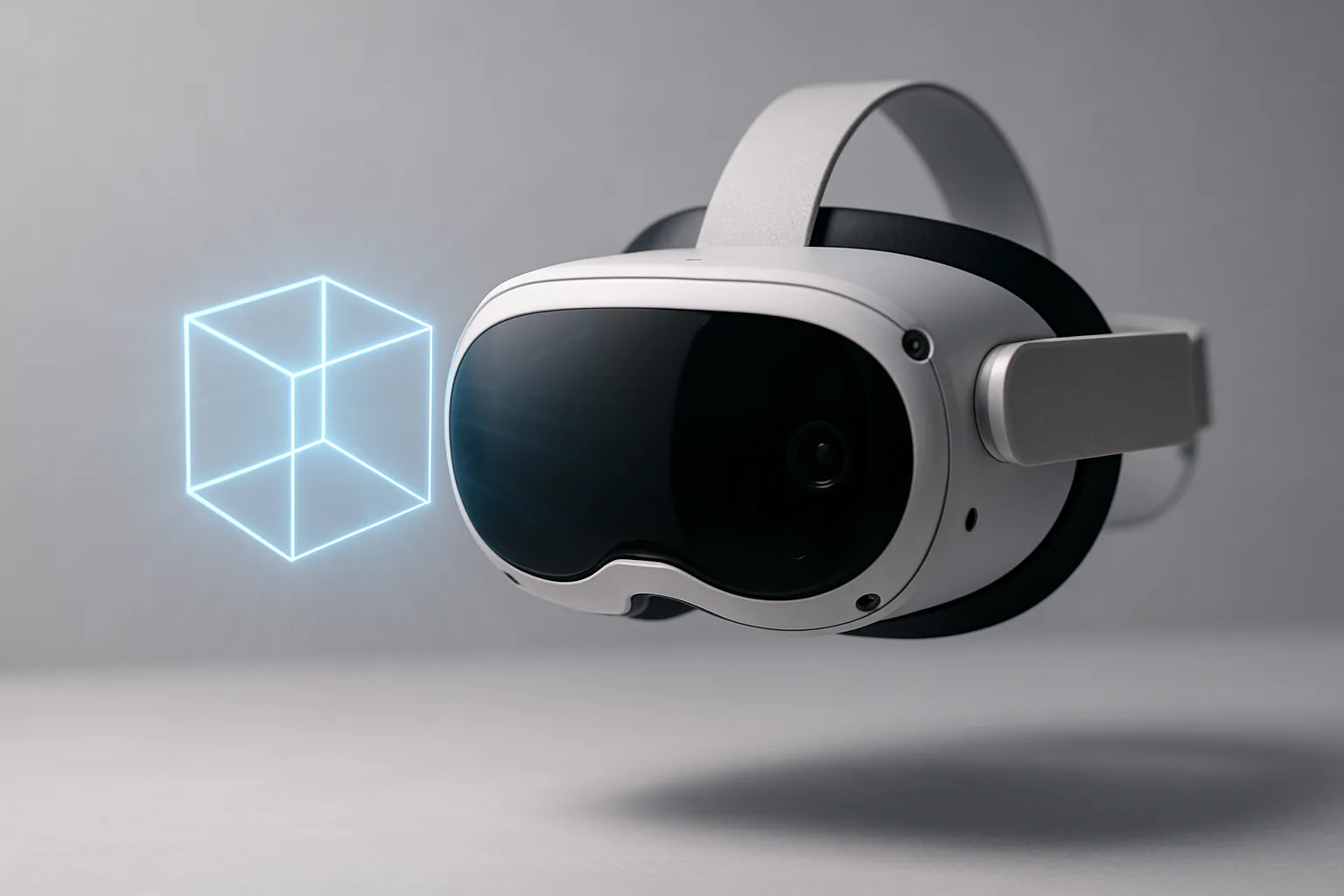
The Unity Cube, an application consisting of nothing more than a floating cube in an empty space, has become an unlikely benchmark for Meta Quest performance after receiving experimental updates that enable it to run at unprecedented frame rates on Quest 3 hardware. The application, which was originally created as a stress test for Meta's App Lab submission policies, has now found itself at the forefront of the platform's technical capabilities following the dissolution of App Lab and its subsequent migration to the main Horizon store.
Meta's decision to grant The Unity Cube access to experimental performance features has transformed what was essentially a joke application into the best performing title on the Quest platform. The application now utilizes advanced rendering techniques and frame rate optimizations that exceed those available to standard commercial releases, demonstrating technical capabilities that remain inaccessible to legitimate developers working on substantial VR experiences. This development raises questions about resource allocation and the criteria Meta uses when selecting applications for experimental feature access.
From App Lab Experiment to Performance Showcase
The Unity Cube was initially developed to determine precisely how minimal an application could be whilst still gaining approval for Meta's App Lab program, which previously served as an uncurated distribution channel for Quest content. The application's creator deliberately stripped away every conventional element of game design, leaving only the most basic 3D object rendered in virtual space. When App Lab was dissolved and its contents merged into the main Horizon store, The Unity Cube transitioned alongside thousands of other applications, becoming part of Meta's official storefront despite offering no genuine entertainment or utility value.
The application's transformation into a performance leader occurred when Meta selected it for testing of experimental rendering pipelines and frame rate capabilities. Developers working on complex, resource intensive VR experiences have noted with frustration that their applications, which feature detailed environments, sophisticated gameplay mechanics and substantial content, cannot achieve the performance levels now demonstrated by The Unity Cube. The disparity highlights ongoing challenges within the Quest development ecosystem, where access to cutting edge optimization tools remains inconsistent across the developer community.
Technical Implications for Quest Development
The performance achievements demonstrated by The Unity Cube provide tangible evidence of the Quest 3's untapped potential when applications are granted access to Meta's most advanced optimization features. Industry observers have pointed out that if a minimal application consisting of a single geometric object can achieve such remarkable frame rates, the potential improvements for fully featured VR experiences could be substantial. However, the selective distribution of these experimental features has created a two tiered development environment where some applications benefit from technical advantages unavailable to the broader developer community.
This situation parallels ongoing discussions within the VR development community about platform optimization and the relationship between hardware manufacturers and content creators. Whilst Meta continues to refine its development tools and performance features, the case of The Unity Cube demonstrates that significant headroom exists within the Quest 3's hardware capabilities. Developers creating ambitious titles have expressed hope that the experimental features currently limited to test applications will eventually become available across the platform, potentially enabling a new generation of visually impressive and technically sophisticated VR experiences.
Platform Quality and Curation Concerns
The presence of The Unity Cube on the main Horizon store, particularly as a top performing application, has reignited debates about content curation on Meta's VR platform. Following the dissolution of App Lab, which explicitly positioned itself as an uncurated space for experimental and niche content, the main Horizon store has absorbed applications of wildly varying quality and purpose. Whilst curated sections of the store continue to showcase premium titles and featured content, the broader catalogue now includes applications that would not have qualified for the previous Oculus Store approval process.
The situation stands in contrast to other VR platforms that maintain stricter submission requirements and quality thresholds. Critics argue that allowing deliberately minimal applications to occupy storefront space alongside legitimate commercial releases diminishes the perceived quality of the entire platform. Supporters of Meta's more permissive approach contend that open distribution enables experimentation and provides opportunities for smaller developers, though The Unity Cube represents an edge case that few anticipated when App Lab content was integrated into the main store.
Industry Response and Future Outlook
The response from the VR development community has been mixed, with some developers finding humour in the situation whilst others express genuine concern about the implications for platform perception and resource allocation. Several high profile VR studios have used The Unity Cube's performance capabilities to highlight the disparity between what the Quest 3 hardware can achieve and the limitations imposed on commercial releases. This has prompted calls for Meta to either restrict experimental features to private development builds or make these optimization tools available to all developers through official SDK updates.
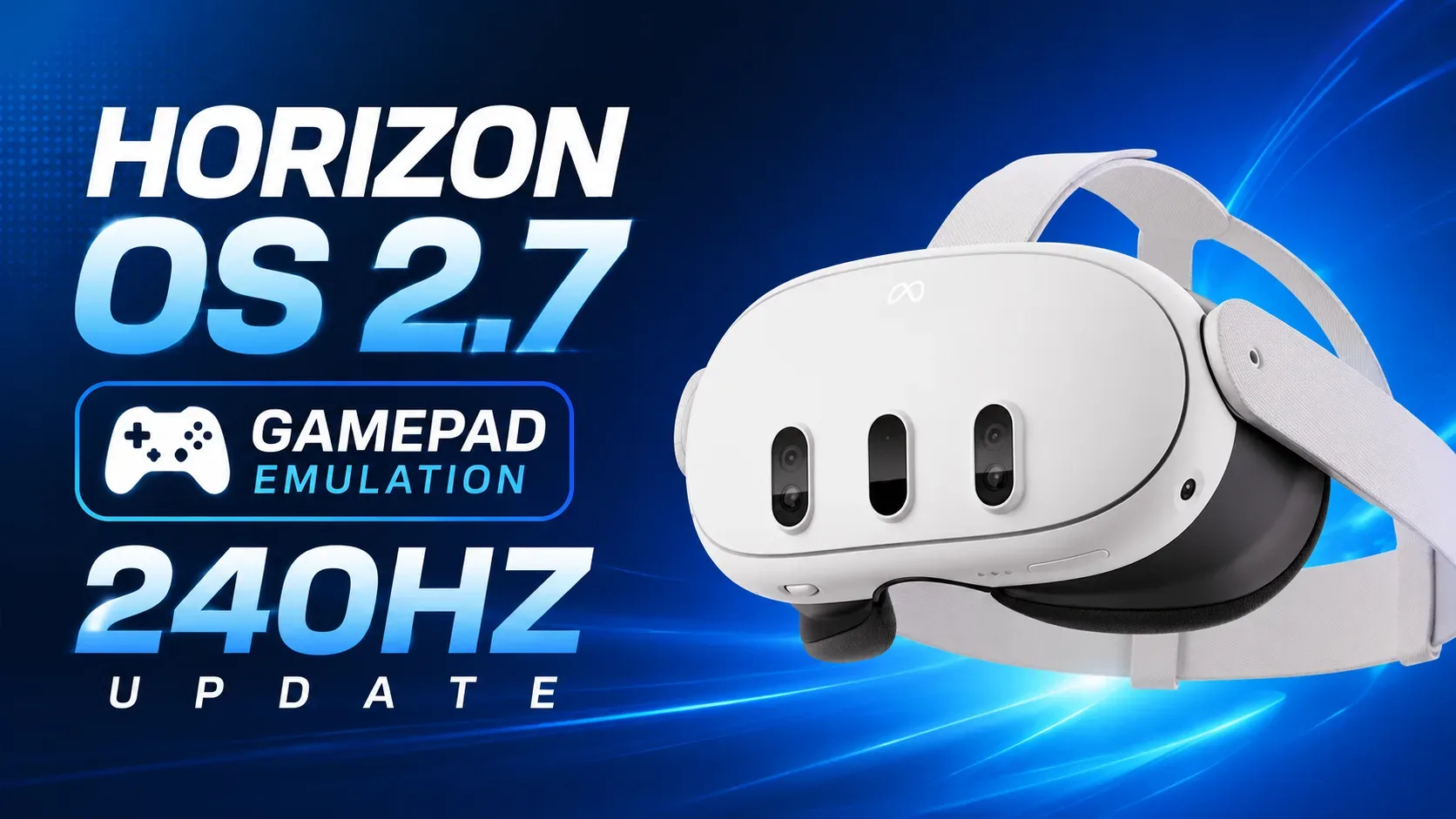
Meta has not issued public statements regarding The Unity Cube's performance capabilities or plans to expand access to the experimental features it utilizes. The company's recent Horizon OS 2.7 update introduced gamepad emulation and 240Hz refresh rate support to Quest 3, demonstrating ongoing platform optimization efforts. However, these improvements remain separate from the specialized rendering techniques that enable The Unity Cube's exceptional performance metrics. As Meta continues development of its next generation hardware, the lessons learned from experimental applications like The Unity Cube may inform future platform capabilities and developer tools.
The Unity Cube's unexpected status as the best performing application on Quest 3 serves as both a technical curiosity and a commentary on the current state of VR platform development. Whilst the application itself offers no practical value to users, its performance characteristics demonstrate the significant optimization potential that exists within Meta's hardware ecosystem. Whether this situation prompts changes to how Meta distributes advanced development tools or simply remains an amusing footnote in VR history will likely depend on continued pressure from the developer community and Meta's priorities for platform evolution. For now, the worst game on the Horizon store holds the unlikely distinction of showcasing the Quest 3's peak performance capabilities, a paradox that encapsulates both the opportunities and challenges facing contemporary VR development.
Join the discussion below. Sign in to leave a comment or reply.
You need to be signed in before you can leave a comment or reply to the discussion.
Keep exploring
Explore topics →