iPhone Duo Seemingly Cannot Capture Spatial Photos or Video for Vision Pro
Apple's $2000 iPhone Duo has two rear cameras, but seemingly cannot capture spatial photos or video for viewing on Apple Vision Pro.
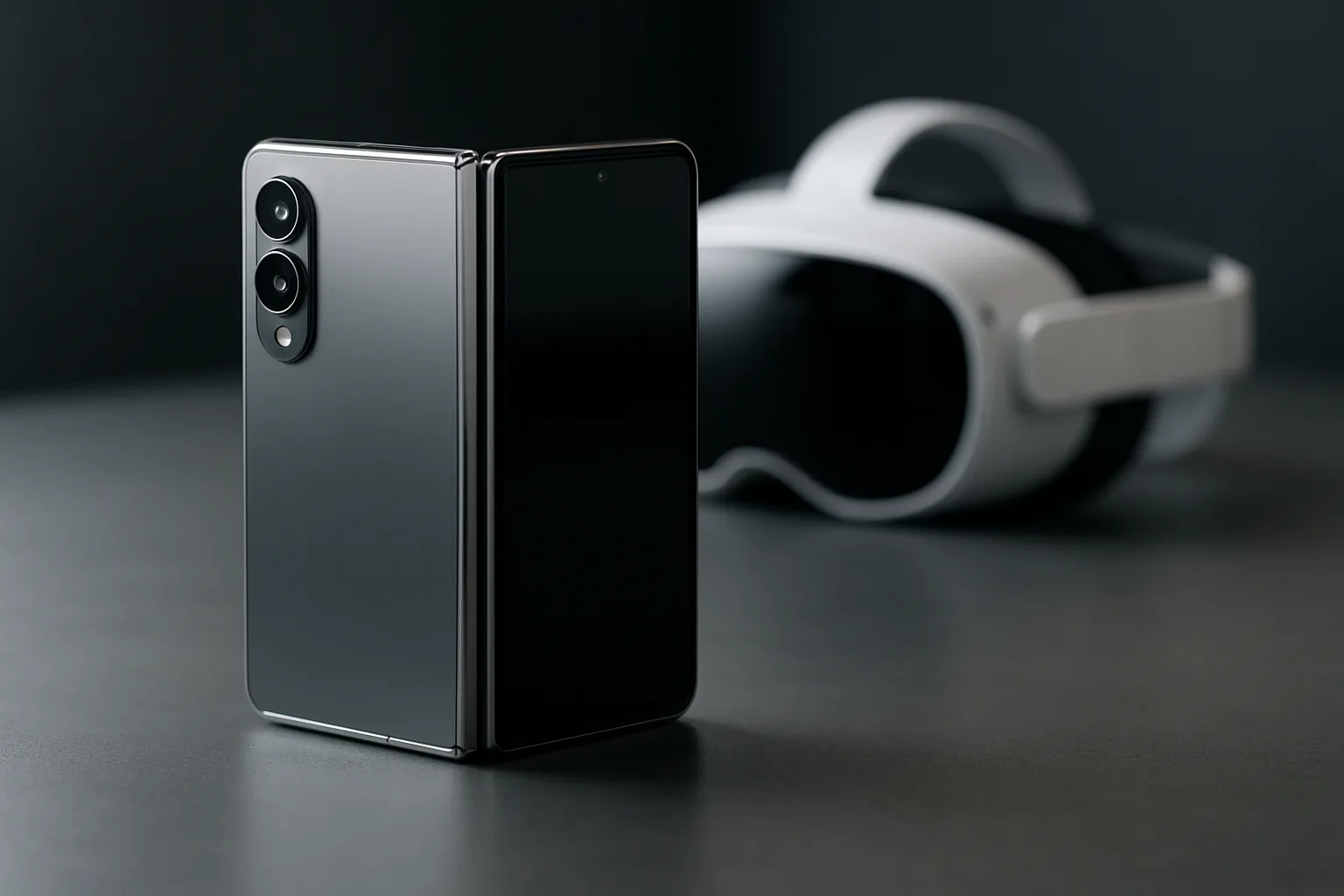
Apple's newly released iPhone Duo, the company's first dual screen foldable smartphone priced at approximately $2000, appears to lack the capability to capture spatial photos or video despite featuring two rear cameras. The absence of this functionality has raised questions among early adopters and enthusiasts who expected the device to integrate seamlessly with Apple's spatial computing ecosystem, particularly the Apple Vision Pro headset.
Technical Limitations Despite Dual Camera Setup
The iPhone Duo's design incorporates dual rear facing cameras, a configuration that theoretically provides the hardware necessary for stereoscopic image capture. Spatial photos and videos require simultaneous capture from two lenses positioned at slightly different angles, mimicking human binocular vision to create depth information. While the iPhone 15 Pro and iPhone 16 models feature spatial video recording capabilities through their main and ultra wide cameras, the iPhone Duo's camera array apparently does not support this feature despite the presence of multiple lenses.
Apple has not officially commented on whether this limitation is permanent or might be addressed through future software updates. The omission appears particularly conspicuous given the company's emphasis on spatial computing with the Vision Pro and its integration of spatial capture features across other recent iPhone models. Industry observers have noted that the camera spacing and alignment on the iPhone Duo may differ from the configurations optimised for spatial capture on other devices, potentially explaining the technical constraints.
Implications for Vision Pro Users
The lack of spatial capture functionality on the iPhone Duo creates a notable gap in Apple's ecosystem for users who have invested in both premium products. Vision Pro owners rely on spatial photos and videos to create immersive content that can be relived with depth and dimensionality, transforming personal memories into three dimensional experiences. The ability to capture these moments has been positioned as a key selling point for Apple's spatial computing platform, making the iPhone Duo's apparent inability to contribute to this content library a significant limitation.
Users who anticipated using the foldable device as both a productivity tool and a spatial content creation device may need to continue relying on other iPhone models for this specific functionality. This bifurcation in capabilities across Apple's premium smartphone lineup could influence purchasing decisions for consumers deciding between the innovative form factor of the iPhone Duo and the spatial recording features available on conventional iPhone Pro models.
Market Context and Competitive Landscape
The revelation comes at a time when spatial computing and immersive content creation are becoming increasingly significant differentiators in the premium smartphone and headset markets. Apple's Vision Pro has established spatial video as a compelling use case for mixed reality headsets, with competing platforms exploring similar features. The iPhone Duo's exclusion from this ecosystem may limit its appeal to users invested in Apple's spatial computing vision, even as its foldable design offers unique advantages in other areas such as multitasking and screen real estate.
The $2000 price point positions the iPhone Duo as a direct competitor to other ultra premium smartphones and foldable devices, many of which are beginning to explore three dimensional capture capabilities. Without spatial video recording, the device relies on its innovative form factor and dual screen functionality to justify its premium positioning, potentially narrowing its target audience to users who prioritise those features over integration with spatial computing platforms.
Conclusion
The iPhone Duo's apparent inability to capture spatial photos or video represents a curious omission in Apple's otherwise tightly integrated ecosystem. While the device brings innovative foldable technology to Apple's smartphone lineup, the lack of compatibility with Vision Pro's spatial content capabilities creates a functional disconnect that may disappoint users seeking a unified spatial computing experience. Whether this limitation stems from hardware constraints or represents a deliberate product segmentation strategy remains unclear, leaving prospective buyers to weigh the foldable form factor against the spatial capture features available on conventional iPhone Pro models.
Join the discussion below. Sign in to leave a comment or reply.
You need to be signed in before you can leave a comment or reply to the discussion.
Keep exploring
Explore topics →