PSVR Exclusive Astro Bot Rescue Mission Now Running on Quest 3 via VR Mod
AI assisted coding has accelerated VR modding, with the latest achievement bringing PlayStation exclusive Astro Bot Rescue Mission to Quest 3 hardware.
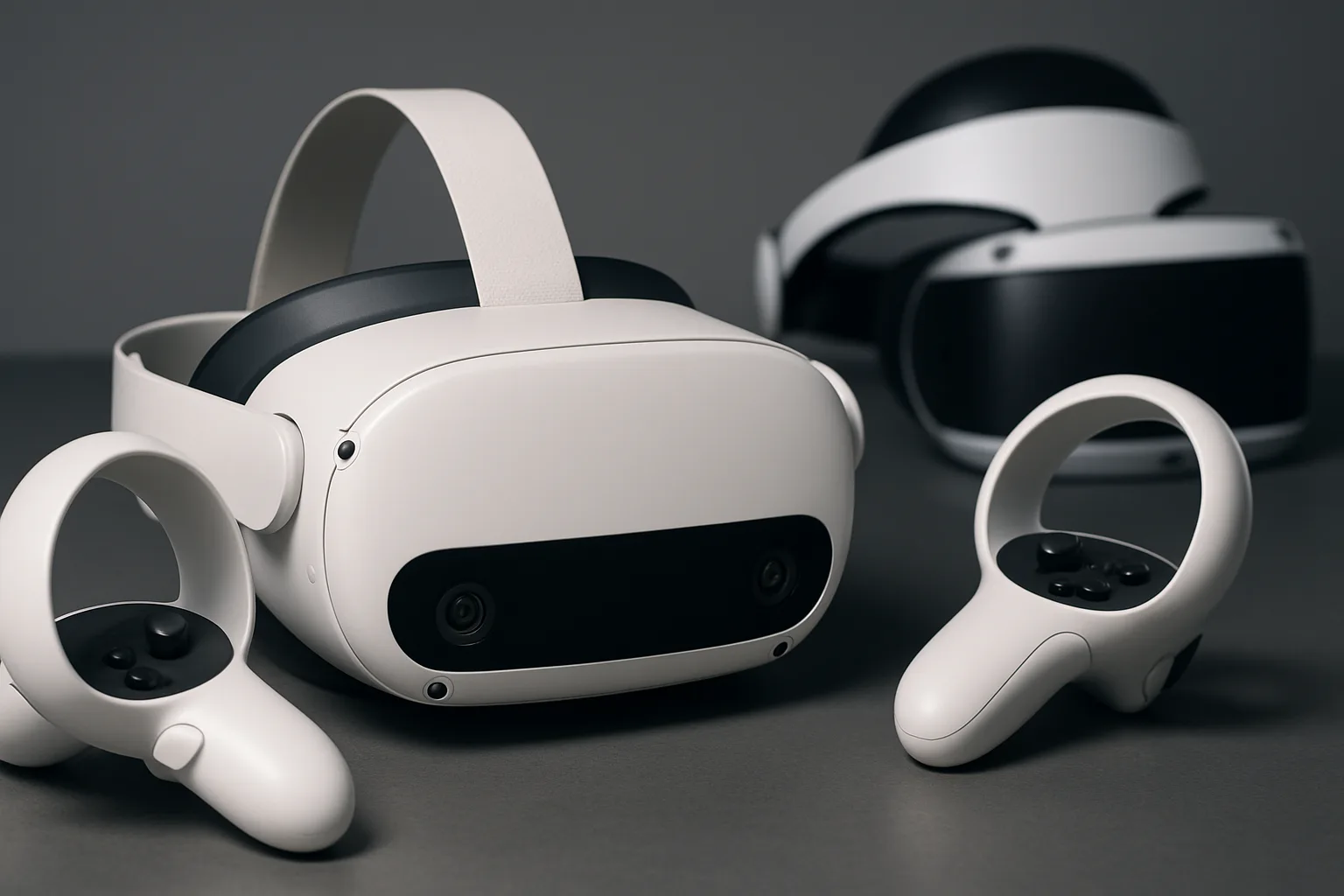
The virtual reality modding community has achieved another significant milestone with the successful port of Astro Bot Rescue Mission, a PlayStation VR exclusive title, to Meta's Quest 3 headset. VR modder Bigmak94 has released the modification, marking the latest achievement in what has become an unprecedented surge of VR modding activity driven by AI assisted development tools and techniques known as "vibecoding".
Astro Bot Rescue Mission, originally released in 2018 exclusively for Sony's PlayStation VR, garnered widespread critical acclaim for its innovative approach to VR platforming. The title demonstrated how traditional platformer mechanics could be reimagined for virtual reality, earning praise from critics and players alike for its charming presentation, clever level design and polished execution. The game's success on PSVR made it a standout exclusive for Sony's platform, and its subsequent sequel, Astro Bot, arrived on PlayStation VR2 to similar acclaim.
The AI Driven VR Modding Revolution
The emergence of AI assisted coding techniques has fundamentally altered the landscape for VR modding. These tools, collectively referred to as vibecoding, enable modders to accelerate development processes that previously required extensive manual programming knowledge and time investment. The result has been a veritable explosion of VR modifications, bringing previously platform exclusive titles to new hardware and breathing fresh life into older VR experiences.
Bigmak94's track record demonstrates the effectiveness of these new development approaches. The modder has previously released several notable VR modifications, and the Astro Bot Rescue Mission port represents another feather in an increasingly impressive cap. The modification allows Quest 3 owners to experience the beloved platformer on Meta's standalone headset, eliminating the need for PlayStation hardware and Sony's dedicated VR equipment.
Implications for Platform Exclusivity
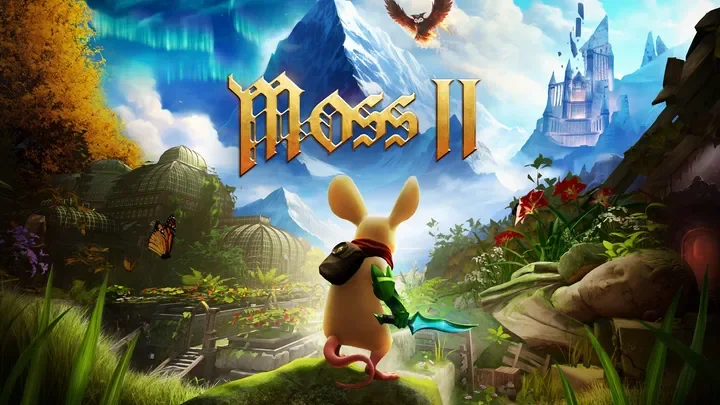
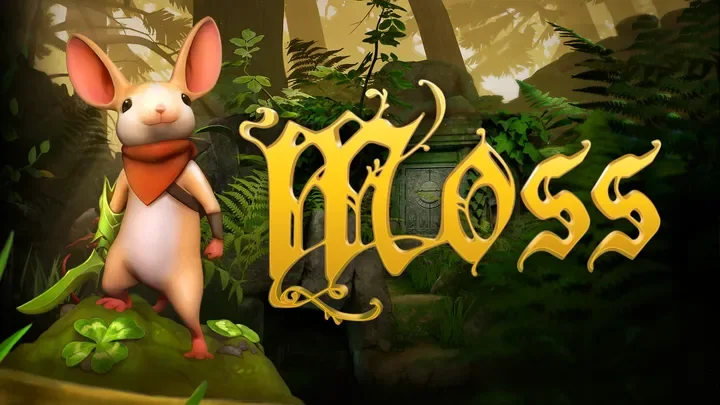
The growing sophistication and frequency of VR mods pose interesting questions about the long term viability of platform exclusivity in virtual reality. Whilst official ports require developer resources and platform holder approval, the modding community has shown increasing capability to circumvent these traditional barriers. For players, this development opens access to experiences that would otherwise remain locked to specific ecosystems. Those who enjoyed games such as Moss: Book II on Quest may now have opportunities to explore platform exclusive titles through similar community efforts.
However, this trend also raises questions about intellectual property and developer compensation. Whilst mods typically require users to own the original game, the porting of exclusive titles to competing platforms exists in a legal grey area. Sony and other platform holders have invested significant resources in securing and developing exclusive content, and community ports potentially undermine those strategic investments.
Technical Achievement and Community Response
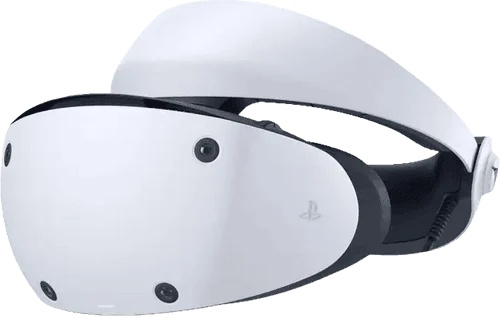
The technical challenges involved in porting a PSVR title to Quest 3 should not be understated. The two platforms differ significantly in architecture, control schemes and performance profiles. PSVR operates as a tethered headset connected to PlayStation console hardware, whilst Quest 3 functions as a standalone device with its own mobile class processor. Successfully translating a game between these environments requires substantial technical expertise, even with AI assistance.
Early reports from users who have tested the modification suggest that the port functions admirably, though specific performance metrics and any limitations compared to the original PSVR version remain subjects of ongoing community discussion. The mod represents yet another example of how community developers are pushing the boundaries of what can be achieved in VR through determination and increasingly sophisticated development tools.
The continued acceleration of VR modding activity signals a shift in how virtual reality content may be consumed in the future. As AI assisted development tools become more powerful and accessible, the barriers to porting and modifying VR experiences continue to lower. For the broader VR ecosystem, this democratisation of development capability presents both opportunities for expanded access to content and challenges for platform holders seeking to maintain exclusive libraries as competitive advantages.
Join the discussion below. Sign in to leave a comment or reply.
You need to be signed in before you can leave a comment or reply to the discussion.
Keep exploring
Explore topics →