Ray Ban Meta Audio Drops Camera for Lighter, More Socially Acceptable Design
Meta's new camera free Ray Ban Audio glasses offer a lighter design focused purely on audio, addressing privacy concerns from the original smart glasses.
Meta has introduced a new camera free variant of its Ray Ban smart glasses lineup, dubbed Ray Ban Meta Audio, stripping away the controversial recording capabilities in favour of a lighter, more streamlined design. The move represents a significant strategic shift for the company, acknowledging the persistent privacy concerns that have dogged camera equipped smart glasses since their inception.
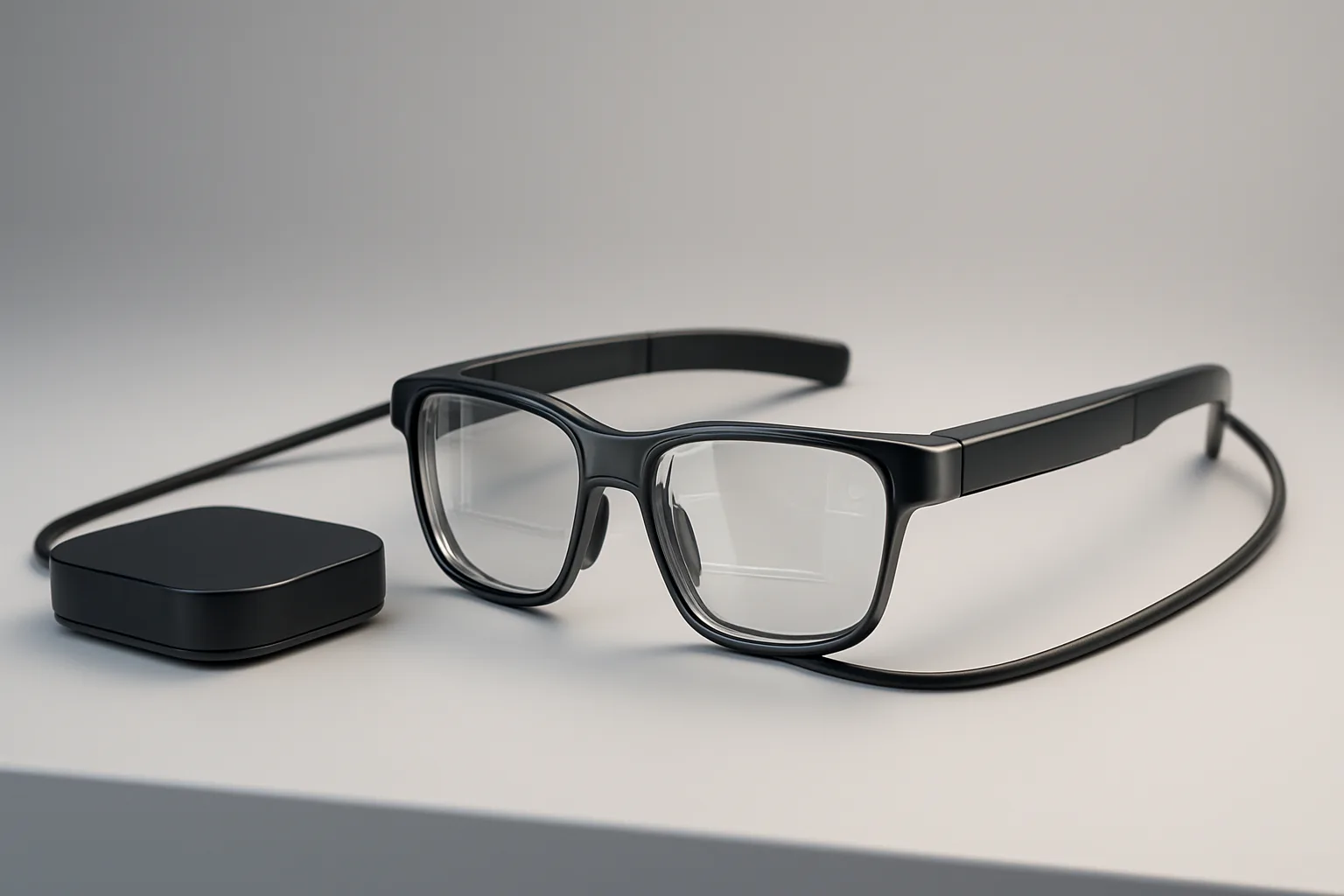
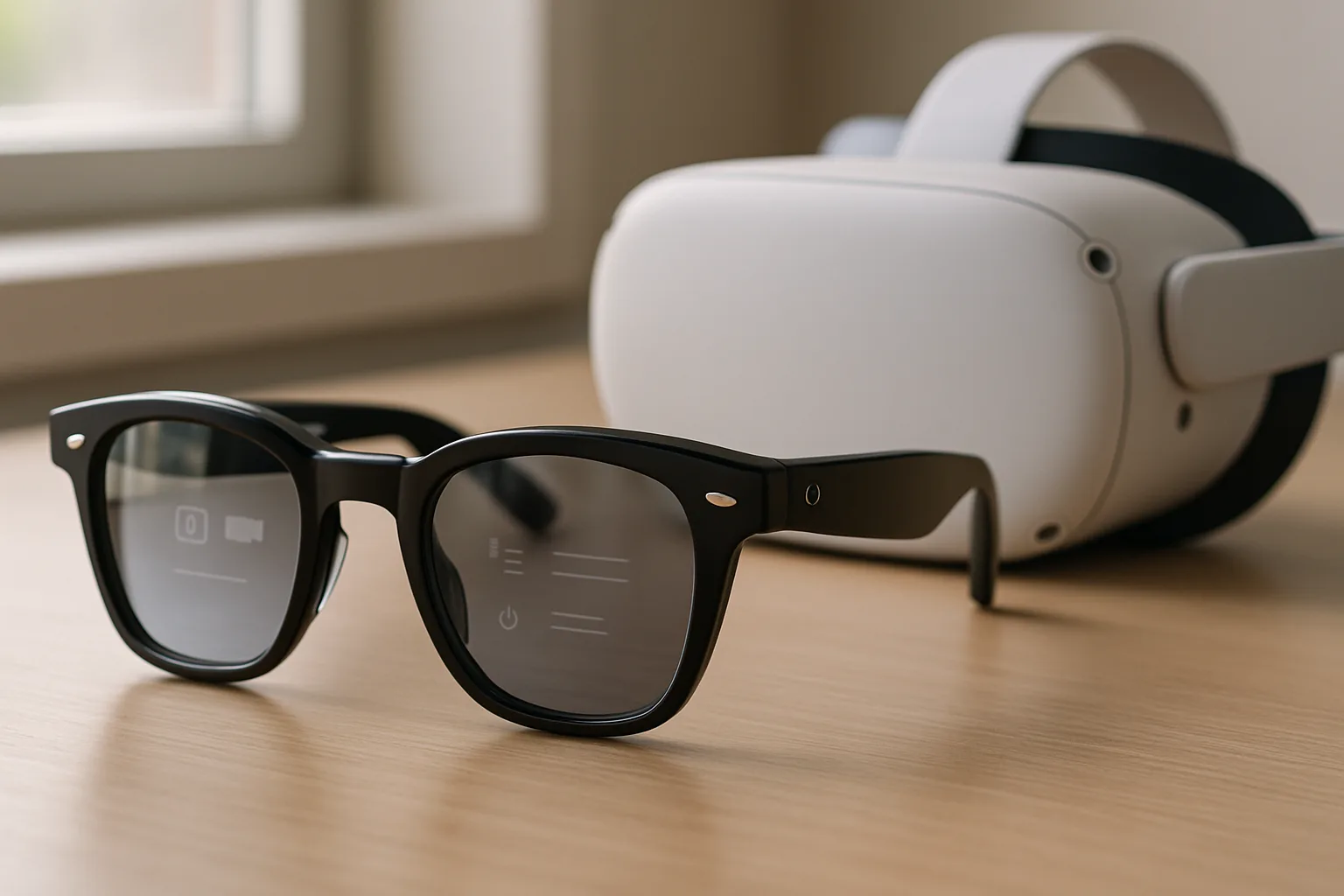
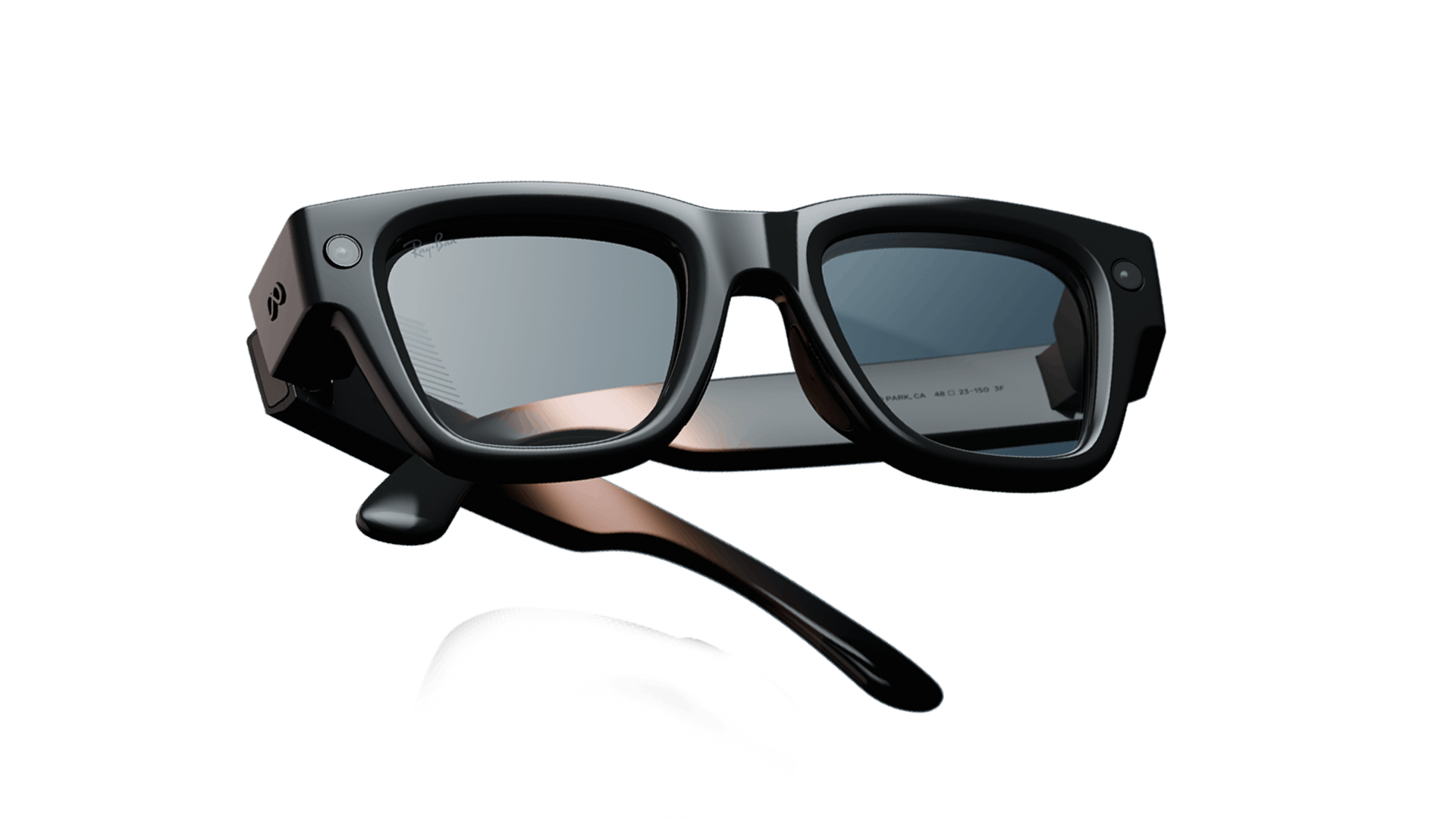
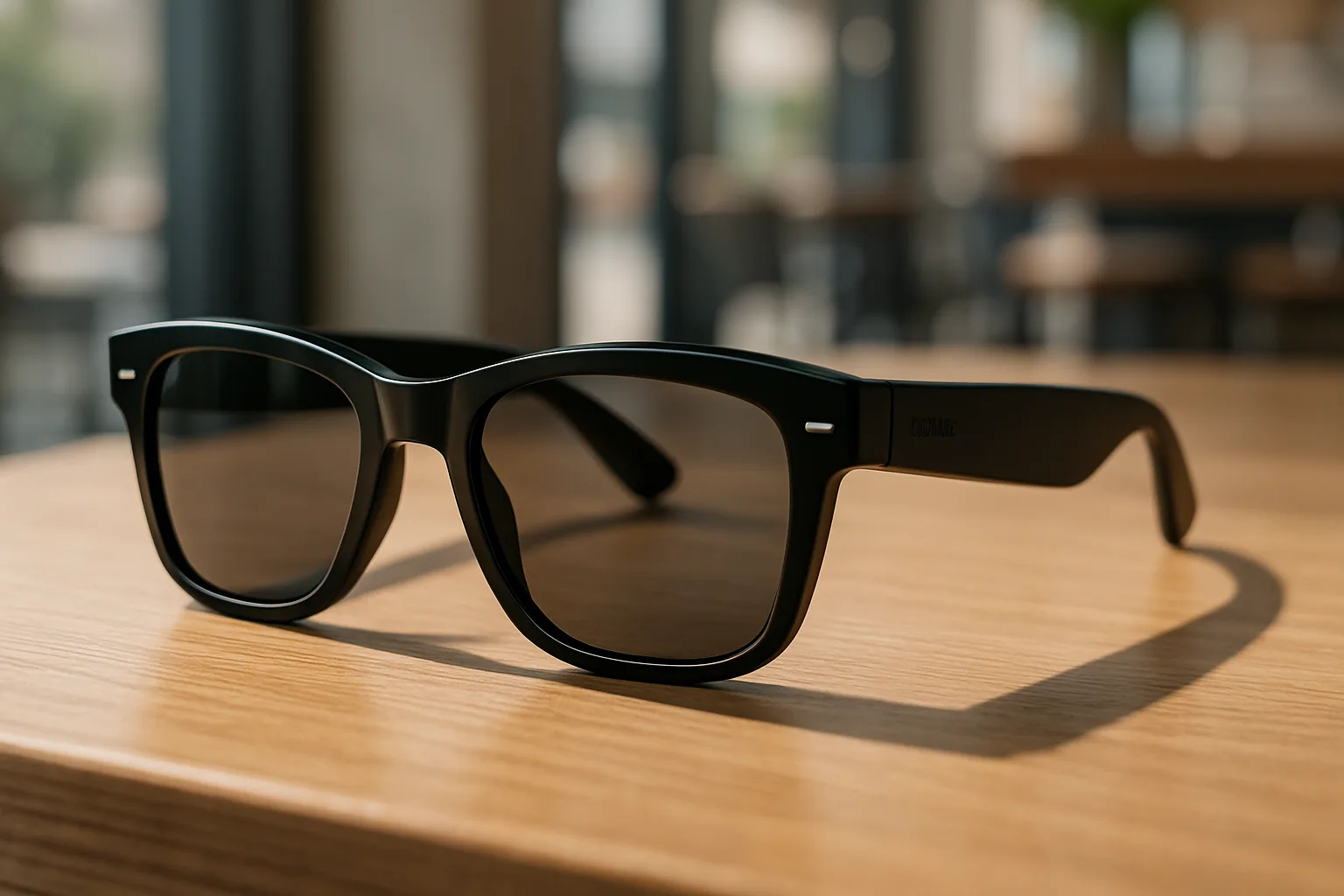
The Ray Ban Meta Audio retains the audio functionality of its predecessor, including speakers for music playback and phone calls, alongside Meta's AI assistant integration. However, by removing the camera module entirely, the new model achieves a notably reduced weight and a more conventional appearance that closely resembles traditional eyewear. This design choice directly addresses the social stigma and privacy backlash that have historically limited mainstream adoption of camera equipped smart glasses.
Privacy Concerns Drive Design Decision
The elimination of recording capabilities reflects Meta's attempt to navigate the complex social landscape surrounding wearable technology. Camera equipped smart glasses have faced sustained criticism from privacy advocates and the general public, with concerns centring on surreptitious recording in public and private spaces. Previous iterations, including the original Ray Ban Stories and the current Meta Ray Ban Display, featured visible LED indicators to signal when recording was active, yet these measures proved insufficient to assuage widespread unease.
The new Audio variant sidesteps these issues entirely, positioning itself as a wearable audio device rather than a recording instrument. This approach mirrors the market segmentation seen in other smart eyewear categories, where companies like Rokid, Viture and Xreal have found success with display focused glasses that avoid camera integration. By offering consumers a choice between camera equipped and audio only models, Meta acknowledges that not all users require or desire recording functionality, whilst many actively prefer to avoid it for social reasons.
Technical Specifications and Market Positioning
Whilst Meta has not disclosed detailed technical specifications, the removal of camera components typically allows for improved battery efficiency and reduced device weight, both critical factors in all day wearability. The Ray Ban Meta Audio is expected to maintain compatibility with Meta's AI assistant features, allowing users to make queries and receive spoken responses through the integrated speakers without visual capture or display capabilities.
The pricing strategy for the Audio variant has not been confirmed, though industry observers anticipate a lower price point compared to the camera equipped models, potentially opening the product to a broader consumer base. This could prove particularly appealing in workplace environments and public venues where camera restrictions are commonplace, yet audio focused wearables face fewer regulatory hurdles.
Industry Context and Competitive Landscape
Meta's decision arrives amid a broader reckoning within the smart glasses industry regarding privacy and social acceptability. Following years of tepid consumer response to camera equipped eyewear, manufacturers are increasingly exploring alternative approaches. Companies such as Rokid and Xreal have established substantial markets for display centric smart glasses without integrated cameras, demonstrating viable alternative product categories.
The move also positions Meta to compete more directly in the premium audio wearables market, where products like Bose Frames and Amazon Echo Frames have carved out niches without facing the privacy scrutiny directed at camera enabled devices. By offering Ray Ban's iconic styling combined with audio and AI functionality, Meta may attract fashion conscious consumers who have historically avoided smart glasses due to their recording capabilities.
Implications for Future Development
The introduction of a camera free model suggests Meta is adopting a more diversified product strategy for its wearables division, potentially signalling the development of distinct product lines targeting different use cases and consumer preferences. This approach could inform the company's broader augmented reality ambitions, including the development of true AR glasses with display capabilities.
The Ray Ban Meta Audio represents a pragmatic acknowledgement that the path to mainstream smart glasses adoption may require incremental steps rather than feature maximalist devices. By removing the most contentious element whilst preserving core functionality, Meta appears to be testing whether simplified, single purpose wearables can achieve the market penetration that more ambitious products have struggled to attain. The success or failure of this approach will likely influence product development strategies across the entire smart eyewear sector, determining whether camera free designs become a permanent fixture or merely a transitional phase in the evolution of wearable technology.
Join the discussion below. Sign in to leave a comment or reply.
You need to be signed in before you can leave a comment or reply to the discussion.
Keep exploring
Explore topics →