Meta Announces VR Glasses Next Gen XR Headset, Priced at $1,300
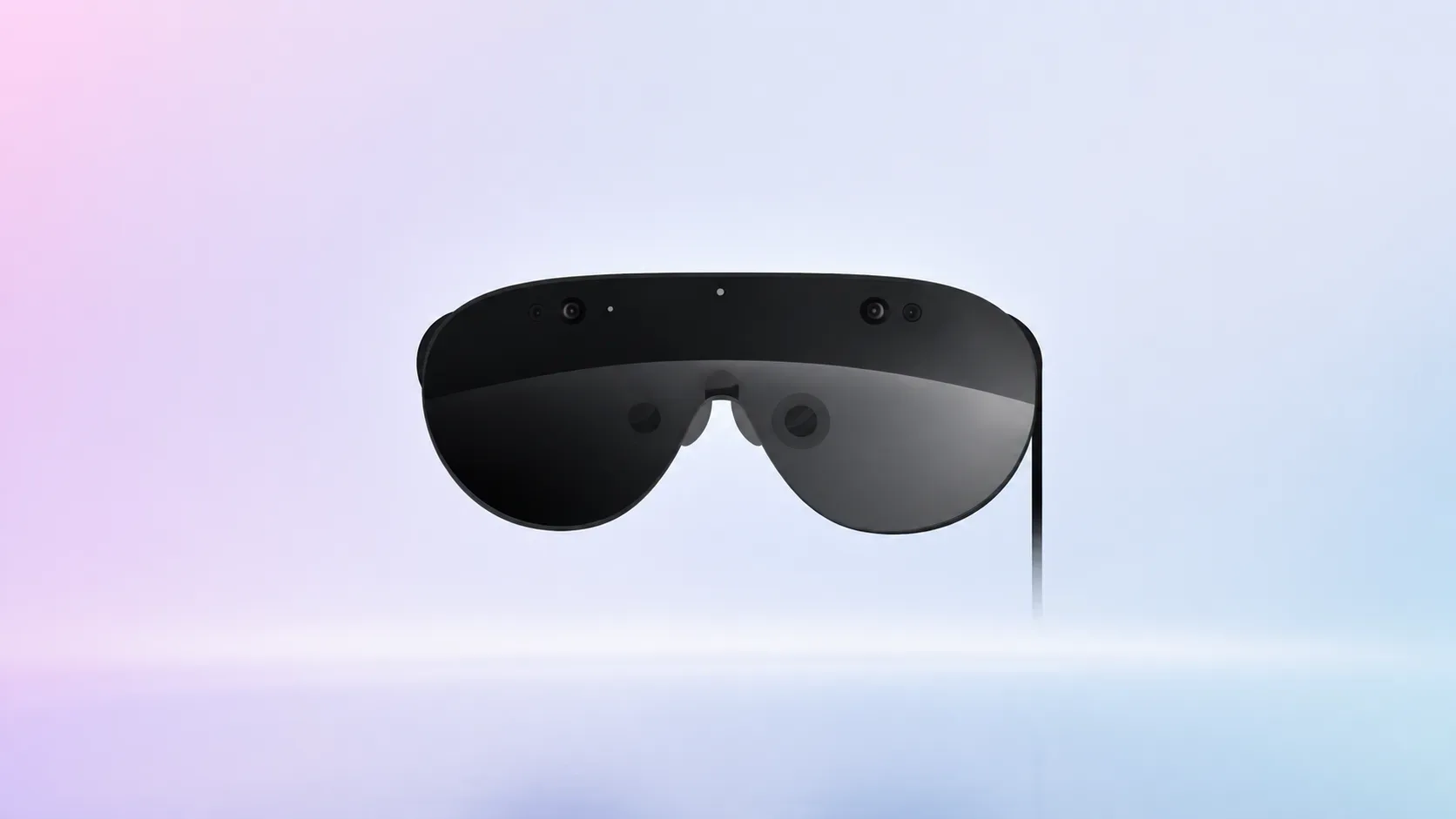
Meta unveils Meta VR Glasses, its compute puck tethered mixed reality headset previously codenamed Project Phoenix, set for Spring launch at $1,300.
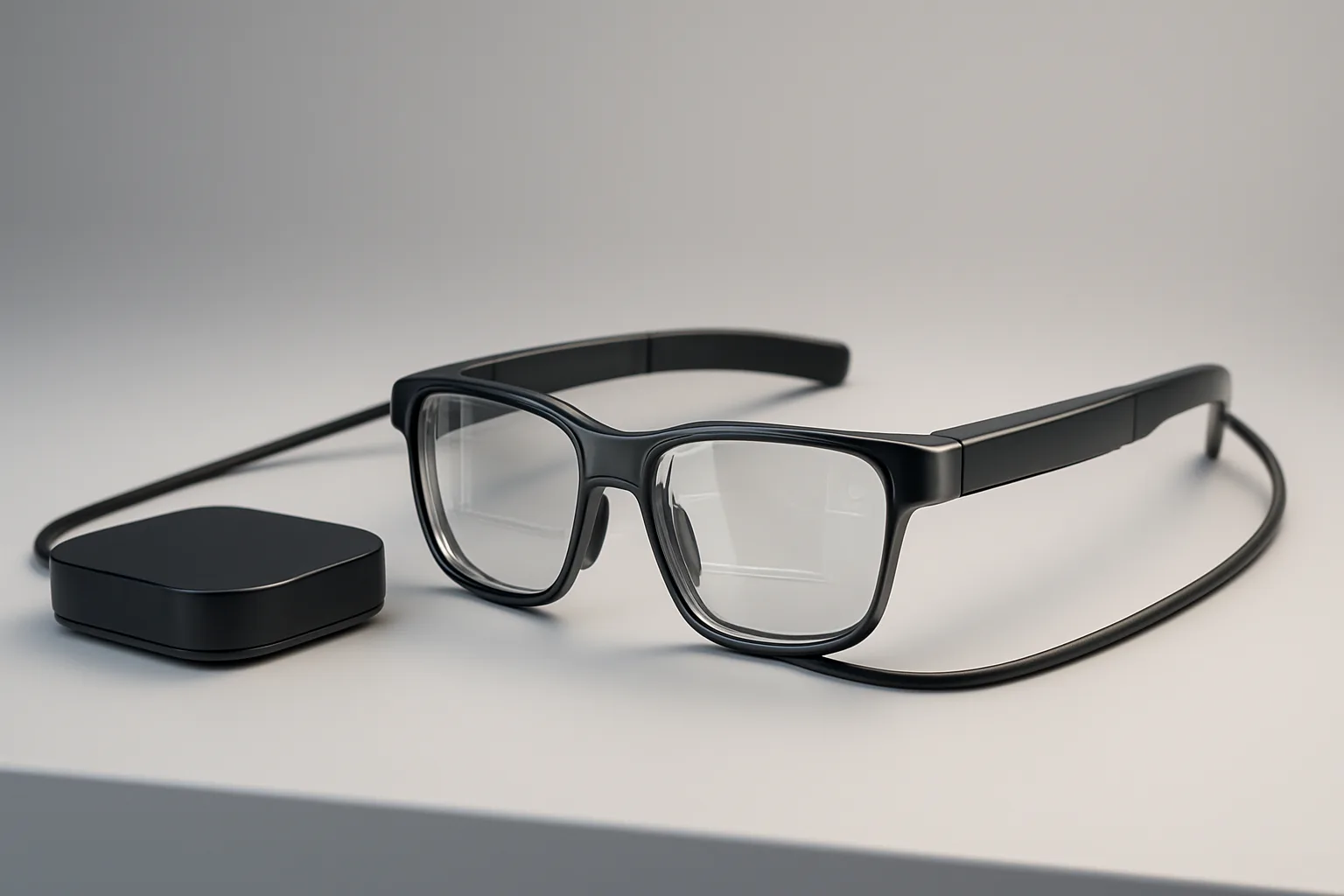
Meta today unveiled its long awaited next generation mixed reality headset, officially named Meta VR Glasses. Previously known under the codename Project Phoenix, the device represents a significant departure from the company's existing Quest lineup, featuring a compute puck tethered design rather than the standalone architecture that has defined Meta's recent virtual reality offerings. The announcement marks a notable shift in Meta's XR strategy, positioning the company to compete in the premium mixed reality segment with a device priced at $1,300.
The Meta VR Glasses will not be available immediately following today's announcement. Instead, Meta has confirmed the device is slated to go on sale sometime in Spring, though a precise release date has not yet been disclosed. The compute puck tethered design suggests Meta is prioritising performance and visual fidelity over the portability that has characterised devices such as the Apple Vision Pro and Meta's own Quest 3. By offloading processing to a separate compute unit worn on the body or placed nearby, the headset itself can be lighter and more comfortable for extended wear whilst still delivering high end mixed reality experiences.
A New Direction for Meta's XR Ecosystem
The $1,300 price point positions Meta VR Glasses firmly in the premium tier of the extended reality market, substantially higher than the Quest 3's consumer focused pricing but significantly below enterprise focused solutions such as the Varjo XR 4. This pricing strategy suggests Meta is targeting prosumers, developers, and early adopters willing to invest in cutting edge mixed reality technology. The compute puck architecture may also enable future hardware upgrades without requiring users to replace the entire headset, potentially offering better long term value despite the higher initial investment.
Meta's decision to move away from the standalone Quest formula with this device indicates the company recognises different use cases require different approaches. Whilst the Quest line continues to serve the mainstream gaming and fitness market well, with titles such as Pistol Whip driving consumer adoption, the VR Glasses appear designed for more demanding applications where performance cannot be constrained by mobile processing limitations. The tethered design also sidesteps battery life concerns that have plagued standalone headsets, though it reintroduces physical constraints that Meta has spent years eliminating.
Market Implications and Spring Launch
The Spring launch window places Meta VR Glasses in direct temporal proximity to other anticipated XR releases and updates, potentially intensifying competition in the premium mixed reality space. Meta's announcement today provides developers and content creators with advance notice to prepare applications and experiences optimised for the new hardware platform. The compute puck architecture may require specific optimisation approaches compared to standalone Quest development, necessitating this extended lead time between announcement and availability.
Meta VR Glasses represents a calculated expansion of the company's XR portfolio rather than a replacement for existing products. By maintaining both standalone Quest devices for mainstream users and introducing the tethered VR Glasses for performance oriented applications, Meta is hedging its bets across multiple market segments. The success of this dual track strategy will likely depend on whether developers embrace the platform and whether Meta can articulate a compelling use case that justifies the premium price and reduced mobility compared to Quest alternatives. The Spring launch will provide the first real world test of whether the market is ready for Meta's vision of premium, performance focused mixed reality experiences.
Join the discussion below. Sign in to leave a comment or reply.
You need to be signed in before you can leave a comment or reply to the discussion.
Keep exploring
Explore topics →