XREAL AURA AR Glasses Launch This Fall for Under $1,500
XREAL's flagship AR glasses, built with Google and Qualcomm, arrive this autumn with proper spatial computing features at last.

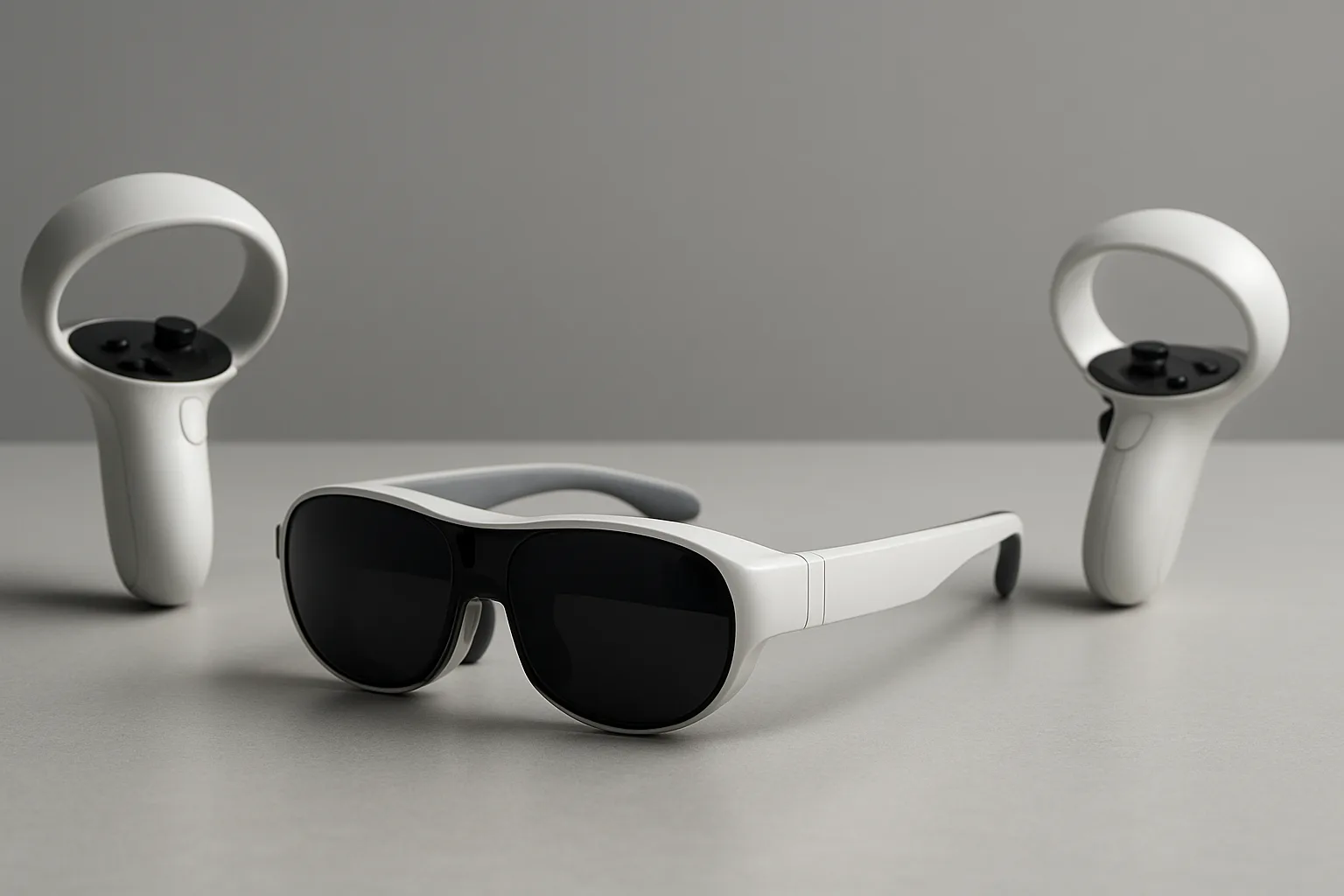
Right, this is interesting. XREAL has finally put some proper details on their AURA AR glasses – previously known as 'Project Aura' – and they're targeting a fall release window with a price that won't exceed $1,500 before tax. That's a significant step up from their current lineup like the Xreal One Pro, but we're talking about properly smart AR glasses here, not just displays you strap to your face.
The AURA is being built in collaboration with both Google and Qualcomm, which immediately tells you this isn't just another iteration of their existing tech. We're looking at one of the first proper spatial computing devices to hit the market that isn't either a full VR headset or Apple Vision Pro money. XREAL's been steadily building up their AR glasses range – the Xreal Air 2 Ultra showed they were getting more ambitious – but AURA is clearly meant to be their flagship product that competes in a different league entirely.
What Makes AURA Different
The big deal here is that XREAL is positioning this as a true AR device rather than just a portable screen solution. With Google and Qualcomm in the mix, you can expect proper spatial awareness, hand tracking, and the kind of features that make AR glasses actually useful beyond just watching Netflix on a plane. Qualcomm's involvement suggests we're getting their latest XR chipset, which means decent performance without your face melting off from heat.
The $1,500 price ceiling is clever positioning too. It's expensive enough to signal this is serious kit with proper tech inside, but it undercuts the Apple Vision Pro by a country mile. You're looking at less than half the price of Apple's spatial computer, which could make AURA the go-to option for people who want genuine AR capabilities without remortgaging their house.
Does It Actually Matter?
Here's my honest take: AR glasses have been promising the world for years and mostly delivering fancy screens. If XREAL can actually deliver spatial computing features that work reliably at this price point, it's a game-changer. The fall window gives them time to get it right, and the collaboration with Google suggests there'll be decent software support from day one.
The question is whether they can stick the landing. We've seen plenty of ambitious AR projects stumble at the final hurdle, and $1,500 is still serious money for most people. But if the AURA delivers even 70% of what Apple's doing at less than half the price, XREAL's onto something special. I'll be keeping a very close eye on this one as we head towards autumn.
Join the discussion below. Sign in to leave a comment or reply.
You need to be signed in before you can leave a comment or reply to the discussion.
Keep exploring
Explore topics →