Nvidia GeForce Now Brings 90fps Cloud Streaming to VR Headsets
Nvidia's GeForce Now now supports 90fps cloud streaming for VR headsets, making high-end PC VR gaming accessible without expensive hardware.

Right, this is proper exciting news for anyone who's been eyeing up PC VR gaming but doesn't fancy dropping a couple grand on a gaming rig. Nvidia's just announced that GeForce Now, their cloud gaming service, now supports 90fps streaming specifically optimized for VR headsets. Yeah, you read that right – proper PC VR games streamed directly to your headset without needing a beast of a computer sat in the corner.
What's Actually Changed?
Nvidia's GeForce Now has been around for a while, letting you stream PC games to various devices, but VR support has been a bit wonky until now. The big jump here is that 90fps streaming, which is absolutely crucial for VR. You can get away with 60fps on a flat screen, but in VR? That's a one-way ticket to feeling proper rough. The service now properly supports VR headsets with the frame rates they actually need, and they've also chucked in GOG integration alongside Steam, which means a wider library of games to tap into.
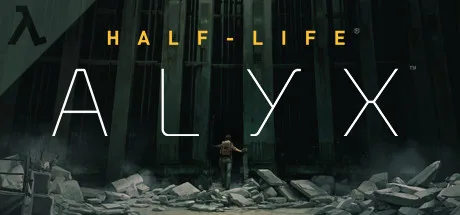
This matters because PC VR has always been the premium end of virtual reality – the place where you get the best graphics, the most immersive experiences, and games that just aren't possible on standalone headsets like the Meta Quest 3 or Oculus Quest 2. Problem is, you've needed a proper gaming PC to run that stuff, and those don't come cheap. GeForce Now basically removes that barrier – as long as you've got decent internet, you can stream Half-Life: Alyx or any other demanding PCVR title without the expensive hardware.
Does It Actually Work Though?
Now, I know what you're thinking – cloud gaming and VR sounds like a recipe for latency issues and motion sickness. And yeah, that's a fair concern. Cloud streaming for VR is proper demanding because you need low latency and high frame rates, or the whole experience falls apart. Nvidia reckons they've sorted it with their servers running RTX 4080-level hardware and optimized streaming tech. Whether that holds up in practice depends massively on your internet connection, but on paper, it's the right approach.
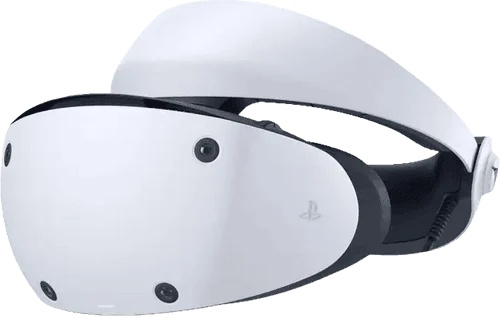
The potential here is massive, especially for people using headsets that support PC VR connectivity. You're essentially getting access to the full PCVR library without the hardware investment. It's not going to replace a local gaming PC for enthusiasts who want zero latency and maximum fidelity, but for folks who want to dip their toes into proper PC VR gaming? This could be a game-changer. It's similar to how PlayStation VR2 brought high-end VR to console players, except this is doing it through the cloud.
The Bigger Picture
This development is part of a wider trend we're seeing where VR is becoming more accessible. You don't necessarily need the most expensive kit anymore to get decent experiences. Whether it's standalone headsets getting more powerful, or services like GeForce Now bringing PC VR to the masses, the barriers to entry are coming down. That's genuinely good news for the industry, because VR needs more people in it to thrive. More players means more developers making games, which means better content for all of us.
If you've been holding off on PC VR because of the cost, this is worth checking out. Just make sure you've got a solid internet connection – I'd say at least 50Mbps download speed as a minimum, and ideally wired Ethernet rather than Wi-Fi. Cloud gaming lives and dies by your connection quality, and that's even more true when you're strapping a screen to your face.
Join the discussion below. Sign in to leave a comment or reply.
You need to be signed in before you can leave a comment or reply to the discussion.
Keep exploring
Explore topics →