Meta Quest 3 vs Pico 4 Ultra
Meta Quest 3 vs Pico 4 Ultra — Which VR Headset Should You Buy in 2026? (Complete Comparison & Buyer Guide)
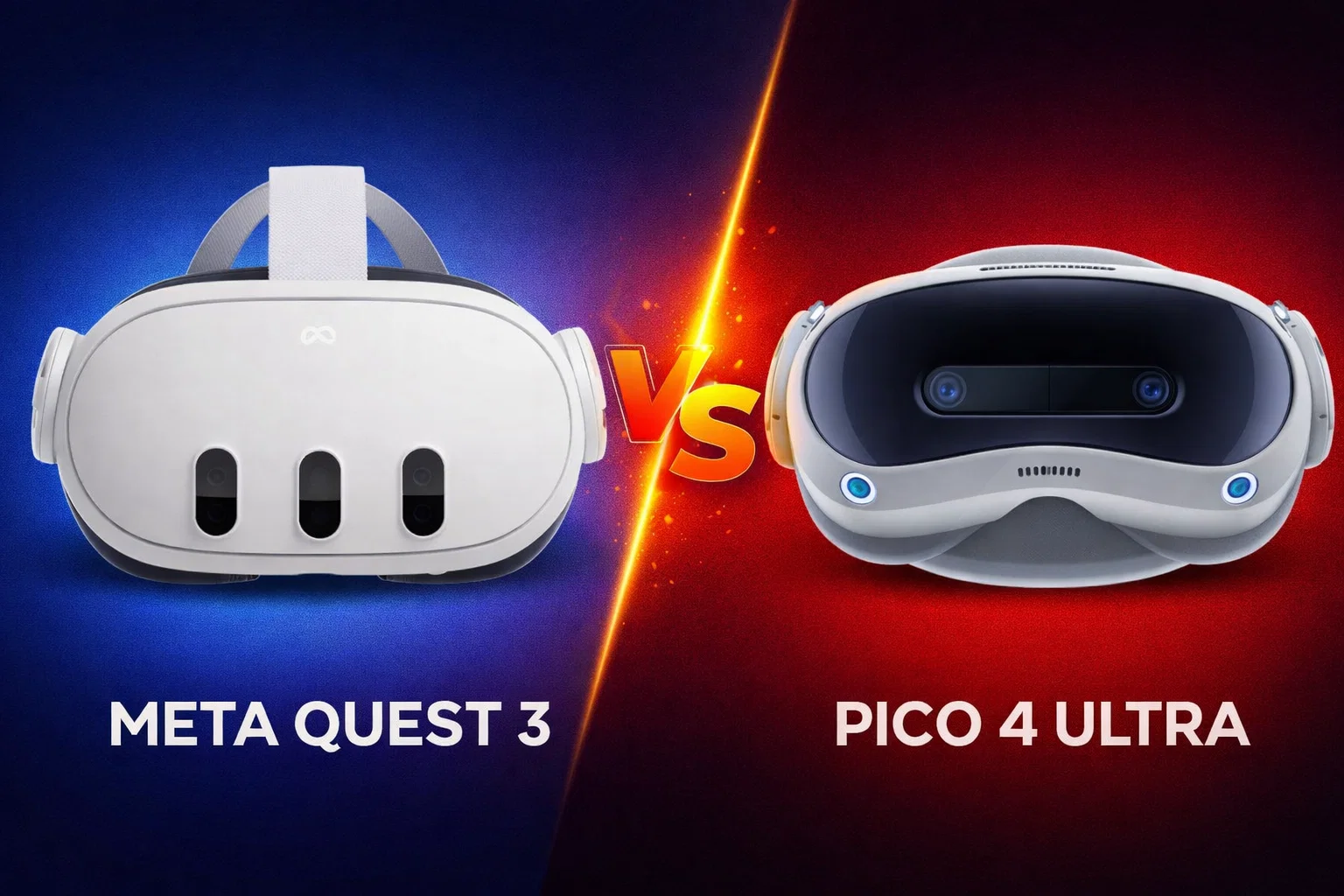
Meta Quest 3 vs Pico 4 Ultra — Which VR Headset Should You Buy?
Two of the most talked-about standalone VR headsets right now are the Meta Quest 3 and the Pico 4 Ultra. Both promise high-end visuals, smooth performance, and wireless freedom — but which one actually makes the most sense for you?
Virtual reality hardware has reached a point where buyers are genuinely spoiled for choice. Two of the most discussed standalone VR headsets available today are the Meta Quest 3 from :contentReference[oaicite:0]{index=0} and the Pico 4 Ultra from :contentReference[oaicite:1]{index=1}. Both aim to deliver high-resolution visuals, reliable tracking, and the freedom of wireless VR — but they approach the experience in very different ways.
If you’re trying to decide which headset is right for you, this guide breaks down everything that matters: comfort, visuals, performance, content libraries, PC VR support, fitness, mixed reality, and overall value. By the end, you should have a clear answer based on how you actually plan to use VR.
Design and Comfort
Comfort is one of the most important factors in VR, especially if you plan on playing for long sessions or using VR for fitness.
The Meta Quest 3 follows a familiar design philosophy, refining what Meta has built over several headset generations. It feels solid and well constructed, with soft padding and a balanced fit for most head shapes. Weight distribution is generally good, although some users may still notice mild front heaviness during extended sessions.
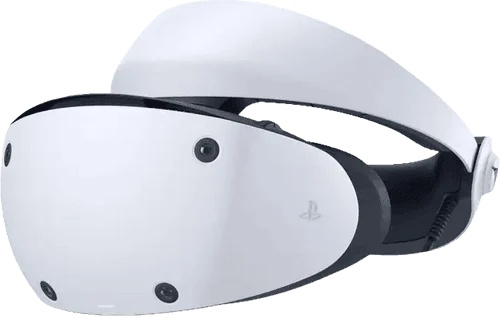
The Pico 4 Ultra takes a different approach by prioritising a lighter, slimmer form factor. It feels noticeably lighter on the face, which can make a real difference during long gaming or workout sessions. Heat management is also handled well, helping reduce discomfort over time. However, the default strap system may require adjustment to achieve the best fit.
Overall, the Pico 4 Ultra has a slight edge for long-term comfort, while the Quest 3 still delivers a premium and reliable fit.
Display and Visual Quality
Both headsets deliver impressive visuals, but there are subtle differences worth noting.
The Meta Quest 3 offers high-resolution displays with strong colour reproduction and contrast. Text is clear, environments are sharp, and games look excellent in both bright and dark scenes. High refresh rate support helps reduce motion sickness and improves overall smoothness.
The Pico 4 Ultra pushes visual clarity slightly further with a marginally higher native resolution per eye. This results in crisper visuals, particularly when reading text or viewing distant objects. Colours are vibrant, and the image remains sharp across a wide range of content.
Both headsets support refresh rates of up to 120Hz in supported content and provide a sufficiently wide field of view for immersion. If raw image clarity is your top priority, the Pico 4 Ultra has a small advantage, but the Quest 3 remains extremely competitive.
Tracking and Controllers
Tracking quality can make or break the VR experience, especially in fast-paced games.
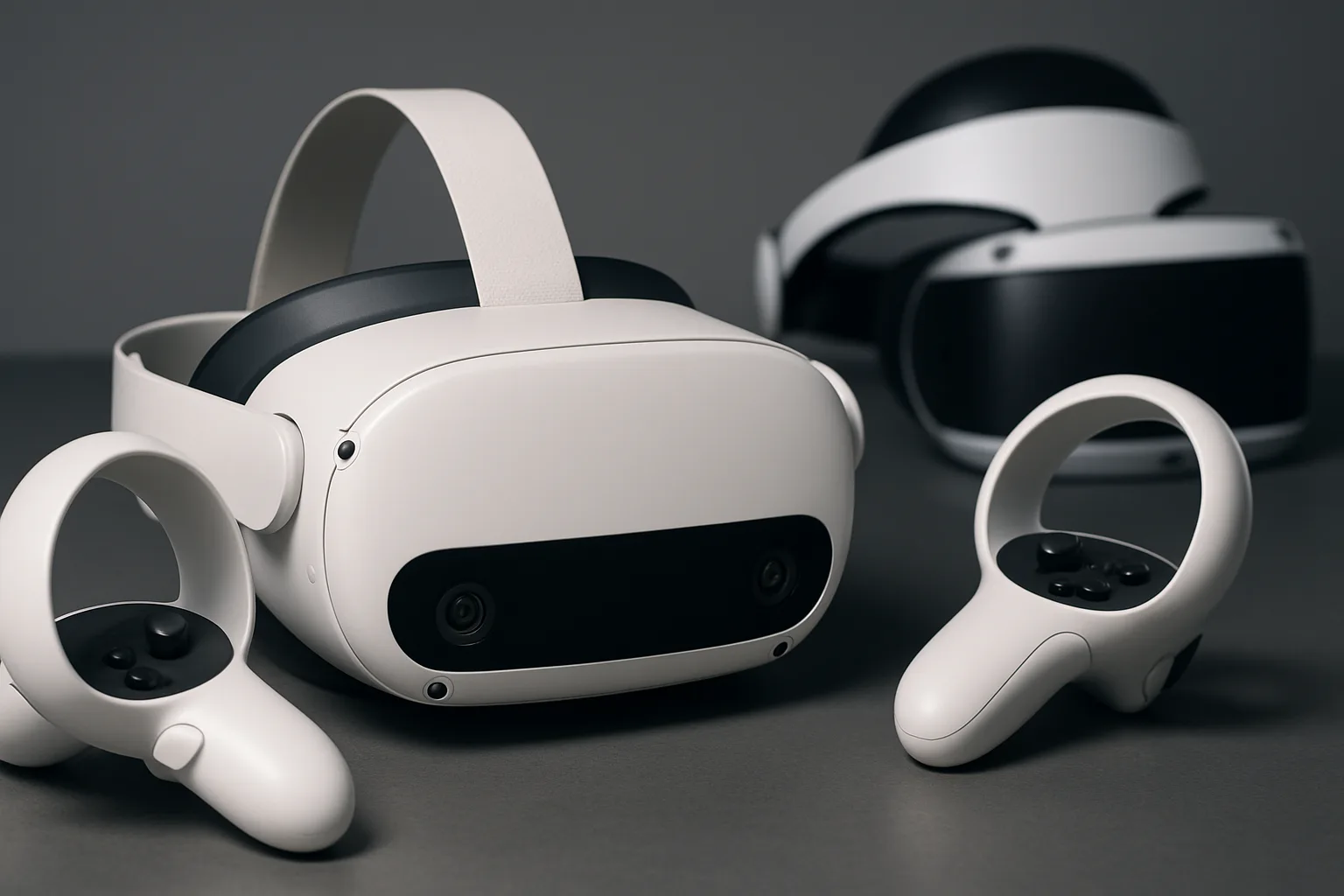
The Meta Quest 3 uses Meta’s mature inside-out tracking system, widely regarded as one of the most reliable on the market. Controller tracking is accurate and responsive, even during quick or complex movements. The Touch Plus controllers are comfortable to hold and feel natural during long sessions.
The Pico 4 Ultra also relies on inside-out tracking and has improved significantly compared to earlier Pico headsets. Tracking is stable in most situations, and the controllers perform well across casual and competitive games. While it may not quite match Meta’s tracking ecosystem in edge cases, it is more than sufficient for most users.
In everyday use, both headsets perform well, with the Quest 3 holding a slight advantage in controller ergonomics and long-term reliability.
Content Library and Ecosystem
This is where the biggest difference between the two headsets becomes clear.
The Meta Quest 3 benefits from years of ecosystem development. The Meta Quest Store offers a vast library of games and experiences, including rhythm games, fitness apps, social platforms, and major VR titles. Many high-profile VR games launch on Meta platforms first, and some remain exclusive.
Beyond gaming, Meta has invested heavily in social VR, productivity tools, and mixed reality experiences, making the Quest 3 feel like a full platform rather than just a gaming device.
The Pico 4 Ultra has a smaller but growing content library. It includes a solid selection of standalone VR titles, with new releases arriving steadily. However, it does not yet match the depth or variety of Meta’s ecosystem.
PC VR support helps close this gap for Pico users, but for standalone content alone, the Quest 3 is the clear winner.
PC VR Support
Both headsets can connect to a gaming PC, unlocking access to a much larger library of VR titles.
The Meta Quest 3 supports both wired and wireless PC VR through Meta Link and Air Link. These solutions are well integrated, easy to set up, and widely supported by the VR community.
The Pico 4 Ultra also supports wired and wireless PC VR streaming. While setup may require additional software or configuration, performance is generally very good once everything is running smoothly.
For PC VR-focused users, both headsets are strong options, with the Quest 3 offering a more streamlined experience.
Audio and Immersion
Neither headset replaces a dedicated pair of headphones, but both offer capable built-in audio.
The Meta Quest 3 delivers clear spatial audio that works well for gaming, media, and social experiences, while still allowing awareness of your surroundings.
The Pico 4 Ultra offers similar spatial audio quality. Some users may find it slightly punchier depending on content, but the difference is minimal.
For maximum immersion, external headphones remain the best option on both devices.
Fitness and Mixed Reality
VR fitness continues to grow in popularity, and both headsets support active experiences.
The Meta Quest 3 has a major advantage in fitness thanks to its extensive library of workout-focused apps and subscription services. Its mixed reality features also allow workouts that blend virtual elements with your real environment.
The Pico 4 Ultra supports fitness content and mixed reality as well, but the selection and software polish currently lag behind Meta’s ecosystem.
If fitness or mixed reality is a priority, the Quest 3 is the safer choice.
Price and Value
Pricing varies by region and promotions, but generally the Meta Quest 3 sits at a higher price point than the Pico 4 Ultra.
The Pico 4 Ultra often represents stronger upfront value, offering excellent visuals and comfort at a lower cost. The Quest 3 justifies its higher price through ecosystem depth, exclusive content, and long-term platform support.
Value ultimately depends on whether you prioritise content or hardware.
Which Headset Should You Buy?
Choose the Meta Quest 3 if you want the largest standalone VR content library, strong social and fitness features, polished mixed reality, and a platform that continues to receive major updates.
Choose the Pico 4 Ultra if you prioritise comfort, lightweight design, sharp visuals, and better upfront value — especially if you plan to rely heavily on PC VR.
Final Verdict
Both the Meta Quest 3 and Pico 4 Ultra are excellent VR headsets, and neither choice is a mistake. The Quest 3 is the better all-rounder, offering a richer ecosystem and broader appeal, while the Pico 4 Ultra excels in comfort and visual clarity at a more competitive price.
For most buyers — particularly newcomers to VR — the Meta Quest 3 is the easiest recommendation. For experienced users who value comfort, visuals, and cost efficiency, the Pico 4 Ultra remains a compelling alternative.
Comments
Join the discussion below. Sign in to leave a comment or reply.
You need to be signed in before you can leave a comment or reply to the discussion.
Keep exploring
Explore topics →