Meta's Muse AI Agent Coming Soon to Ray Ban Smart Glasses
Meta's advanced Muse AI agent will arrive on its smart glasses "soon", enabling hands free task execution without needing to reach for your phone.
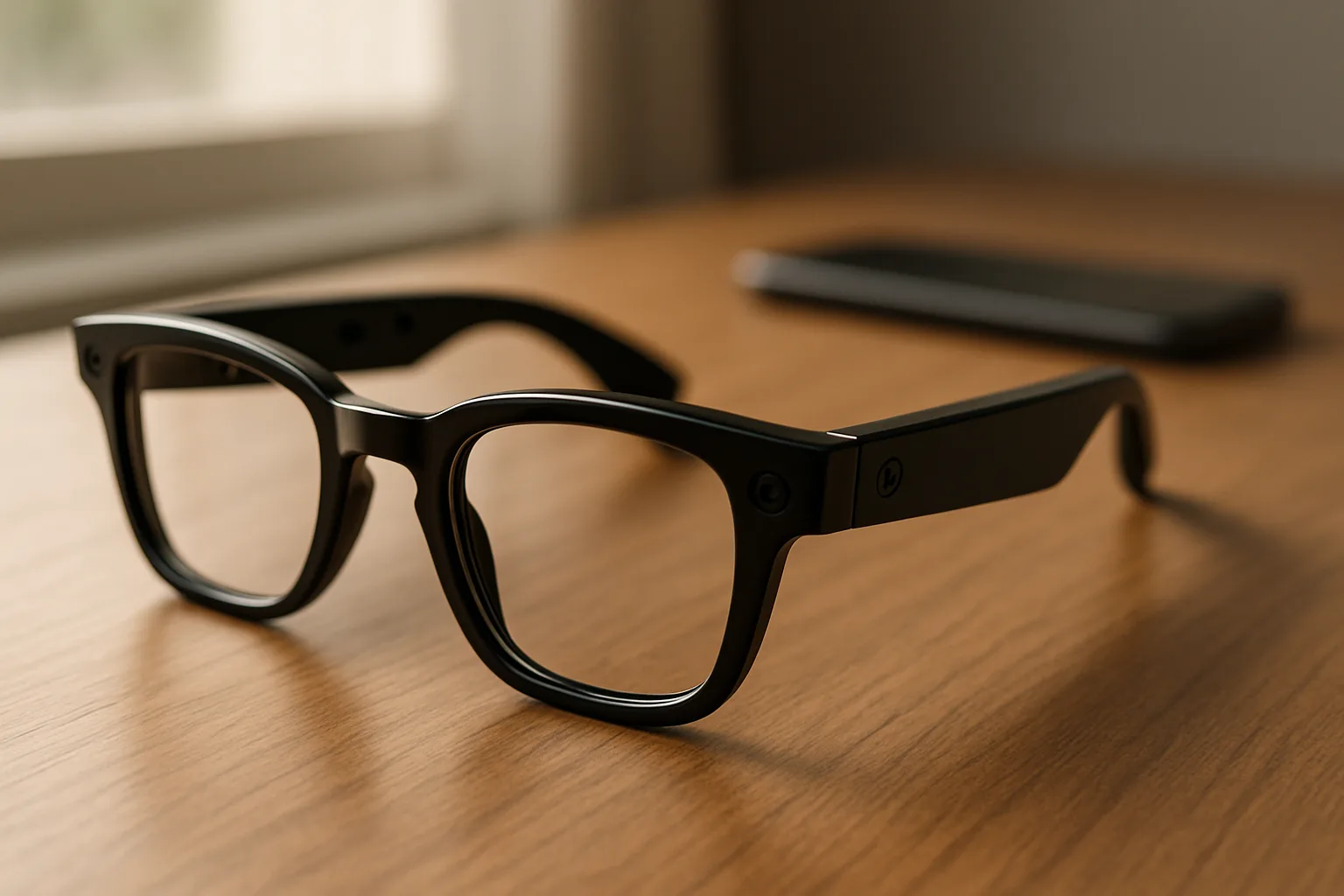
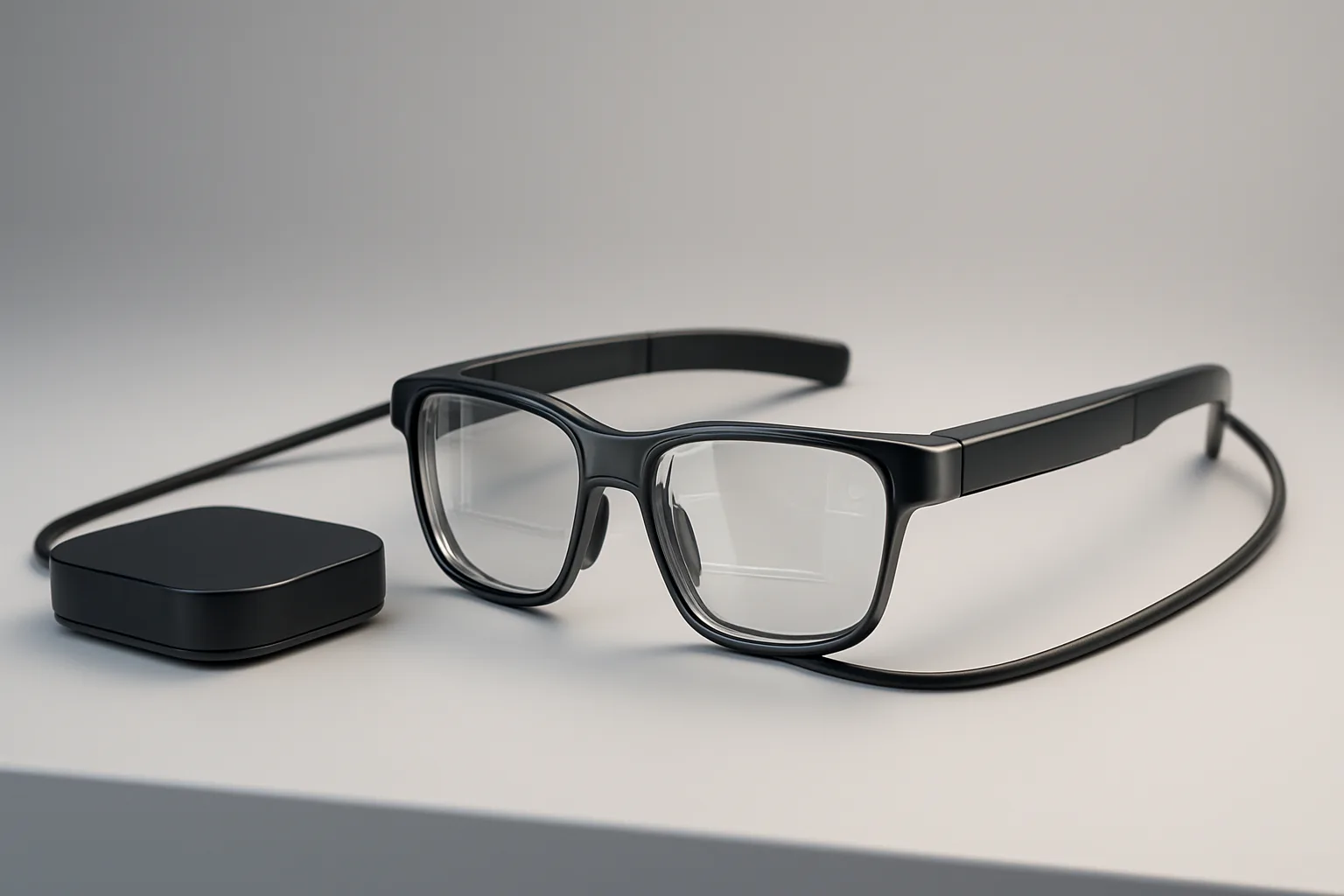
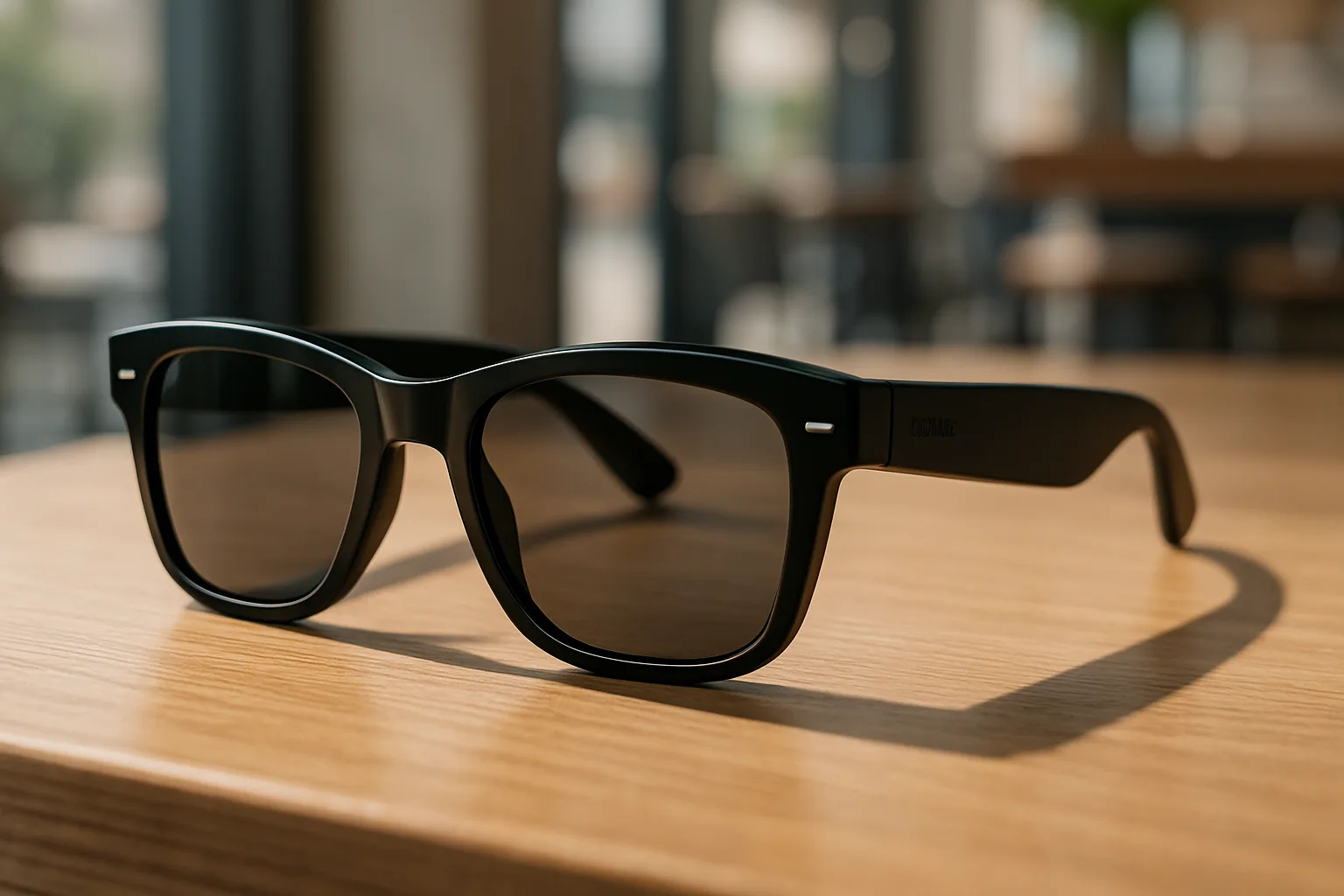
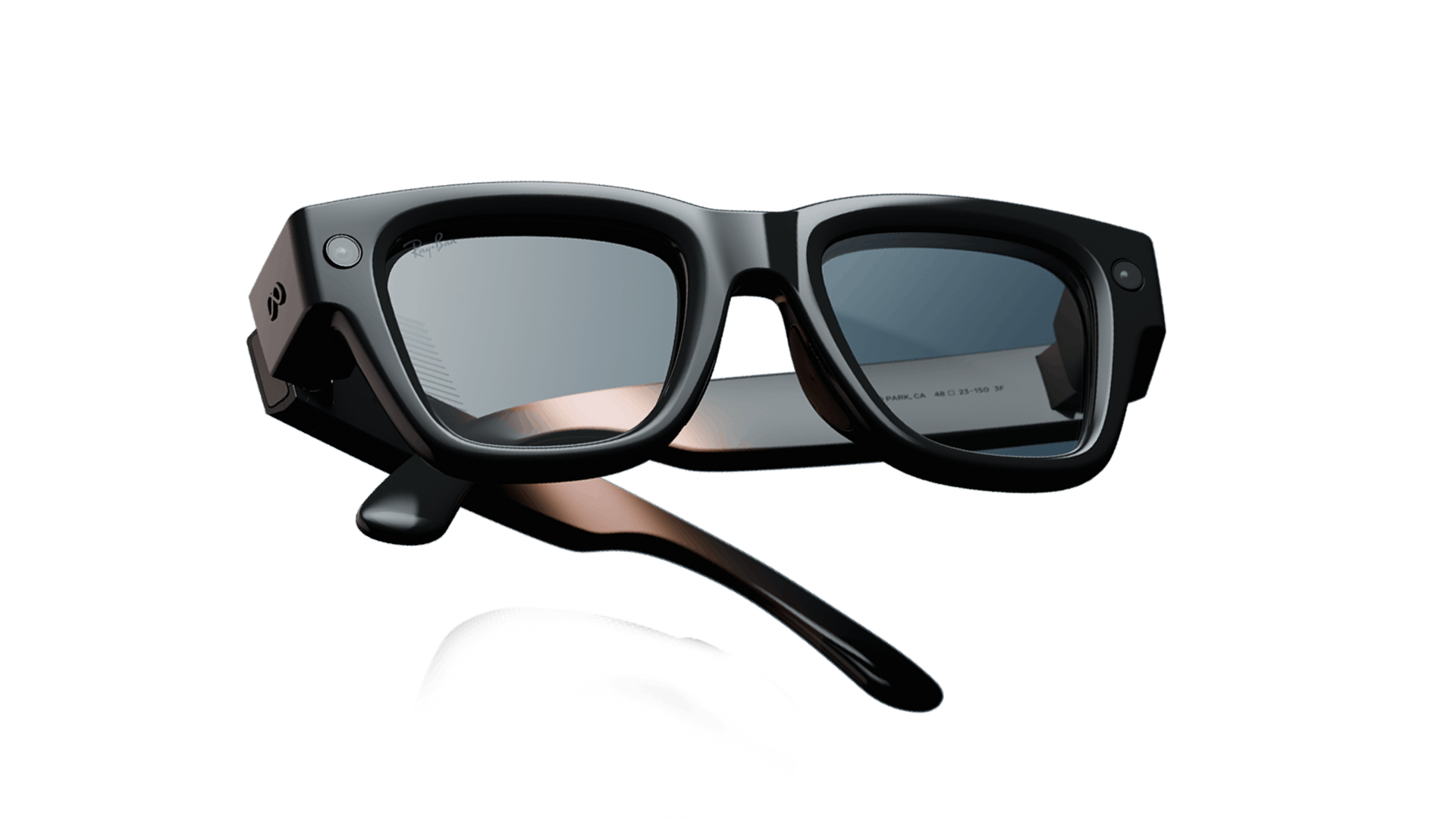
Meta has confirmed that its Muse AI agent will be rolling out to its smart glasses in the near future, marking a significant expansion of the wearable's artificial intelligence capabilities. The integration will allow users to request actions and tasks directly through the glasses, eliminating the need to retrieve their smartphone from a pocket or bag. While Meta has not provided a specific release date, the company has indicated the feature is coming "soon".
Muse represents a more advanced iteration of Meta's AI assistant technology, designed to move beyond simple voice commands and question answering to proactive task execution. Unlike traditional voice assistants that primarily respond to queries, Muse is engineered to take concrete actions on behalf of users, such as setting reminders, sending messages, controlling smart home devices, or retrieving contextual information based on what the wearer is looking at through the glasses' cameras.
Expanding Smart Glasses Functionality
The Ray Ban Meta smart glasses have already established themselves as one of the more successful consumer wearables in the augmented reality space, largely due to their conventional styling and practical features. The current generation includes cameras, speakers, and microphones that enable photo and video capture, audio playback, and basic voice assistant functionality. The addition of Muse represents a substantial leap in the device's utility, transforming it from a camera equipped audio accessory into a genuinely proactive AI companion.
This development positions Meta Ray Ban Display glasses as a more compelling alternative to smartphone interactions for certain tasks. By keeping the phone in the pocket and relying on voice commands through the glasses, users can maintain better awareness of their surroundings while still accessing digital services. The hands free nature of the interaction aligns with Meta's broader vision for wearable computing, where devices fade into the background while remaining constantly accessible.
AI Agent Evolution in Wearables
Meta's move to integrate Muse into its smart glasses reflects a wider industry trend towards embedding more sophisticated AI agents into wearable devices. Companies including Apple with its Vision Pro and various smart glasses manufacturers are racing to deliver AI capabilities that can anticipate user needs and execute tasks with minimal input. The competitive landscape has intensified as large language models and multimodal AI systems have become more powerful and efficient enough to run on edge devices or with minimal cloud dependency.
The timing of this announcement is notable, as it comes amid broader questions about the practicality and social acceptance of AI powered wearables. While some manufacturers have faced challenges with privacy concerns and limited functionality, Meta has taken a measured approach by building on the familiar Ray Ban form factor and gradually expanding capabilities. The introduction of Muse could serve as a litmus test for whether consumers are ready to embrace AI agents in their everyday eyewear.
Privacy and Implementation Questions
As with any camera equipped wearable that features AI processing, privacy considerations remain paramount. Meta has not yet detailed how Muse will handle data processing, whether it will rely primarily on cloud based processing or incorporate on device intelligence, and what safeguards will be in place to protect user privacy and the privacy of those around them. These questions will likely become more pressing as the feature nears its public release.
The integration also raises practical questions about battery life, processing capabilities, and the extent of actions Muse will be able to perform. Early reports suggest the AI agent will initially focus on smartphone related tasks, leveraging the Bluetooth connection between the glasses and the user's phone to execute commands. Over time, as the hardware and software mature, the scope of actions may expand to include more complex, multi step operations.
Meta's decision to bring Muse to its smart glasses represents a calculated step towards making AI agents a natural part of daily life. By embedding the technology in a wearable that users already find acceptable to wear in public, Meta is positioning itself at the forefront of ambient computing. Whether this approach resonates with consumers will depend largely on the quality of the implementation, the breadth of supported actions, and the company's ability to address legitimate privacy concerns. The "soon" timeline suggests Meta is confident in the technology's readiness, setting the stage for what could be a defining moment in the evolution of consumer smart glasses.
Join the discussion below. Sign in to leave a comment or reply.
You need to be signed in before you can leave a comment or reply to the discussion.
Keep exploring
Explore topics →