Meta Plans VR Glasses Strap Accessory for Active VR Gaming
Meta confirms it will sell a strap accessory for its VR Glasses to support more vigorous gaming sessions alongside hand tracking and Touch Plus controllers.
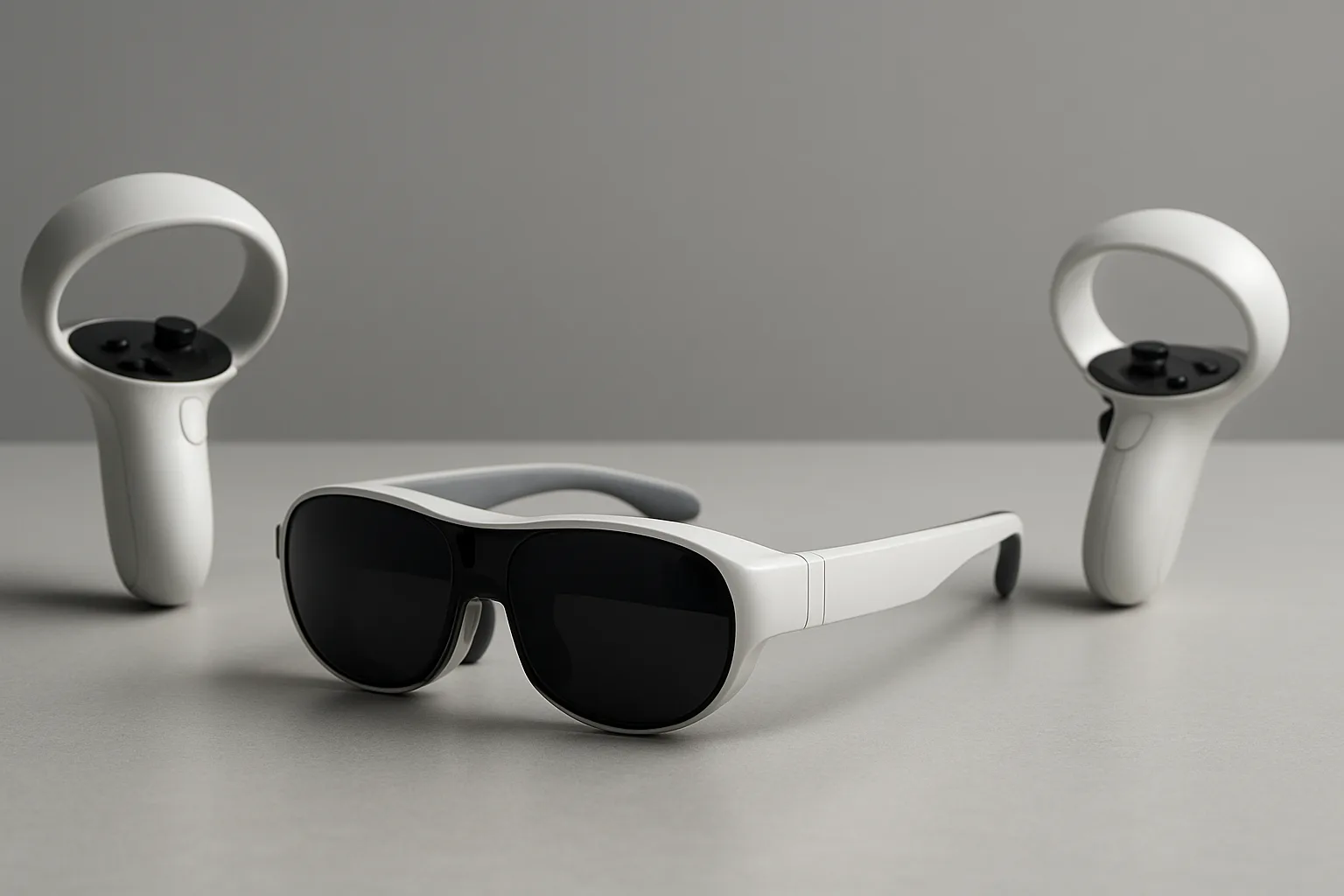
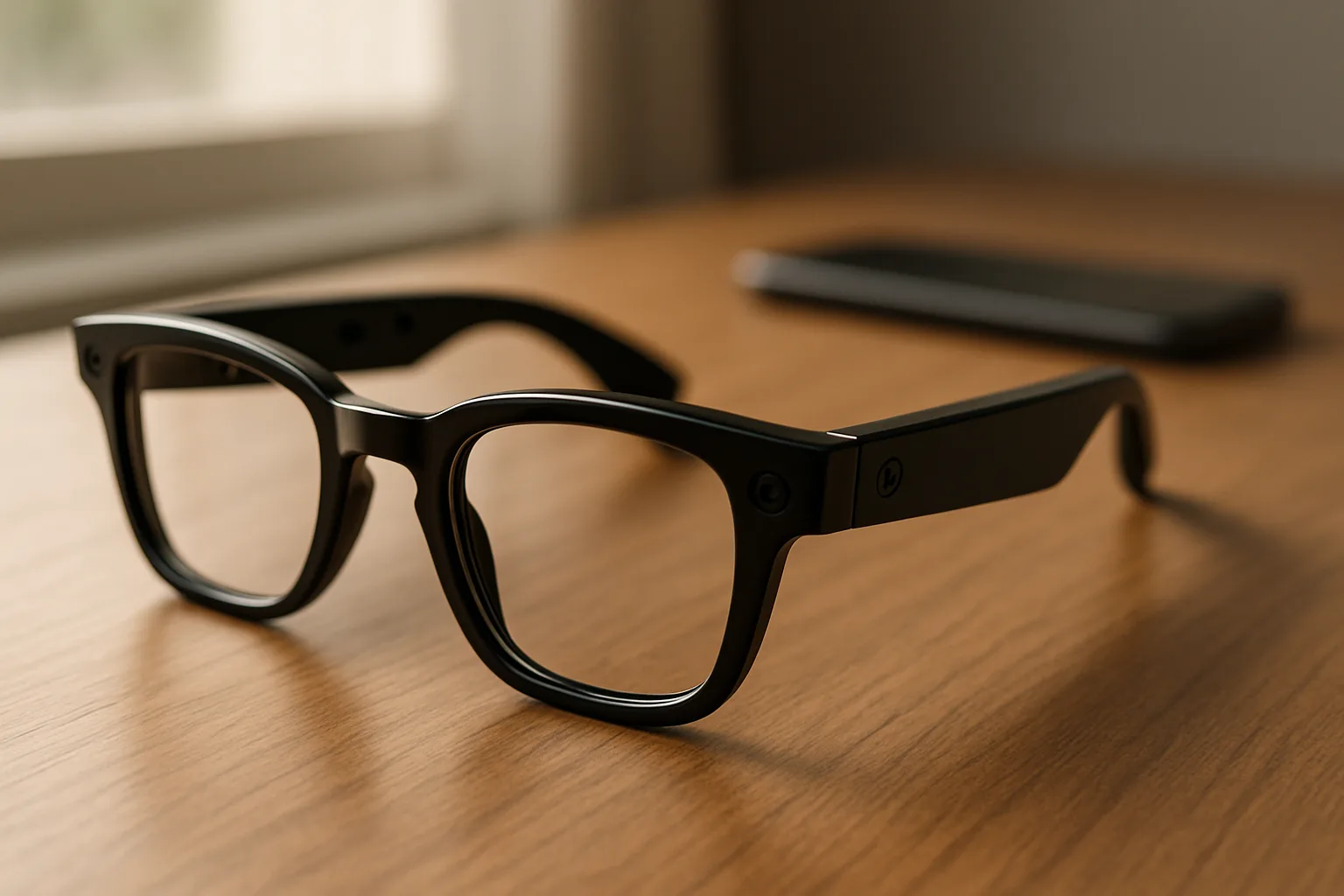
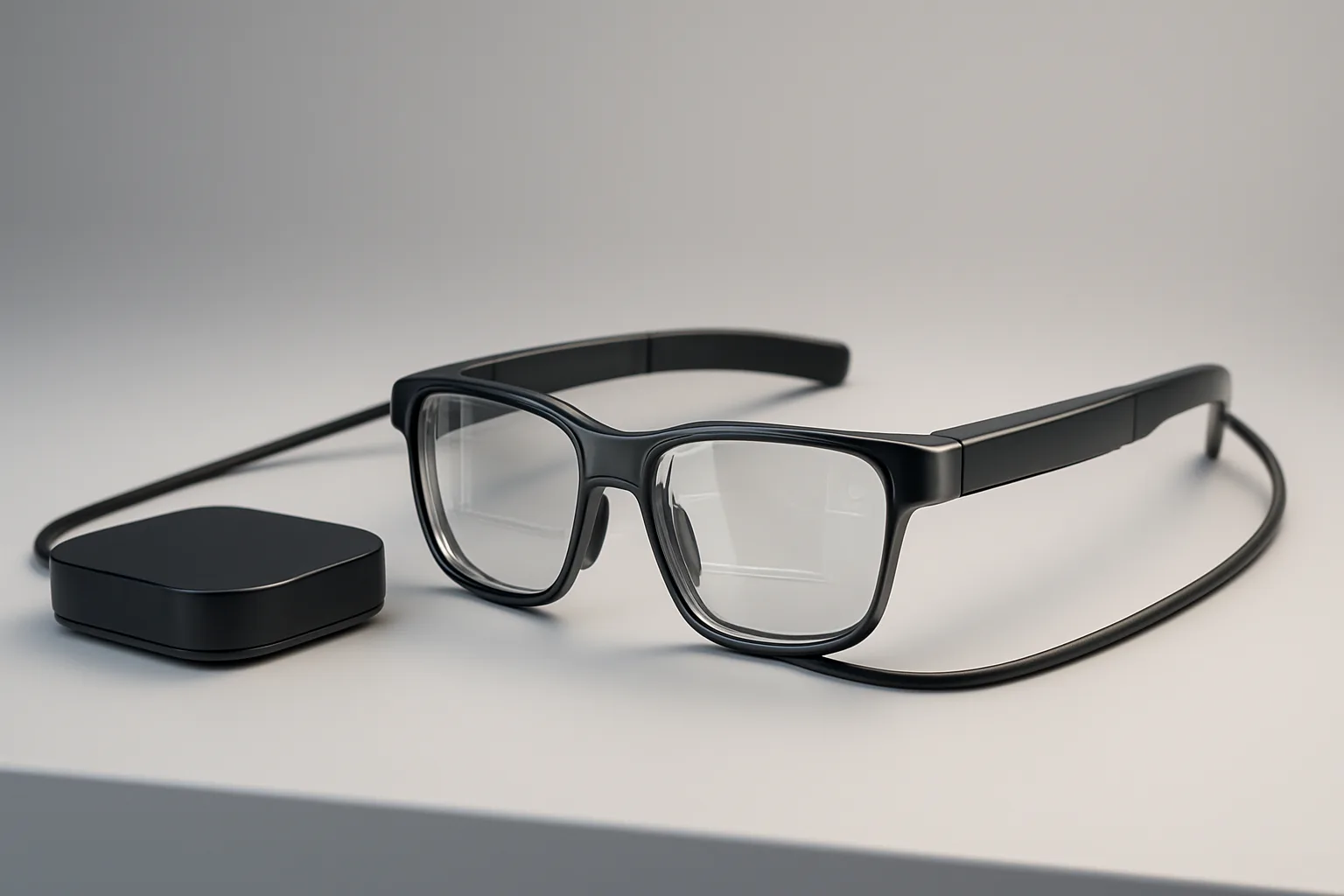
Meta has confirmed plans to release a dedicated strap accessory for its forthcoming VR Glasses, designed to provide additional stability for users engaging in more physically demanding virtual reality experiences. The announcement comes as part of the company's broader strategy to position its lightweight VR Glasses as a versatile device capable of handling the full spectrum of Quest content, from casual browsing to intensive gaming sessions.
The VR Glasses, unveiled alongside Meta's next generation XR headset, represent the company's attempt to deliver a more socially acceptable form factor for extended reality experiences. While designed to be lightweight and less obtrusive than traditional VR headsets, the device maintains full compatibility with the Quest ecosystem. Users will be able to access the entire Quest library through integrated hand tracking capabilities or by pairing the optional Touch Plus controllers, which offer familiar button and joystick inputs for more complex interactions.
Addressing Active Gaming Concerns
The planned strap accessory acknowledges a fundamental challenge facing the VR Glasses design. Whilst the lightweight form factor offers advantages for productivity tasks and casual media consumption, more vigorous gaming experiences require additional security to prevent the device from shifting or falling during rapid head movements. Meta has not yet released images or specifications for the accessory, leaving questions about its design approach and whether it will fundamentally alter the device's low profile aesthetic.
The need for such an accessory becomes particularly apparent when considering titles that involve significant physical movement. Games such as Pistol Whip, which combines rhythm gameplay with shooting mechanics, or Fitness VR, explicitly designed for exercise routines, demand stable head mounted displays that can withstand rapid movements without requiring constant readjustment. The strap accessory will presumably provide the additional retention force necessary for these experiences whilst remaining removable for situations where the glasses' minimal profile is preferred.
Market Positioning and Competition
Meta's approach contrasts with competing devices in the lightweight XR space, many of which prioritise either media consumption or productivity over gaming capabilities. The VR Glasses' dual mode design, offering both casual wear and secured active use, represents an attempt to capture multiple market segments with a single device platform. However, this strategy introduces complexity for consumers, who must now consider whether their intended use cases justify purchasing additional accessories beyond the base unit and optional controllers.
The accessory strategy also raises questions about pricing and value proposition. With the VR Glasses already positioned at a premium price point, additional required purchases for specific use cases could impact the device's competitiveness against more specialised alternatives. Meta has not announced pricing for either the strap accessory or the Touch Plus controllers, though both are expected to be sold separately rather than bundled with the base unit.
Implications for the Quest Ecosystem
The confirmation of an active gaming strap suggests Meta remains committed to positioning the VR Glasses as a legitimate gaming platform rather than merely a media consumption device. This commitment carries implications for developers, who can design experiences knowing that users will have access to secure mounting options for more demanding titles. It also indicates Meta's confidence that the device's display specifications and processing capabilities, whether tethered or standalone, can deliver experiences comparable to dedicated VR headsets despite the reduced form factor.
Meta's willingness to fragment its product line with optional accessories reflects broader industry trends towards modular XR systems. Rather than offering a single configuration optimised for all use cases, manufacturers increasingly allow users to customise their devices based on specific needs. This approach may prove essential for VR Glasses adoption, as different user segments prioritise vastly different features, from minimal social visibility to maximum gaming performance.
The VR Glasses strap accessory remains undocumented in terms of visual design or release timeline, though Meta has confirmed its intention to make the product available. As the company approaches the device's launch, further details about both the accessory and the broader VR Glasses ecosystem should emerge. For now, the announcement serves as reassurance that Meta recognises the diverse requirements of its user base and intends to support active gaming experiences alongside the device's more casual applications.
Join the discussion below. Sign in to leave a comment or reply.
You need to be signed in before you can leave a comment or reply to the discussion.
Keep exploring
Explore topics →