Apple Vision Pro Finally Gets Third-Party Motion Controllers in visionOS 2.7
Apple opens Vision Pro to tracked controllers and accessories, potentially transforming how developers build VR experiences for the headset.
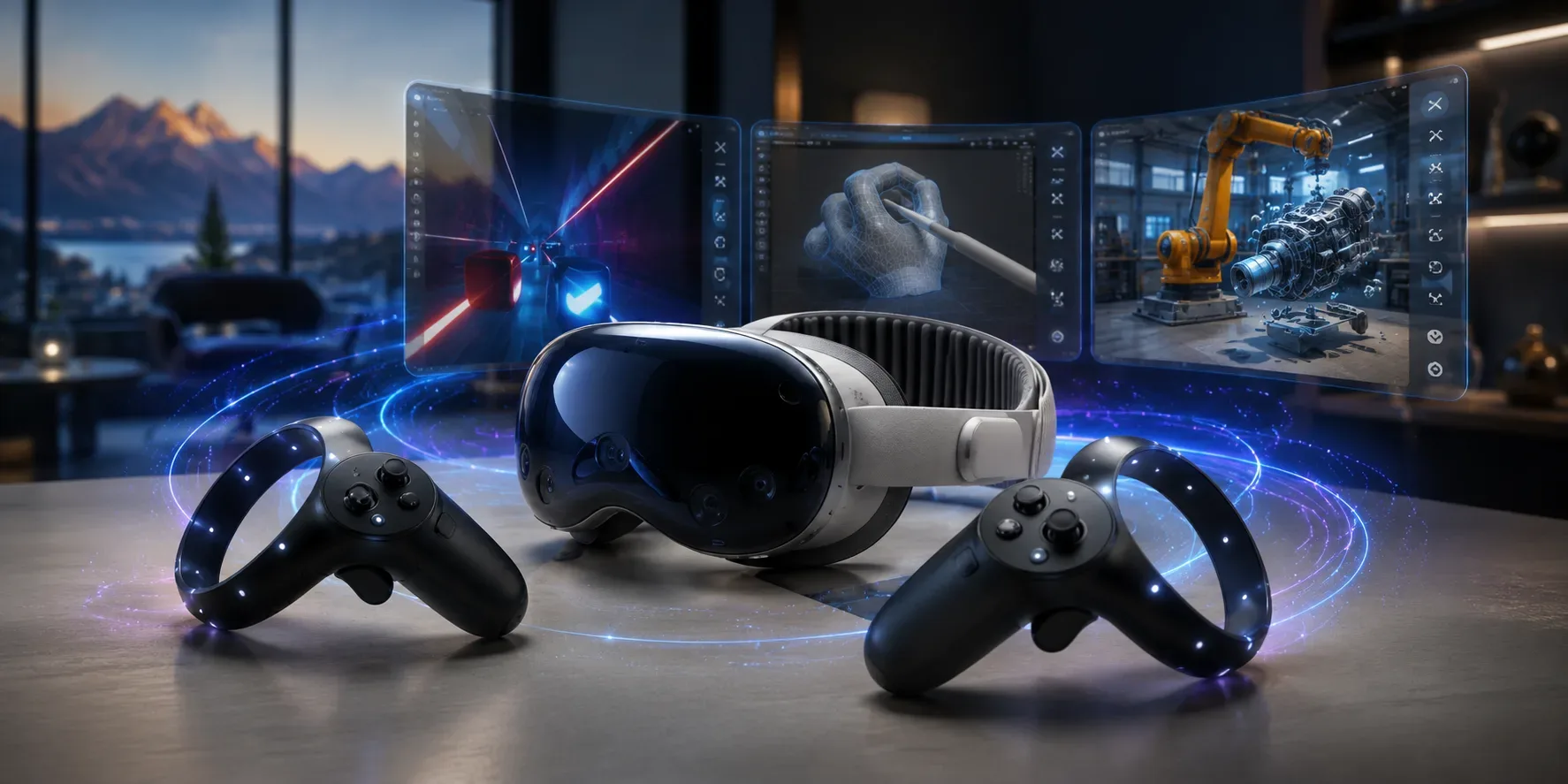
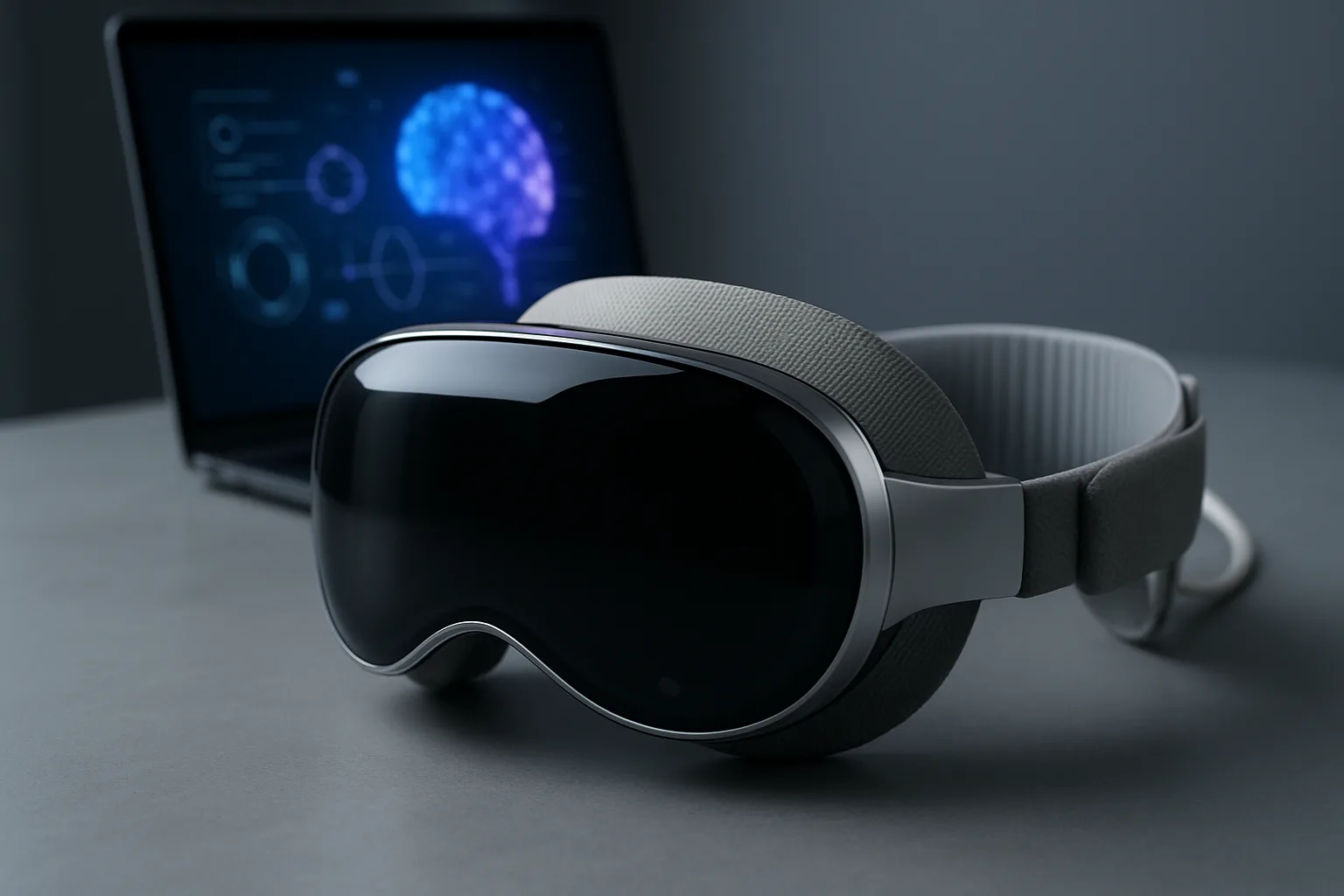
Right, this is a big one for Vision Pro. Apple's just rolled out visionOS 2.7 to developers, and tucked inside is support for third-party tracked motion controllers and accessories. Yes, you read that right—Apple Vision Pro can now work with proper VR controllers, not just hand tracking and those little pinch gestures.
What's Actually Changed
Until now, Vision Pro has been all about hand tracking and eye control. Brilliant tech, no doubt, but if you've ever tried playing a fast-paced VR game with just your hands, you'll know it's not always the one. With visionOS 2.7, Apple's opened up their ARKit framework to support 'actively-tracked accessories'—basically anything that can be precisely tracked in 3D space. Think motion controllers like what you'd use with a Meta Quest 3, but also things like tracked gloves, props, or even specialist tools for training applications.
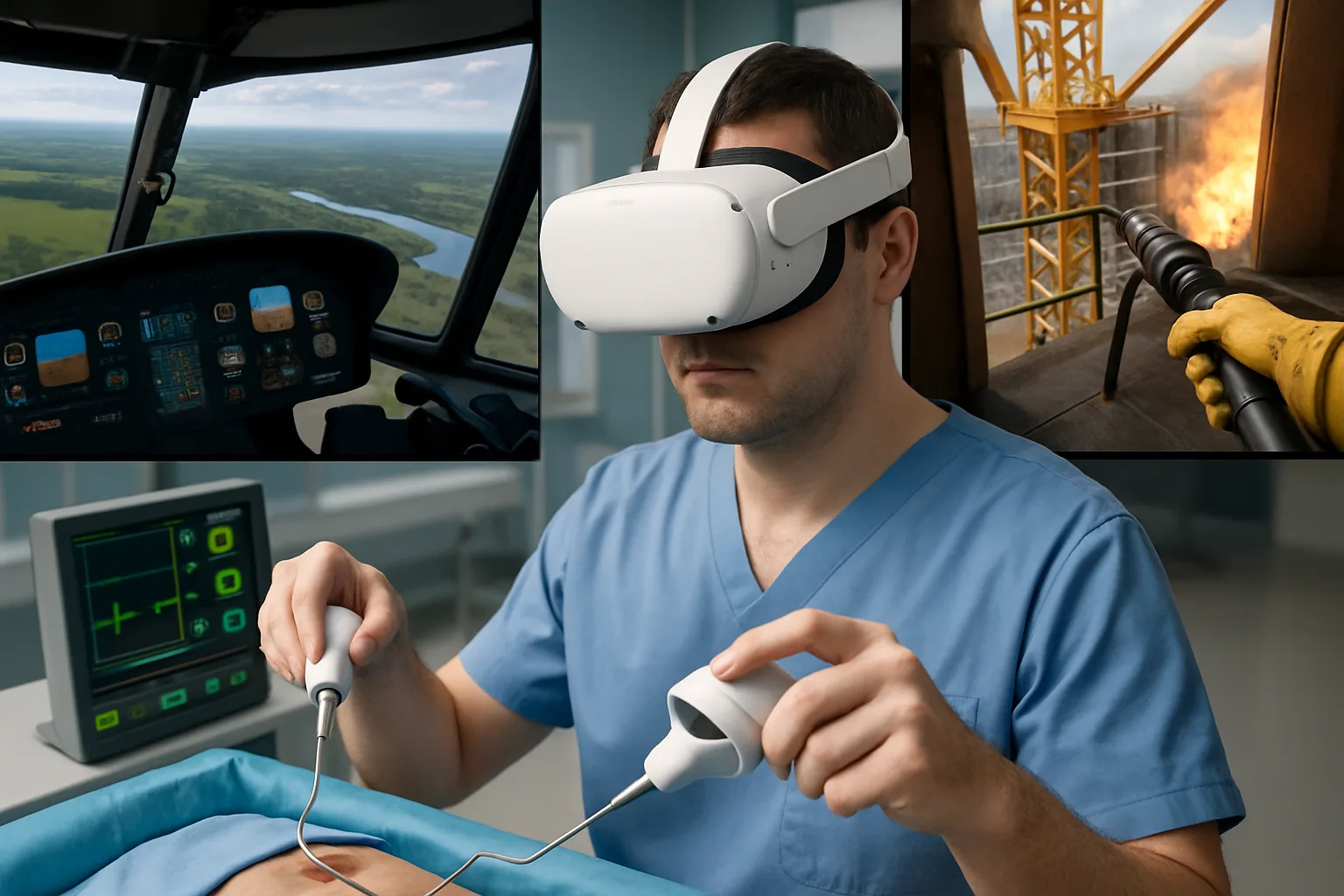
The technical bit: these accessories will use Apple's existing spatial tracking system, which means they'll integrate with the headset's cameras and sensors to maintain accurate positioning. Developers can now build experiences that require physical buttons, triggers, and haptic feedback—all the stuff that makes VR gaming and professional applications feel properly responsive. This isn't just about gaming either; think medical training with tracked surgical instruments, or industrial design with haptic sculpting tools.
Why This Actually Matters
Here's the thing—Vision Pro launched as this premium spatial computer focused on productivity and entertainment, but it's been missing a trick when it comes to proper VR experiences. Hand tracking is lovely for browsing or watching films, but try playing Beat Saber or doing precision work and you'll want something more tangible. By opening this up to third parties, Apple's basically admitting what we've known all along: sometimes you just need a bloody controller.
This also levels the playing field a bit with competitors. The Meta Quest Pro and Quest 3 have had excellent tracked controllers from day one, and that's been a key advantage for VR gaming and certain professional applications. Now Vision Pro can potentially match that, whilst still offering Apple's superior passthrough and display quality. The question is whether third-party manufacturers will actually jump in and build these accessories, or if Apple's got something up their sleeve for WWDC.
What Happens Next
The developer release means we probably won't see consumer-ready products immediately, but expect announcements soon. Companies that already make VR peripherals will be looking at this closely—there's definitely a market for premium accessories that match Vision Pro's price point and build quality. Whether Apple releases their own first-party controllers remains to be seen, but honestly, this move suggests they're happy letting others do the heavy lifting whilst they focus on the platform.
For anyone who's been on the fence about Vision Pro because of the control limitations, this changes the equation. Not overnight, mind you—we need to see what actually ships—but the potential is there for Vision Pro to become a properly versatile VR headset, not just a fancy spatial computer for watching Disney+ in your living room.
Join the discussion below. Sign in to leave a comment or reply.
You need to be signed in before you can leave a comment or reply to the discussion.
Keep exploring
Explore topics →