Apple Launches visionOS 2.7 for Vision Pro with Enhanced Siri AI Features
Apple has released visionOS 2.7 for Vision Pro headsets, introducing improved Siri AI capabilities and numerous system refinements for the spatial computing platform.
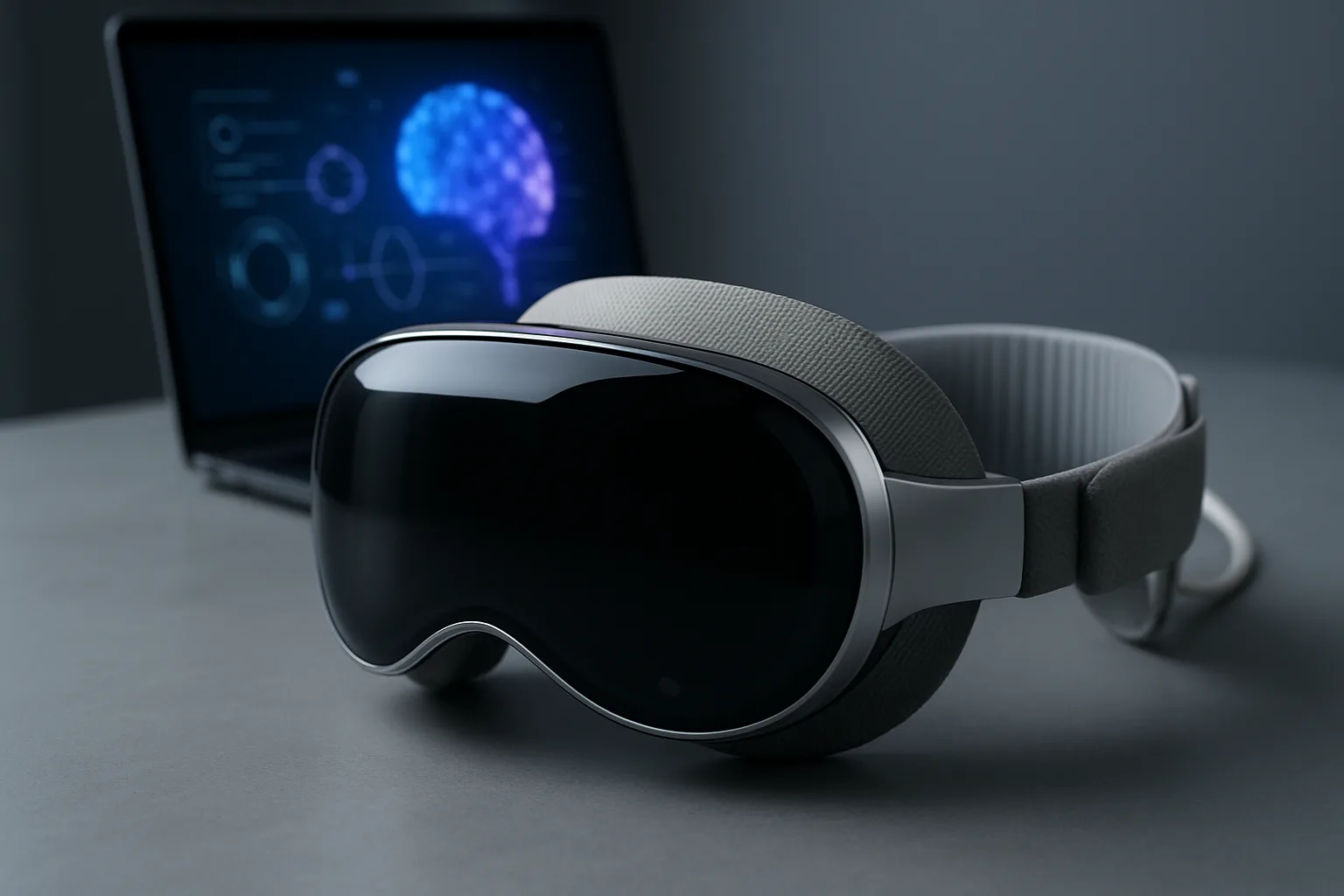
Apple has officially released visionOS 2.7 for its Apple Vision Pro headset this week, marking a significant update to the spatial computing platform's operating system. The update brings enhanced artificial intelligence capabilities through an upgraded Siri experience, alongside a comprehensive array of system improvements and feature refinements that further establish the company's position in the premium mixed reality market.
Advanced Siri Integration and AI Enhancements
The headline feature of visionOS 2.7 centres on substantial improvements to Siri functionality within the Vision Pro environment. Apple has refined the voice assistant's spatial awareness capabilities, allowing users to interact more naturally with their virtual workspace through voice commands. The updated Siri implementation now demonstrates improved contextual understanding when users reference on screen elements, making it considerably more intuitive to control applications and navigate the interface without relying solely on hand gestures or eye tracking. This development represents a meaningful step towards more seamless hands free interaction, particularly beneficial for productivity scenarios where users may be multitasking across multiple virtual windows.
The AI enhancements extend beyond basic voice recognition, with Siri now offering more sophisticated responses to queries about spatial content and mixed reality environments. Apple has reportedly optimized the assistant's ability to provide relevant information about virtual objects positioned within the user's field of view, though the company has characteristically refrained from detailing the underlying machine learning architectures powering these improvements. Industry observers suggest these refinements may lay groundwork for more ambitious AI features anticipated in future visionOS iterations.
System Performance and Interface Refinements
Beyond the headline AI features, visionOS 2.7 delivers numerous under the hood optimizations aimed at improving overall system stability and performance. Apple has addressed several issues related to app switching and multitasking efficiency, with users reporting smoother transitions between applications and more consistent frame rates during demanding spatial computing tasks. The update also includes refinements to the passthrough video quality, particularly in challenging lighting conditions, though substantive improvements to the fundamental passthrough experience remain an area where competitors like Meta's Quest lineup continue to close the gap.
The update brings additional polish to Safari's spatial browsing experience, improved compatibility with certain third party applications, and enhanced support for Bluetooth peripherals including keyboards and trackpads. Apple has also refined the virtual keyboard implementation, addressing feedback from early adopters regarding text input efficiency in mixed reality environments. These incremental improvements, whilst individually modest, collectively contribute to a more refined user experience that demonstrates Apple's commitment to iterative enhancement of its fledgling platform.
Broader Context and Market Implications
The release of visionOS 2.7 arrives at a pivotal moment for Apple's spatial computing ambitions. With the Vision Pro having launched in the United States in early 2024 and subsequently expanding to additional markets, the company faces ongoing scrutiny regarding the headset's adoption trajectory and developer ecosystem growth. Regular software updates like this release are essential for maintaining momentum and demonstrating active platform development to both consumers and content creators. The emphasis on AI capabilities aligns with broader industry trends, as competitors including Meta continue investing heavily in artificial intelligence integration across their respective VR and mixed reality offerings.
Apple's methodical approach to visionOS development stands in contrast to the more rapid iteration cycles seen with platforms like Meta's Quest ecosystem. This measured strategy reflects both the premium positioning of the Vision Pro hardware and Apple's traditional emphasis on polish over feature velocity. Nevertheless, the company must balance this approach against the need to maintain developer interest and justify the substantial investment required to enter the Vision Pro ecosystem, particularly as alternative headsets offer compelling experiences at significantly lower price points.
Installation and Availability
The visionOS 2.7 update is available immediately to all Vision Pro owners through the standard system update mechanism. Users can access the update by navigating to Settings, selecting General, and then Software Update. Apple recommends ensuring the headset has adequate battery charge or remains connected to power during the installation process, which typically requires approximately 15 to 20 minutes depending on network conditions. The update file size is reported at roughly 2.3 gigabytes, though this may vary based on the previous software version installed.
Apple has confirmed that visionOS 2.7 maintains full compatibility with existing Vision Pro applications whilst introducing new APIs for developers to leverage the enhanced Siri capabilities in their own titles. Documentation for these new programming interfaces has been made available through Apple's developer portal, suggesting that third party applications incorporating the improved AI features may begin appearing in the coming months.
The visionOS 2.7 update represents a solid incremental improvement to Apple's spatial computing platform, with the enhanced Siri integration offering tangible benefits for productivity focused users. Whilst it may not constitute a transformative release, the update demonstrates Apple's ongoing refinement of the Vision Pro experience and signals the company's continued investment in artificial intelligence as a core differentiator. As the broader mixed reality market continues evolving, these regular enhancements will prove crucial to maintaining the Vision Pro's competitive positioning against an increasingly sophisticated field of alternatives.
Join the discussion below. Sign in to leave a comment or reply.
You need to be signed in before you can leave a comment or reply to the discussion.
Keep exploring
Explore topics →