Project Phoenix: Everything We Know So Far About Meta's Next Headset
Here's everything we know (so far) about Project Phoenix, Meta's next headset that could shake up the VR landscape once again.
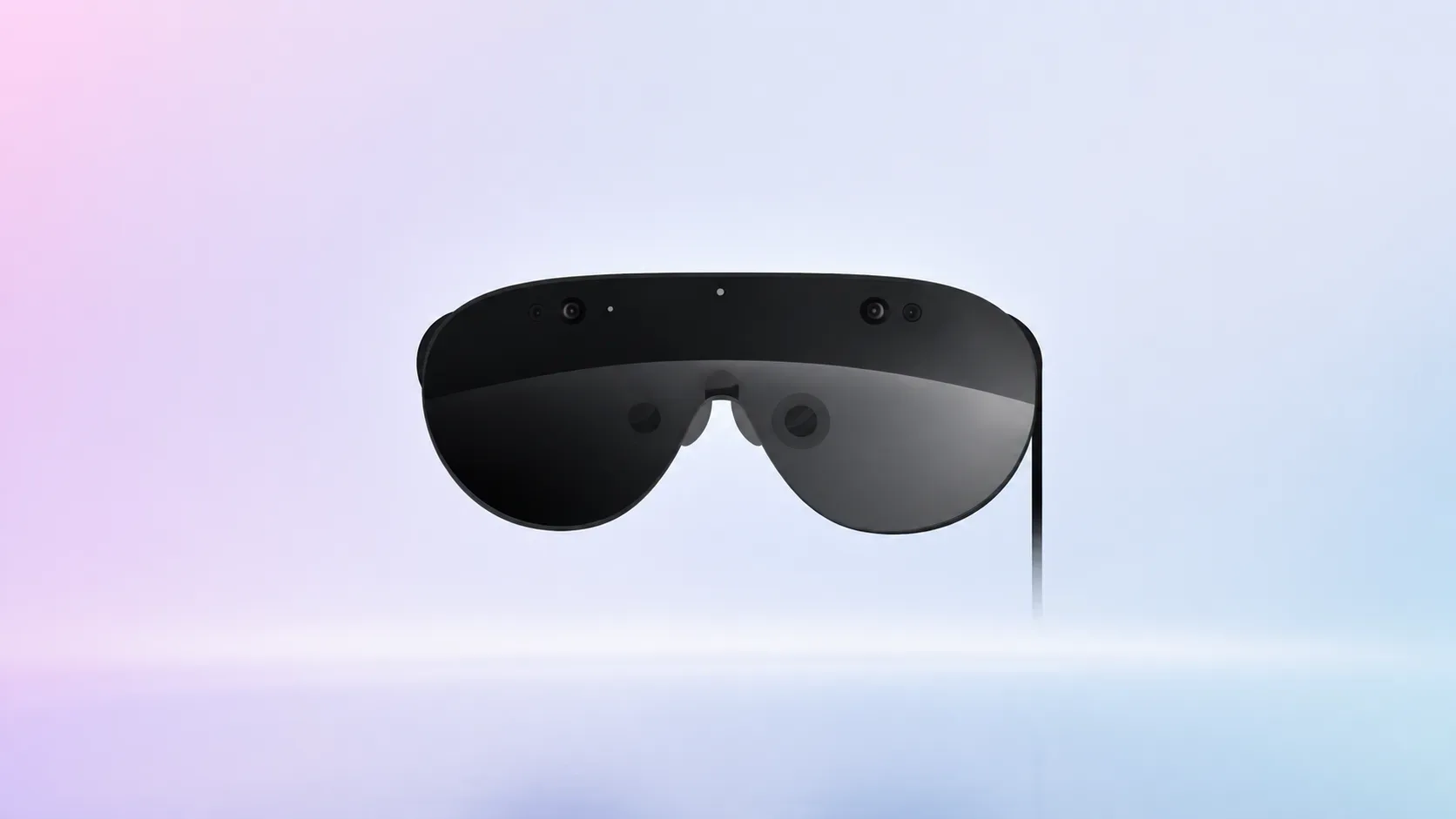
Right, let's talk about Project Phoenix – Meta's latest bit of hardware that's been doing the rounds in leaks and rumours. If you're wondering what Meta's cooking up after the Quest 3, you're in the right place. Here's everything we know so far about what could be Meta's next big move in the VR space.
What Actually Is Project Phoenix?
Project Phoenix is the internal codename for what appears to be Meta's next standalone VR headset, positioned somewhere between the Quest 3 and the higher-end devices. According to multiple sources and leaked reports, this isn't meant to replace the Quest 3 – instead, it's looking like a different approach entirely. The word on the street is that Phoenix is being designed as a more affordable, lighter option that strips away some features to hit a lower price point whilst still delivering a solid VR experience.
We're talking about a headset that could potentially ditch the passthrough cameras or reduce their quality, slim down the processing power slightly, and generally make some compromises to keep costs down. Think of it as Meta's answer to the question: "What if we made VR even more accessible?" It's a smart play, honestly, because not everyone needs all the bells and whistles of mixed reality or the absolute cutting-edge specs.
The Specs and Features (What We Think We Know)
Now, take all of this with a pinch of salt because Meta hasn't officially confirmed any of this yet, but here's what the leaks suggest. Project Phoenix is reportedly using a simplified optical system compared to the Quest 3's pancake lenses, potentially reverting to fresnel lenses to cut costs. The display resolution might take a slight hit too, though it's expected to still be a significant step up from the original Quest 2.
Processing power is likely to come from a Snapdragon chip, possibly the same XR2 Gen 2 found in the Quest 3 or a slightly tweaked variant. The big question mark is around controllers – some reports suggest Phoenix might ship with the existing Quest Touch controllers or a simplified version, whilst others hint at hand-tracking being pushed as the primary input method to save even more on manufacturing costs.
Battery life and weight are apparently key focus areas. Meta's been getting stick for years about headset comfort, so if Phoenix can come in lighter than the Quest 3 whilst maintaining decent battery performance, that's a win in my book. There's also chatter about it being compatible with existing Quest accessories like the Elite strap, which would be sensible from both a user and ecosystem perspective.
When Can We Expect It?
Timing is always tricky with these things, isn't it? The current speculation points to a potential reveal sometime in 2025, possibly at Meta Connect later this year. Production timelines suggest we might see it hit shelves in late 2025 or early 2026, but Meta's been known to shift launch dates based on market conditions and production realities.
What's interesting is that this timeline would put Phoenix about two years after the Quest 3's launch, which fits Meta's historical release cadence. They're clearly not trying to rush this one out the door, which hopefully means they're taking the time to get it right rather than just shipping another half-baked product.
Why Does Project Phoenix Matter?
Here's the thing – and this is the bit that actually matters for VR as a whole – Project Phoenix could be the headset that finally cracks the mainstream market. The Quest 3 is brilliant, don't get me wrong, but at its current price point it's still a luxury purchase for most people. If Meta can deliver a headset that plays all the same games, runs the same apps, and costs significantly less, that's huge for VR adoption.
We've seen this playbook before with the Quest 2, which absolutely dominated the market by being "good enough" at a price people could justify. Phoenix seems to be doubling down on that strategy. Strip away the features most casual users don't care about (do you really need full-colour passthrough if you're just playing Pistol Whip or other Quest games in your living room?), keep the core VR experience intact, and sell it for less. It's not rocket science, but it's effective.
The Lordsi Take
Look, I'm cautiously optimistic about Project Phoenix. Meta's track record with Quest headsets has been pretty solid overall – they've genuinely moved VR forward and made it accessible to normal people, not just tech enthusiasts with deep pockets. If Phoenix can hit that sweet spot of "cheap enough to take a punt on" whilst still delivering a proper VR experience, it could bring in a whole new wave of users.
That said, I do worry about corners being cut in the wrong places. VR is already a tough sell for some people – the last thing we need is a budget headset that compromises so much on quality that it puts people off VR entirely. Meta needs to be smart about what they trim and what they keep. Get it right, and Phoenix could be massive. Get it wrong, and it'll just be another forgotten headset gathering dust.
The other thing to watch is how this affects the broader Meta ecosystem. Will developers need to optimise specifically for Phoenix's potentially lower specs? Will it fragment the Quest user base? These are questions we won't have answers to until we see the actual hardware and hear Meta's positioning strategy.
What Happens Next?
For now, we wait. Meta's keeping their cards close to their chest, which is fair enough given how competitive the VR space has become with players like the Apple Vision Pro, PlayStation VR2, and various PC VR options all vying for attention. When official details do drop, you can bet we'll be all over it here at LordsiVR with the full breakdown.
The smart money says we'll see more leaks and rumours in the coming months as production ramps up and more people get their hands on dev kits. Keep your eyes peeled, and don't believe everything you read on Reddit – though to be fair, some of those leakers have been spot on in the past.
Project Phoenix might not be the flashy, high-end headset that tech reviewers drool over, but it could end up being more important for VR's future than any cutting-edge device. Sometimes boring and practical wins out over exciting and expensive. We'll see if Meta can pull it off.
Join the discussion below. Sign in to leave a comment or reply.
You need to be signed in before you can leave a comment or reply to the discussion.
Keep exploring
Explore topics →