Meta Quietly Rewrites the Quest Experience
Meta is rolling out one of its biggest Quest UI changes ever — and many users won’t even realise what just disappeared.
Meta Quietly Redesigns Quest, Phasing Out the Horizon Feed
A major interface change is rolling out to Meta Quest headsets — and it signals a deeper shift in how Meta wants people to experience VR.
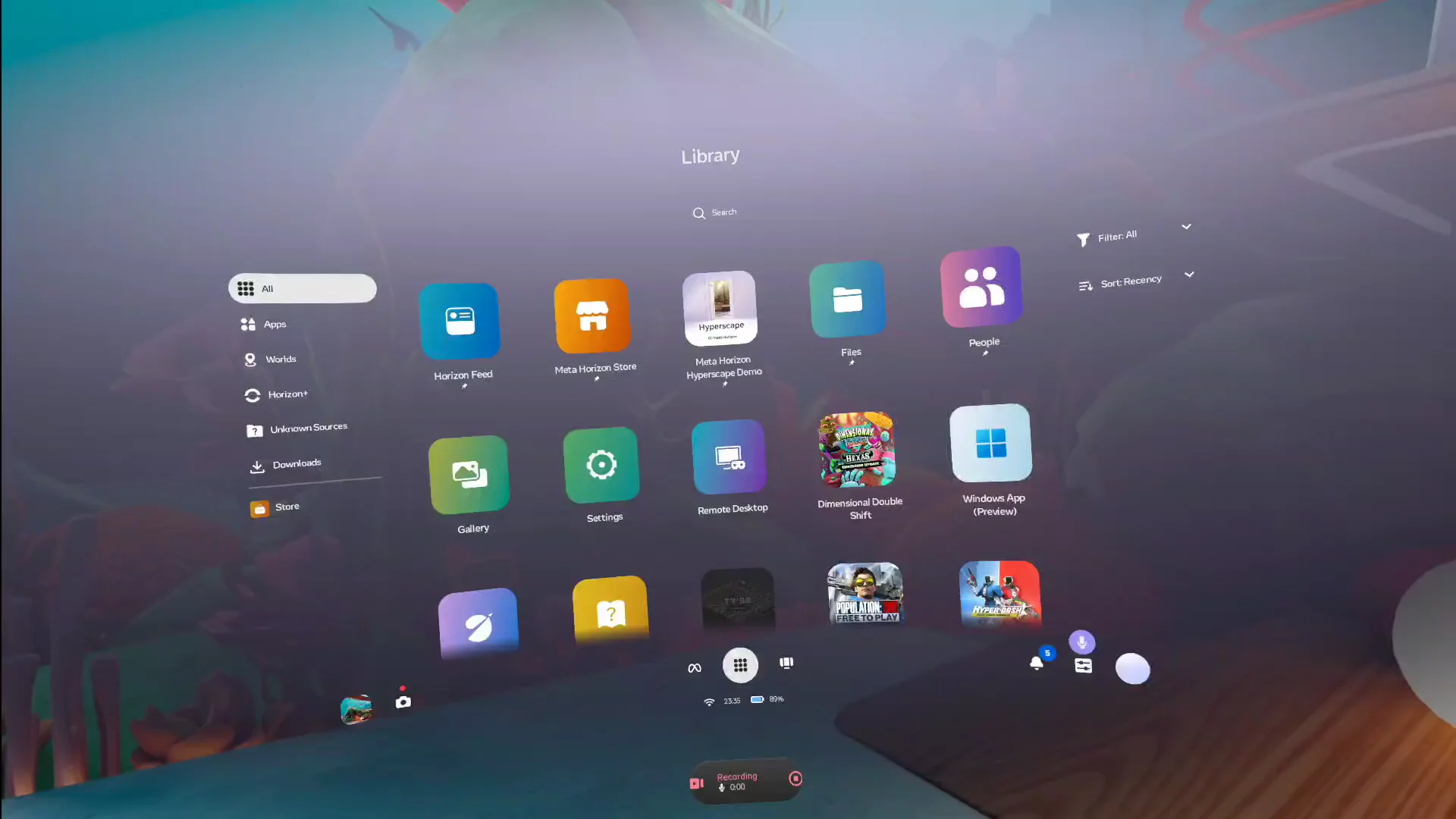
Meta has begun rolling out a significant change to the Quest platform that fundamentally alters how users navigate their VR headsets. With the latest Horizon OS updates, the company is making the Navigator UI the default interface, while gradually phasing out the long-standing Horizon Feed.
At first glance, this may seem like a routine software update. In reality, it represents a meaningful shift in Meta’s approach to VR — one that prioritises speed, clarity, and user control over social-first discovery.
The End of the Horizon Feed Era
For years, the Horizon Feed acted as Meta’s central discovery hub inside Quest. It combined social content, recommended experiences, updates, and events into a single feed designed to encourage engagement.
However, user feedback consistently highlighted problems. Many found the feed cluttered, slow, and confusing, with discoverability often suffering rather than improving. Instead of helping users find what they wanted, the feed frequently felt like an obstacle between them and their apps.
By phasing out the Horizon Feed, Meta appears to be acknowledging those frustrations.
A Faster, Cleaner Way to Navigate VR
The new Navigator UI takes a far more streamlined approach. Rather than centring the experience around algorithmic content, it focuses on direct access to apps, settings, and system tools.
Menus are cleaner, transitions are faster, and there are fewer forced social prompts competing for attention. The result is an interface that feels more responsive and intentional — closer to a general-purpose computing platform than a social media feed in VR.
This aligns with a growing recognition that many VR users value efficiency and control over constant nudges toward social engagement.
Performance Gains Across Generations
Performance is another key factor behind the change. The Quest ecosystem now spans multiple generations of hardware, from older standalone headsets to newer mixed reality devices.
Feed-based interfaces require ongoing background processing, data loading, and content updates. By removing these heavier elements, Meta can reduce system overhead and improve responsiveness — particularly on older devices.
For users, this translates into snappier navigation, quicker app launches, and a more stable overall experience.
A Shift in How Users Are Onboarded
Strategically, this update suggests Meta is rethinking how users are introduced to VR.
Instead of pushing Horizon Worlds and social discovery front and centre, the company now appears more willing to let VR function organically. Users can choose when — and if — they want to engage socially, rather than being funnelled into those experiences by default.
This subtle change in onboarding philosophy could have long-term implications for how people perceive and use VR on a daily basis.
What This Means for Developers
The removal of a central discovery feed may also impact developers.
With less emphasis on feed-driven visibility, app discoverability may rely more heavily on store placement, search optimisation, updates, and external promotion. Developers may need to diversify their marketing strategies rather than depending on platform-driven exposure.
While this introduces new challenges, it could also reward higher-quality apps that users actively seek out.
A Quieter, More Focused Quest Experience
Ultimately, the shift away from the Horizon Feed signals a broader change in Meta’s VR philosophy.
The Quest platform is becoming quieter, faster, and more utility-focused — a direction likely to appeal to power users while remaining approachable for newcomers. Rather than forcing a vision of the metaverse through interface design, Meta appears to be stepping back and letting VR speak for itself.
As Horizon OS continues to evolve, this update may be remembered as the moment Meta stopped trying to push a “metaverse feed” and instead let VR simply be VR.
Join the discussion below. Sign in to leave a comment or reply.
You need to be signed in before you can leave a comment or reply to the discussion.
Keep exploring
Explore topics →