Valve Delays Steam Frame Again as Component Costs Disrupt 2026 Plans
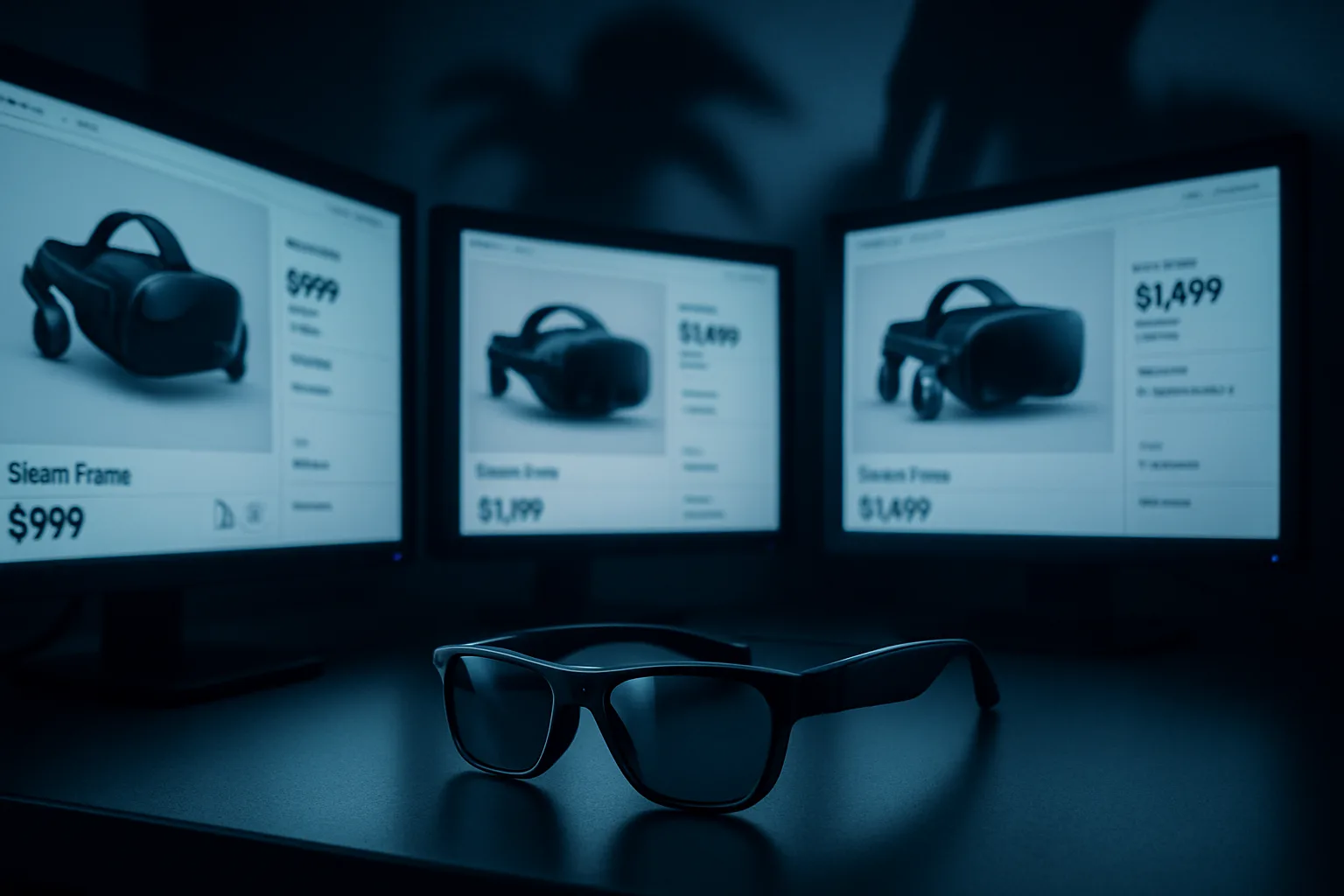
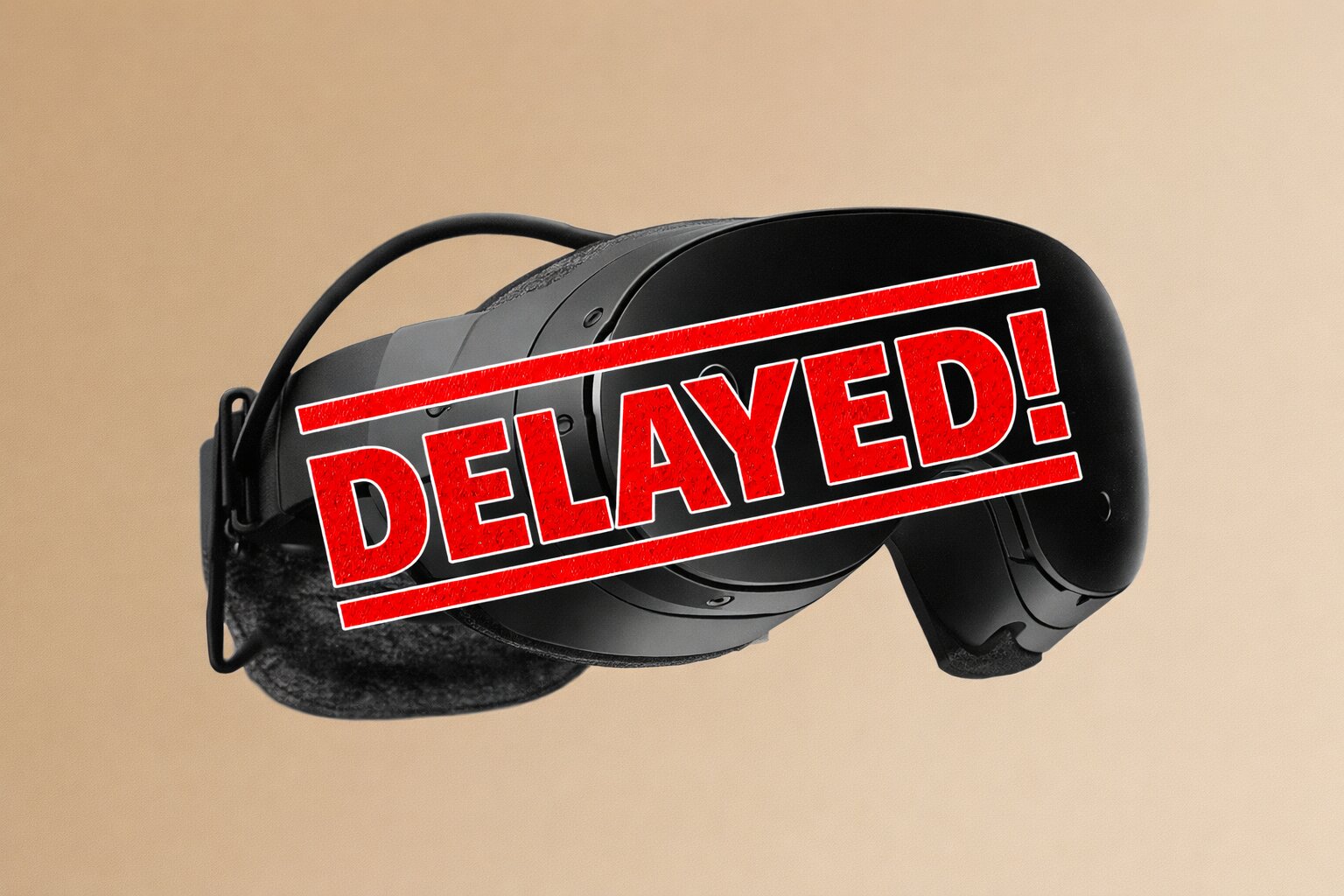
Valve has confirmed it is revisiting the shipping schedule and pricing for the Steam Frame headset and Steam Machine, citing ongoing memory and storage shortages
Valve Delays Steam Frame Again as Component Costs Disrupt 2026 Plans
Valve has confirmed it is revisiting the shipping schedule and pricing for the Steam Frame headset and Steam Machine, citing ongoing memory and storage shortages.
Valve has once again adjusted expectations around its next major hardware push. The company has confirmed it is revisiting both the shipping timeline and pricing strategy for the Steam Frame VR headset and the long-rumoured Steam Machine, as global memory and storage shortages continue to disrupt production plans.
While Valve has stopped short of announcing a specific delay window, the company has made it clear that launches are now expected to remain flexible throughout 2026. Multiple reports suggest that releases are currently being targeted for the first half of the year — though even that timeframe is far from locked in.
What Is Being Delayed?
According to recent statements and reporting, the disruption affects three major pieces of Valve hardware:
- Steam Frame VR headset
- Steam Machine (next-generation living room PC)
- Steam Controller (new iteration)
All three products are reportedly impacted by rising costs and limited availability of key components — particularly RAM and high-speed storage, which are critical for both VR and gaming-focused systems.
Why Memory and Storage Matter So Much
Modern VR headsets and gaming systems rely heavily on fast memory and storage to deliver smooth performance, low latency, and fast loading times. In VR specifically, insufficient memory bandwidth or slow storage can directly impact frame pacing and comfort.
Over the past year, prices for memory and storage components have risen due to a combination of supply constraints, increased demand from AI infrastructure, and shifts in global manufacturing priorities.
For Valve, this creates a difficult balancing act. Launching hardware during a period of inflated component costs risks pushing prices higher than intended — something Valve has historically tried to avoid.
Pricing Concerns Appear Central
Valve’s decision to revisit pricing suggests the company is reluctant to pass rising costs directly onto consumers.
Historically, Valve hardware has been positioned as aggressively priced, often prioritising ecosystem growth over short-term profit. The Steam Deck is the most obvious example, offering PC gaming performance at a price point many competitors struggled to match.
The Steam Frame and Steam Machine were expected to follow a similar philosophy — but component inflation threatens that model.
A Familiar Pattern for Valve Hardware
This cautious approach is not new for Valve.
Unlike many hardware manufacturers, Valve rarely rushes products to market. The company tends to delay launches rather than compromise on price targets, supply stability, or user experience.
The Steam Deck itself faced extended reservation periods and phased rollouts, allowing Valve to scale production responsibly while refining the platform.
The current situation suggests Valve is once again choosing patience over pressure.
What This Means for the Steam Frame
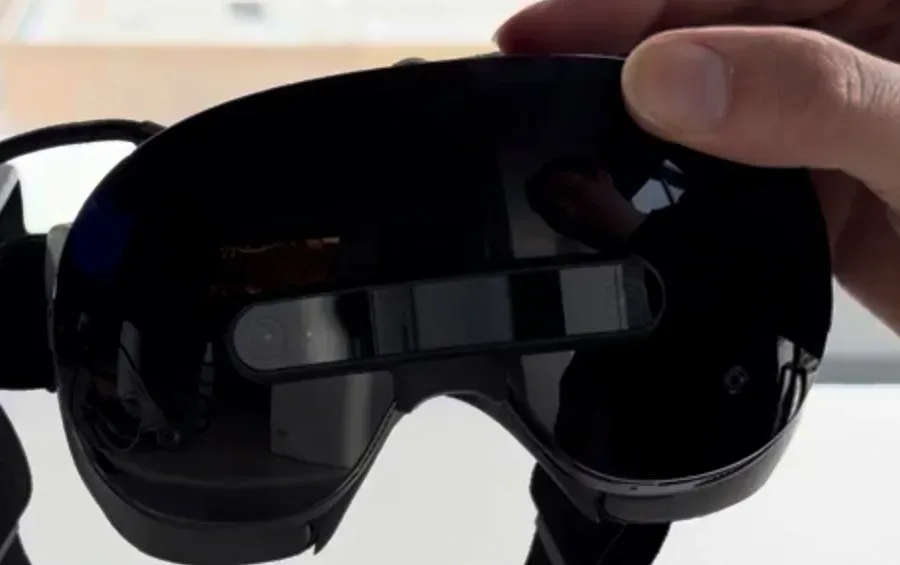
The Steam Frame VR headset has become one of the most anticipated unreleased VR devices, largely because of what it represents.
Rather than competing directly with standalone headsets, the Steam Frame is widely expected to focus on PC-first VR, deep SteamOS integration, and a more open ecosystem. For many enthusiasts, it represents Valve’s long-awaited return to the VR hardware spotlight.
A delay may be disappointing, but it also increases the likelihood that when the headset does arrive, it will launch with:
- Stable supply
- Competitive pricing
- Strong software integration
Impact on the Broader VR Market
Valve’s delay leaves a noticeable gap in the high-end PC VR space.
With no immediate Steam Frame launch, the market remains dominated by existing platforms, with fewer new entrants offering open, PC-focused alternatives. For VR enthusiasts hoping for increased competition, the delay prolongs a relatively stagnant period.
That said, a rushed launch with inflated pricing could have done more harm than good — both for Valve and for consumer confidence.
The Steam Machine Question
The Steam Machine’s return is arguably even more complex.
Following the success of the Steam Deck, expectations are higher than ever for a living-room PC designed around SteamOS. However, rising component costs make it difficult to deliver a console-like price without compromising performance.
By delaying, Valve may be waiting for a more favourable component market — one that allows it to position the Steam Machine as a genuine alternative to traditional consoles.
Looking Ahead to 2026
For now, Valve appears content to keep timelines flexible.
Rather than committing to fixed release dates, the company is monitoring supply conditions and cost trends, adjusting plans accordingly. While this creates uncertainty for fans, it also reduces the risk of last-minute changes or underwhelming launches.
If memory and storage prices stabilise later in 2026, Valve could still move quickly — especially if production pipelines are already in place.
Final Thoughts
Valve’s decision to revisit the Steam Frame and Steam Machine timeline highlights the reality of modern hardware development.
Even for companies with deep experience and strong platforms, global supply pressures can reshape launch plans overnight. Rather than forcing products out the door, Valve appears focused on delivering hardware that meets its long-term vision — even if that means waiting.
The delay may be frustrating, but if it results in better pricing, stronger availability, and a more polished launch, it could ultimately work in Valve’s favour.
For now, the Steam Frame remains one of VR’s biggest unanswered questions — and 2026 just became a little more interesting.
Join the discussion below. Sign in to leave a comment or reply.
You need to be signed in before you can leave a comment or reply to the discussion.
Keep exploring
Explore topics →