Meta Isn’t Killing VR — It’s Reshaping It
Layoffs, studio closures, and cancelled projects sparked panic — but Meta’s real VR strategy is more calculated than it looks.
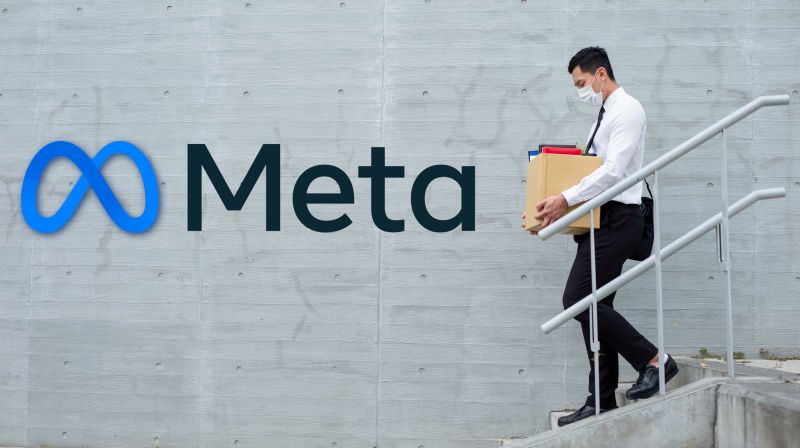
Meta Isn’t Leaving VR — It’s Changing How It Builds It
Layoffs and studio closures sparked fears that Meta was pulling back from virtual reality, but the reality is far more nuanced.
Recent layoffs and internal restructuring within Meta’s Reality Labs division have sparked widespread speculation that the company is stepping back from VR altogether. Headlines highlighting studio closures and reduced first-party game development have fuelled concern across the VR community, with many questioning whether Meta’s long-term commitment to immersive technology is starting to fade.
However, a closer look suggests this is not an abandonment of VR, but a significant strategic realignment.
Why the Changes Triggered Alarm
Meta has spent the past decade investing billions into virtual reality, particularly through first-party content designed to establish the Quest platform. Exclusive games, internal studios, and funded experiences helped kickstart the ecosystem and gave early adopters reasons to buy into standalone VR.
As those studios closed or scaled back, it was easy to interpret the move as a loss of confidence. For many users, first-party titles symbolised Meta’s belief in VR as more than a side project.
But that model came with serious drawbacks.
The Cost of Being a Content Creator
Building first-party VR games at scale is expensive, risky, and difficult to sustain — especially in a market that is still growing. While Meta’s early investments helped seed the ecosystem, maintaining multiple internal studios proved costly and offered limited long-term scalability.
As the VR market matures, Meta appears to be stepping away from acting as a primary content creator and instead focusing on becoming a platform enabler.
This shift reflects a recognition that long-term success in VR may not come from dominating content, but from empowering others to build it.
Letting VR “Be What It Is”
Executives at Meta have indicated that VR should be allowed to “be what it is,” rather than being shaped entirely by internal mandates or a single, company-defined vision of the metaverse.
In practical terms, this means shifting focus toward third-party developers, external studios, and community-driven innovation. Instead of funding large numbers of in-house projects, Meta is prioritising tools, distribution, platform stability, and system-level improvements.
This approach mirrors strategies seen in other successful ecosystems.
A Familiar Platform Playbook
Consoles, mobile platforms, and PC gaming thrive when developers are empowered rather than overshadowed by first-party dominance. While flagship titles can help define a platform early on, long-term health depends on a diverse and sustainable creator ecosystem.
By stepping back from aggressive first-party content production, Meta may actually be strengthening the Quest platform’s future. A broader range of independent voices can lead to more variety, more experimentation, and fewer experiences that feel forced or overly aligned with a single corporate vision.
The Human Cost of the Transition
That said, this transition has not been painless. Layoffs and cancelled projects impact real people and disrupt development pipelines. For studios and developers who relied on Meta’s direct support, the shift has understandably shaken trust.
Rebuilding that trust will be critical. Transparency around platform direction, consistent updates, and reliable developer support will determine whether creators feel confident continuing to invest time and resources into the Quest ecosystem.
Hardware Development Continues
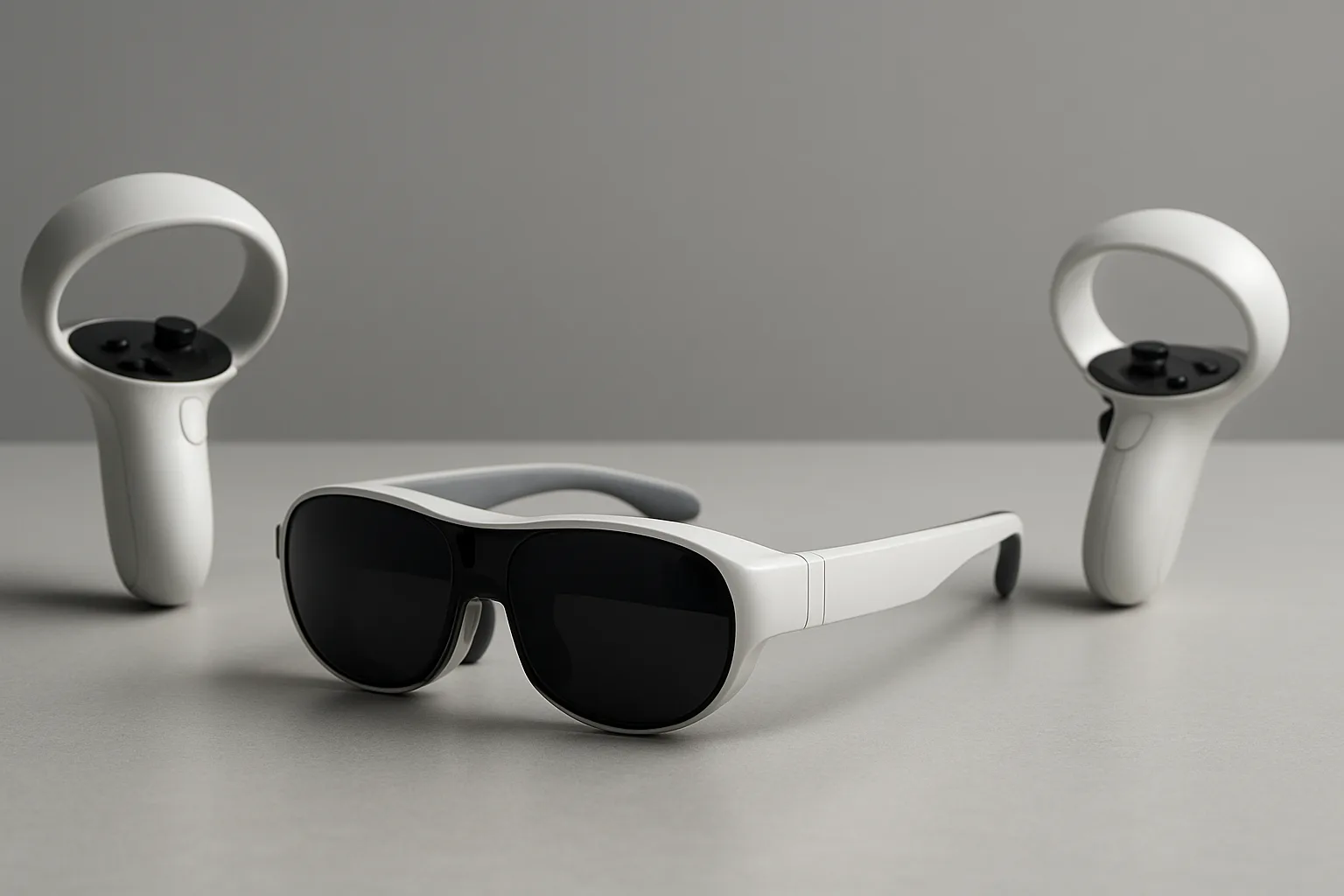
Crucially, Meta has not slowed its hardware roadmap. Future Quest headsets, operating system improvements, and mixed reality capabilities remain central to the company’s plans.
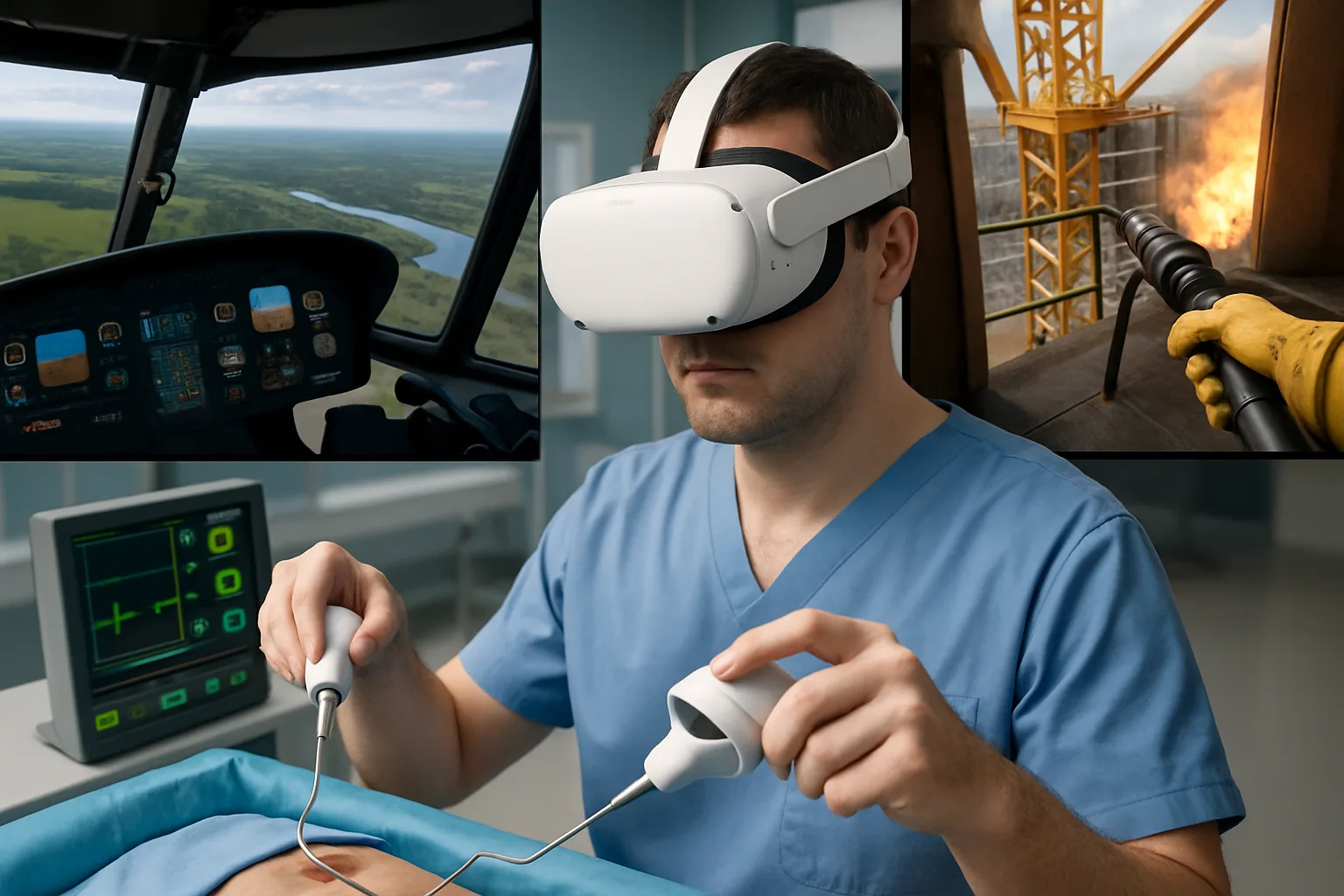
The change is philosophical rather than technical. VR is no longer being positioned as a single, all-encompassing “metaverse” defined by Meta alone. Instead, it is increasingly framed as a versatile computing medium with multiple use cases — from gaming and fitness to productivity, education, and enterprise applications.
What This Means for Users and Creators
For users, this shift could result in a more diverse content landscape and fewer experiences designed to push a specific narrative or platform agenda. Choice and variety may ultimately improve.
For creators, the change brings more responsibility — but also more opportunity. With less reliance on first-party content, independent developers have greater space to define what VR becomes next.
A Shift Toward Sustainability
Meta’s VR story is no longer about domination or rapid cultural takeover. It is about sustainability.
By focusing on platform foundations rather than headline-grabbing internal projects, Meta appears to be betting that VR’s future will be built by a broad ecosystem rather than a single company’s vision.
If that bet pays off, the Quest platform may emerge quieter, less prescriptive — and ultimately healthier for it.
Join the discussion below. Sign in to leave a comment or reply.
You need to be signed in before you can leave a comment or reply to the discussion.
Keep exploring
Explore topics →