Meta Finally Admits VR Isn’t Growing Fast Enough
In a rare moment of honesty, Meta’s CTO has acknowledged that consumer VR adoption is moving slower than expected — raising serious questions about where virtual reality goes next.
Meta Admits VR Adoption Is Slower Than Expected
After years of aggressive investment and bold promises, Meta is quietly resetting expectations around the pace of consumer virtual reality adoption.
Meta has spent nearly a decade positioning virtual reality as the next major computing platform, investing tens of billions of dollars into hardware, software, and long-term metaverse ambitions. But this week, that narrative shifted in a noticeable way.
During recent public comments, :contentReference[oaicite:0]{index=0}, Meta’s Chief Technology Officer and head of Reality Labs, openly admitted that consumer VR adoption is not growing as quickly as the company originally hoped. For an industry built on the assumption that VR would rapidly reach mainstream audiences, this admission carries significant weight.
It marks one of the clearest acknowledgements yet from a senior Meta executive that the path to mass adoption has been slower, more complex, and more uncertain than early forecasts suggested.
Reality Labs Restructuring Sets the Context
Bosworth’s comments arrive against the backdrop of continued restructuring within Meta’s Reality Labs division. Over the past year, the company has reduced its workforce, scaled back internal game studios, and reassessed which immersive projects justify ongoing investment.
While Meta continues to launch new Quest hardware and push regular software updates, it is increasingly clear that the company is recalibrating expectations around VR’s growth curve rather than doubling down on rapid expansion at all costs.
This recalibration does not signal retreat. Instead, it reflects a shift in how Meta defines success in the VR space.
Not Abandoning VR — Just Resetting the Timeline
Importantly, Meta is not walking away from virtual reality. Bosworth was careful to stress that the company still believes strongly in VR’s long-term potential.
What is changing is the assumption that VR must immediately become a mass-market replacement for smartphones or PCs. Rather than forcing rapid adoption through heavy investment and aggressive messaging, Meta now appears more willing to let the technology mature at a realistic pace.
This shift suggests a more patient approach — one that accepts VR as a long-term platform rather than an overnight revolution.
The Growing Pull of Artificial Intelligence
This strategic rethink also coincides with Meta’s growing emphasis on artificial intelligence. As AI products and infrastructure begin delivering clearer short-term returns, Meta has redirected significant attention and resources toward AI-driven tools, assistants, and creator technologies.
From a business perspective, the logic is straightforward. AI adoption is accelerating rapidly across consumer and enterprise markets, while VR remains constrained by hardware costs, comfort limitations, and content availability.
That contrast highlights the central challenge facing consumer VR today.
Why VR Still Struggles to Break Through
Despite meaningful improvements in headsets like the Quest lineup, barriers remain for everyday users. Wearing a headset is still far less frictionless than pulling a phone from a pocket or opening a laptop.
Many consumers continue to view VR as a novelty rather than an essential device. Content depth, social adoption, and long-term engagement remain inconsistent across the broader market, especially outside core gaming and fitness audiences.
These realities help explain why adoption has progressed more slowly than early projections suggested.
What This Means for Developers
For developers, Meta’s admission may feel both concerning and validating.
On one hand, slower adoption means a smaller immediate audience and increased competition for user attention. On the other, it confirms what many developers have experienced firsthand: success in VR requires patience, sustainable funding models, and realistic expectations — not overnight growth narratives.
By openly acknowledging these challenges, Meta may actually be giving developers a more stable foundation to build on.
A Healthier Industry Narrative
From an industry-wide perspective, this honesty could ultimately benefit VR’s future. Overpromising and underdelivering has historically damaged emerging technologies, leading to hype cycles followed by public disillusionment.
By admitting that adoption is slower than hoped, Meta may be laying the groundwork for a healthier ecosystem — one that prioritises long-term stability over aggressive short-term milestones.
VR as a Specialised, Powerful Medium
There is also a broader shift underway in how VR is framed. Rather than being positioned as the next universal computing platform, VR may increasingly be recognised as a powerful but specialised medium.
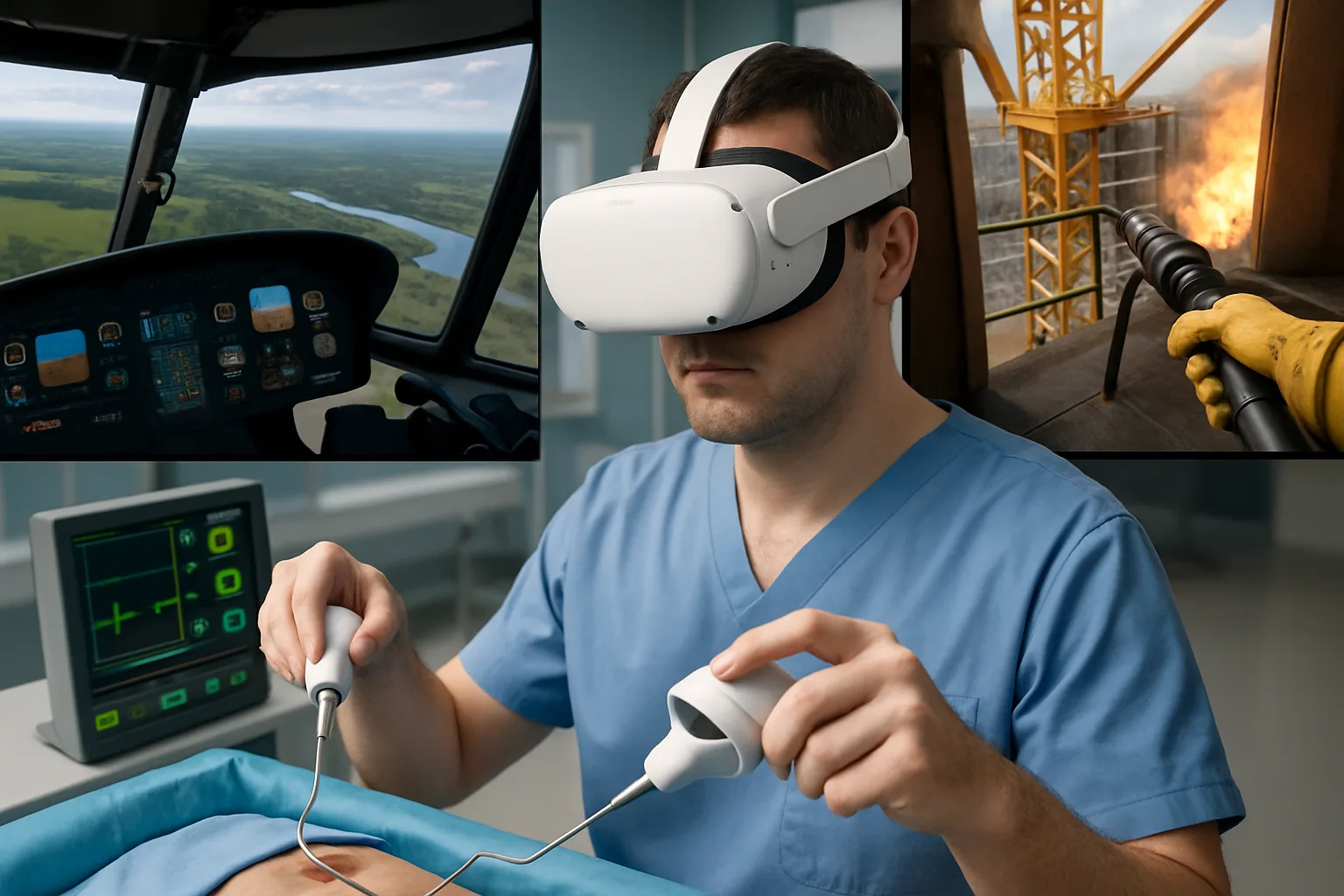
Gaming, fitness, simulation, education, and enterprise training continue to show strong engagement, even if general consumer adoption lags behind early expectations.
Meta’s move away from heavy first-party content production reinforces this idea. Instead of defining VR through internally developed experiences, the company is placing greater emphasis on third-party creators, platform tools, and system-level improvements.
This mirrors the evolution of other successful ecosystems, where platform holders enable innovation rather than dominate it.
Looking Ahead
Crucially, Meta’s hardware roadmap remains active. Future Quest headsets, mixed reality capabilities, and operating system refinements are still in development.
The difference now is not ambition, but expectation. VR is no longer being sold as an imminent mass-market takeover. Instead, it is being treated as a long-term investment that will grow alongside adjacent technologies such as AI and augmented reality.
For consumers and creators alike, this moment represents a turning point. Meta’s acknowledgment does not signal failure — it signals maturity.
VR may not be exploding into mainstream culture overnight, but it continues to evolve, improve, and find meaningful use cases. In the long run, this quieter, more realistic phase could prove far more important than the hype-driven years that came before it.
Join the discussion below. Sign in to leave a comment or reply.
You need to be signed in before you can leave a comment or reply to the discussion.
Keep exploring
Explore topics →