Qualcomm Teases Next-Gen Snapdragon XR Chip: Pico Flagship Launch Incoming?
Qualcomm's dropping hints about its next Snapdragon XR chipset, and Pico might be first in line to use it in their upcoming flagship headset.

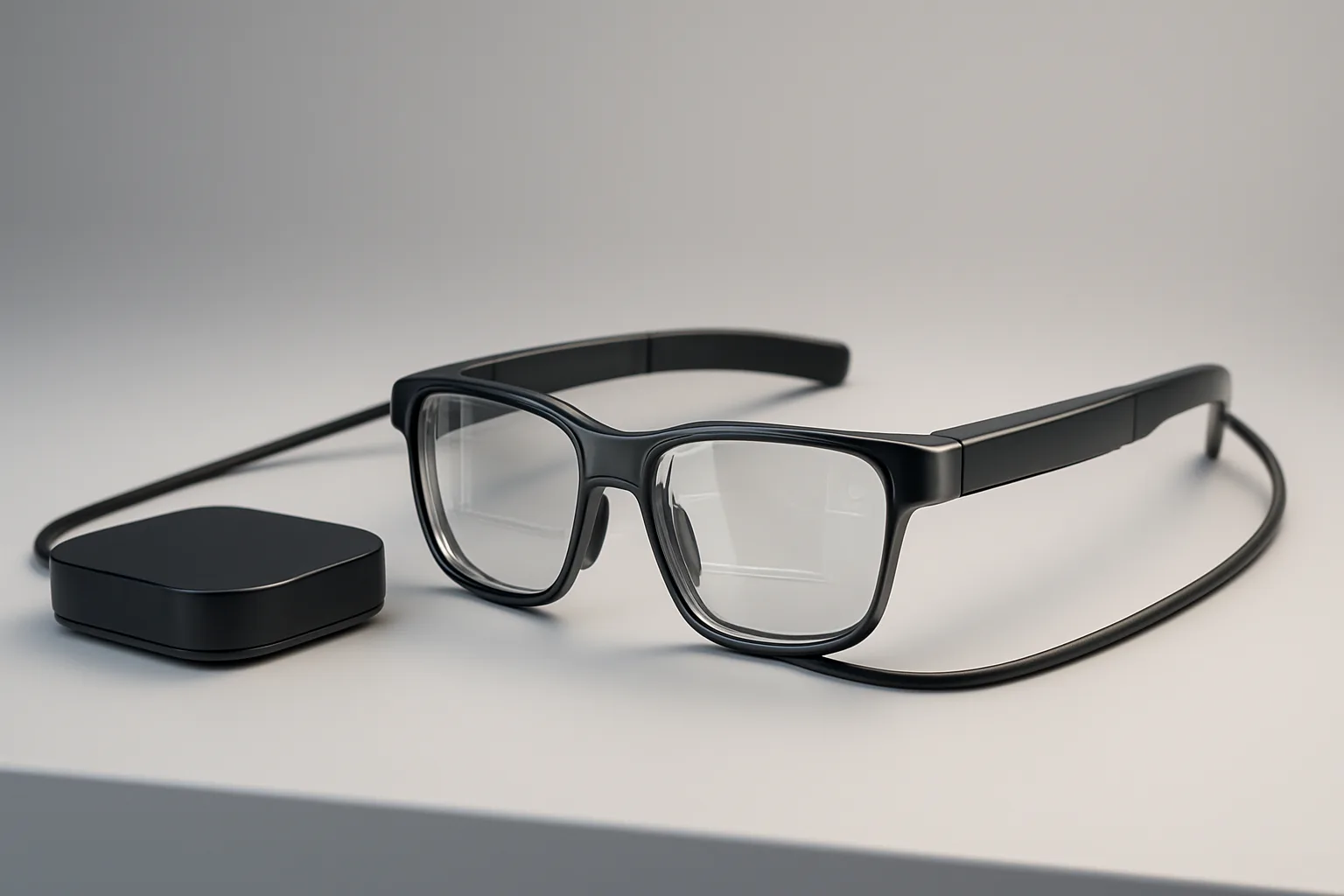
Right, so Qualcomm's being properly cryptic again, teasing what looks like their next-generation Snapdragon XR chipset aimed at standalone VR headsets. The chip giant posted some vague teasers saying we'll learn more "soon," which in tech company speak could mean anything from next week to six months from now. The big question is whether this is the full-fat Snapdragon XR3 platform, or just Gen 3 of their existing XR2 line – and honestly, the naming conventions these days are doing my head in.
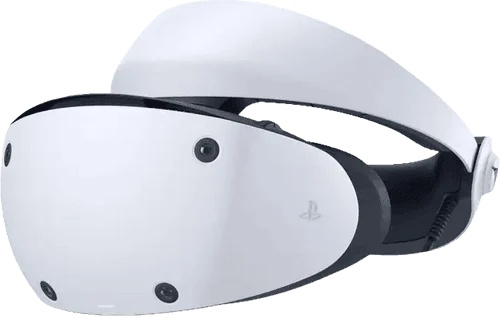
What makes this particularly interesting is the timing lines up nicely with rumours about Pico's next flagship headset. Word on the street is that Pico's been cooking up a successor to challenge the Meta Quest 3, and if they're getting early access to Qualcomm's latest silicon, that could give them a proper edge in the standalone VR market. The current Meta Quest Pro and Quest 3 both run on variants of the Snapdragon XR2, so a genuine generational leap could mean significant improvements in processing power, battery efficiency, and thermal management – all the boring stuff that actually matters when you're strapped into a headset for hours.
What This Means for Standalone VR
Look, the standalone VR market has been dominated by Meta for ages now, and whilst competition from other manufacturers has been decent, nobody's really managed to knock Quest off its perch. A proper next-gen chipset could level the playing field, especially if Pico or other manufacturers can get it into their headsets before Meta's next flagship drops. We're talking potential improvements in hand tracking, passthrough quality, and the ability to run more demanding mixed reality applications without your headset turning into a portable radiator strapped to your face.
The Bigger Picture
Beyond just Pico, this new chipset could power a whole range of upcoming standalone headsets from various manufacturers. The XR market's been crying out for more processing grunt, especially as developers push more ambitious titles and mixed reality experiences become the norm rather than the novelty. Qualcomm's basically the only game in town for standalone VR chips right now, so when they upgrade, everyone benefits – assuming manufacturers can actually get their hands on the things and don't get stuck in some exclusivity nightmare.
The "soon" tease is frustratingly vague, but if I had to guess, we're probably looking at an official announcement within the next few months, possibly at a major tech conference. Then there's the inevitable wait for actual headsets to hit the market, which could push real-world availability into late 2025 or even 2026. That's the game with hardware announcements – by the time you're actually wearing the thing, it feels like ancient history. Still, it's encouraging to see Qualcomm pushing forward with dedicated XR silicon rather than just repurposing phone chips. The standalone VR space needs this kind of focused development if it's going to keep evolving beyond what we've already got with the Quest 3 and similar devices.
Join the discussion below. Sign in to leave a comment or reply.
You need to be signed in before you can leave a comment or reply to the discussion.
Keep exploring
Explore topics →