A VR Treadmill Just Hit the Stock Market test
Virtuix has gone public — and it says a lot about where VR fitness and immersion are heading.
Virtuix Goes Public, Signalling Confidence in VR Hardware
The VR treadmill maker has officially entered the public markets, marking a rare vote of confidence in consumer VR hardware during a cautious investment climate.
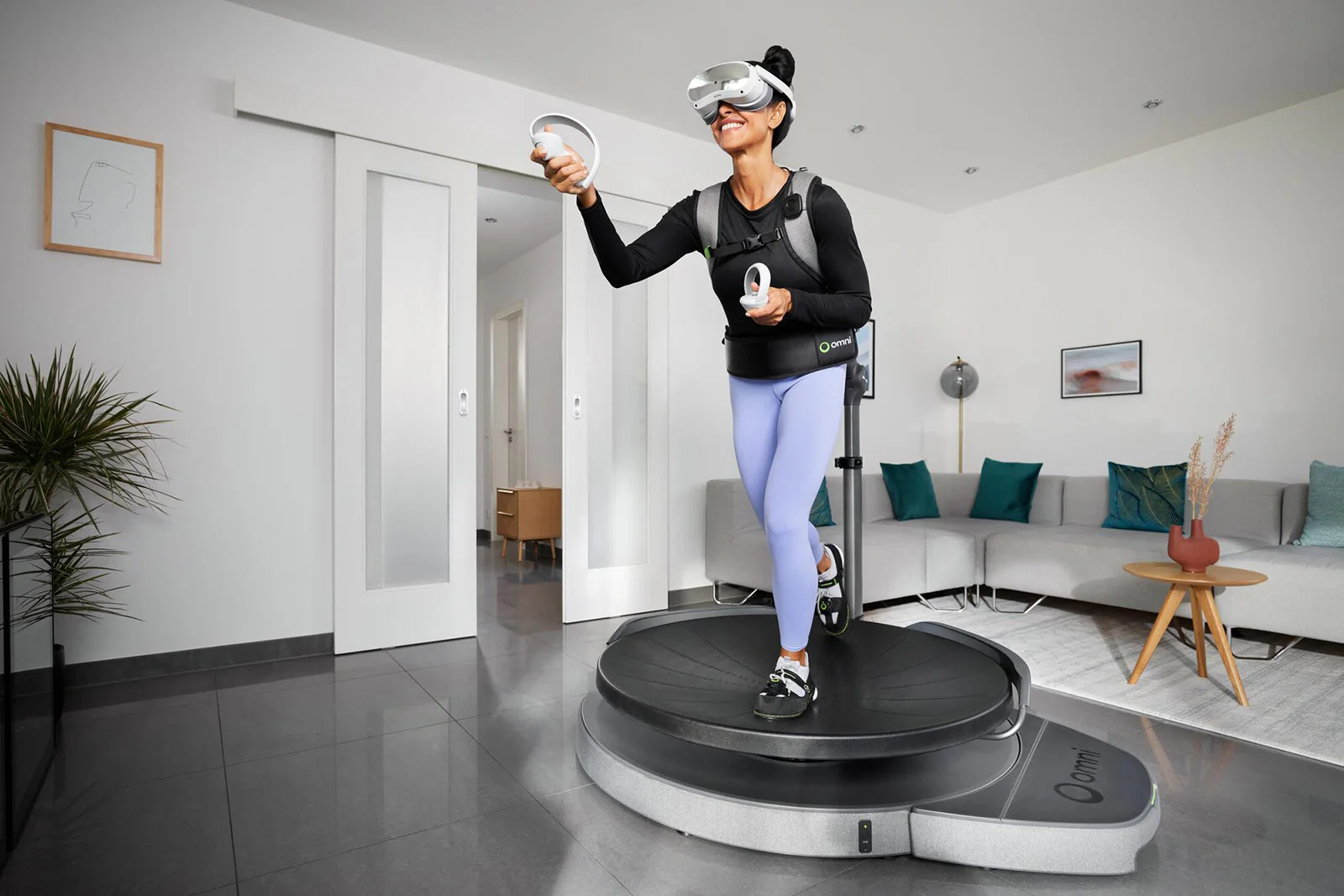
:contentReference[oaicite:0]{index=0}, best known for its omnidirectional VR treadmills, has officially gone public with a Nasdaq listing. The move stands out at a time when many technology companies are scaling back ambitions, delaying hardware launches, or shifting focus away from consumer-facing products.
Virtuix’s public debut represents a rare moment of optimism within the VR hardware space — particularly one that sits outside traditional headsets and controllers. Rather than focusing on displays or tracking alone, Virtuix has built its business around one of virtual reality’s longest-standing challenges: natural movement.
Solving One of VR’s Biggest Immersion Problems
Virtuix’s platforms allow users to physically walk, run, and move inside virtual environments, translating real-world motion into in-game locomotion. This approach addresses a core limitation of VR — movement that feels artificial, constrained, or disconnected from the body.
By enabling full lower-body movement, VR treadmills can significantly enhance immersion, reduce motion sickness for some users, and create experiences that feel more physically engaging. For years, this technology was largely confined to arcades, research labs, and enterprise training environments.
That perception is now changing.
VR Fitness and Active Gaming Are Growing
While VR treadmills were once considered niche, broader trends are working in Virtuix’s favour. VR fitness and active gaming have grown rapidly over the past few years, driven by lighter headsets, improved tracking, and a growing catalogue of movement-focused games.
As standalone VR headsets become more common in homes, interest in physically active VR experiences has increased. Fitness-focused users are looking for deeper immersion and more natural movement — areas where treadmill-based solutions offer clear advantages.
What Going Public Changes
By going public, Virtuix gains access to capital that could dramatically accelerate its roadmap. Increased funding opens the door to faster product development, improved manufacturing scale, and wider global distribution.
It also sends a clear message to the market: Virtuix believes immersive locomotion has a future beyond arcades and enterprise installations. The company is betting that, with the right pricing and content support, VR treadmills can find a place in the consumer ecosystem.
The Challenges Ahead
Despite the optimism, success is far from guaranteed. Virtuix’s future will depend heavily on affordability, software compatibility, and mainstream appeal.
VR treadmills remain expensive compared to traditional VR accessories, and they require space, setup, and user commitment. Without strong software support and compelling use cases, adoption could remain limited to enthusiasts and fitness-focused users.
That said, Virtuix’s decision to go public suggests confidence that these challenges can be overcome.
A Sign of VR Hardware Evolution
Virtuix’s Nasdaq listing does more than just mark a financial milestone for the company. It signals belief that VR hardware innovation is still evolving — not stagnating.
At a time when much of the industry is reassessing expectations around mass adoption, Virtuix’s move suggests that specialised, high-immersion hardware can still carve out meaningful space within the broader VR ecosystem.
VR hardware may be changing shape, but it is clearly not standing still.
Join the discussion below. Sign in to leave a comment or reply.
You need to be signed in before you can leave a comment or reply to the discussion.
Keep exploring
Explore topics →