FunFitLand Brings Live Heart Rate Tracking Into VR With New Phone App
FunFitLand's new smartphone app brings live heart rate data from compatible wearables directly into your VR workouts on Quest and Apple Vision Pro.
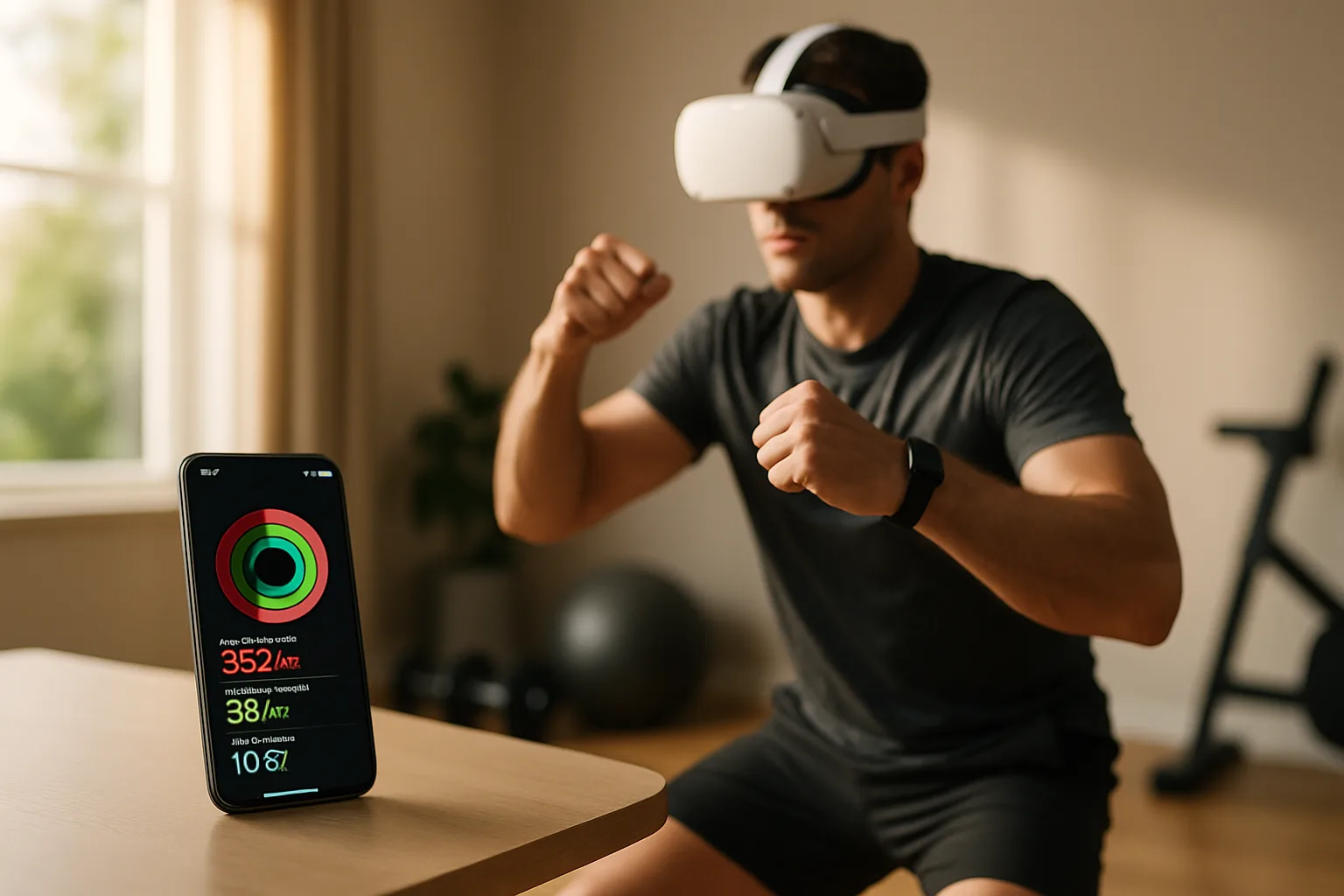
FunFitLand has launched a dedicated smartphone application that enables real time heart rate monitoring within virtual reality fitness sessions. The new app synchronises data from compatible fitness wearables and transmits it directly into the VR environment for Meta Quest and Apple Vision Pro users, offering immediate biometric feedback during workouts without requiring users to remove their headsets or interrupt their exercise routines.
How the Integration Works
The companion application bridges the gap between existing fitness tracking ecosystems and VR workout platforms by establishing a wireless connection between heart rate monitors and the headset. Users install the app on their smartphones, pair their compatible wearable devices, and then launch FunFitLand within their VR headset. The heart rate data streams continuously into the virtual environment, displaying as an on screen overlay that updates in real time as workout intensity fluctuates. This approach eliminates the need for proprietary hardware whilst maintaining compatibility with devices many fitness enthusiasts already own.
The system supports a wide range of popular wearables including devices from major manufacturers such as Apple, Garmin, Polar, and Fitbit. By leveraging the established Bluetooth connectivity already present in these devices, FunFitLand has created a solution that integrates smoothly with existing fitness tracking habits. The real time data feed allows users to monitor their exertion levels, maintain target heart rate zones, and adjust their workout intensity accordingly without breaking immersion.
Why Biometric Integration Matters for VR Fitness
The introduction of live heart rate tracking addresses a persistent challenge within the VR fitness space, where users have traditionally relied on post workout statistics or had to interrupt their sessions to check separate devices. With cardiovascular monitoring becoming increasingly central to effective fitness regimens, the ability to track heart rate within the immersive environment represents a significant quality of life improvement for those using VR as their primary workout platform.
This development aligns with the broader evolution of fitness focused VR applications, which increasingly compete with traditional gym equipment and workout classes. By providing the same data visibility found in commercial fitness equipment, platforms like FunFitLand strengthen their position as legitimate alternatives to conventional exercise methods. For users exploring various VR fitness options such as Fitness VR or rhythm based workout titles like Pistol Whip, access to biometric data can inform more structured and effective training programmes.
Cross Platform Availability and Future Implications
The application's support for both Meta Quest devices and Apple Vision Pro demonstrates FunFitLand's commitment to platform agnostic development. As Apple's spatial computing platform continues to establish itself in the market, fitness applications that function across both major ecosystems position themselves advantageously for sustained growth. The smartphone based approach to data transmission also provides flexibility, as updates to supported wearables and additional features can be deployed through standard app store channels without requiring firmware updates to the VR software itself.
FunFitLand's implementation of live heart rate tracking through a companion smartphone app marks a practical advancement in VR fitness technology. By utilising existing wearable devices rather than requiring specialised equipment, the solution lowers barriers to entry for users seeking comprehensive biometric feedback during their virtual workouts. As VR fitness applications continue to mature, seamless integration with established health tracking ecosystems will likely become a standard expectation rather than a distinguishing feature.
Join the discussion below. Sign in to leave a comment or reply.
You need to be signed in before you can leave a comment or reply to the discussion.
Keep exploring
Explore topics →