Apple Vision Pro Can Now Control Power Wheelchairs With Your Eyes
Apple's Vision Pro headset gets a genuinely useful accessibility feature that lets users control compatible wheelchairs using only eye tracking.
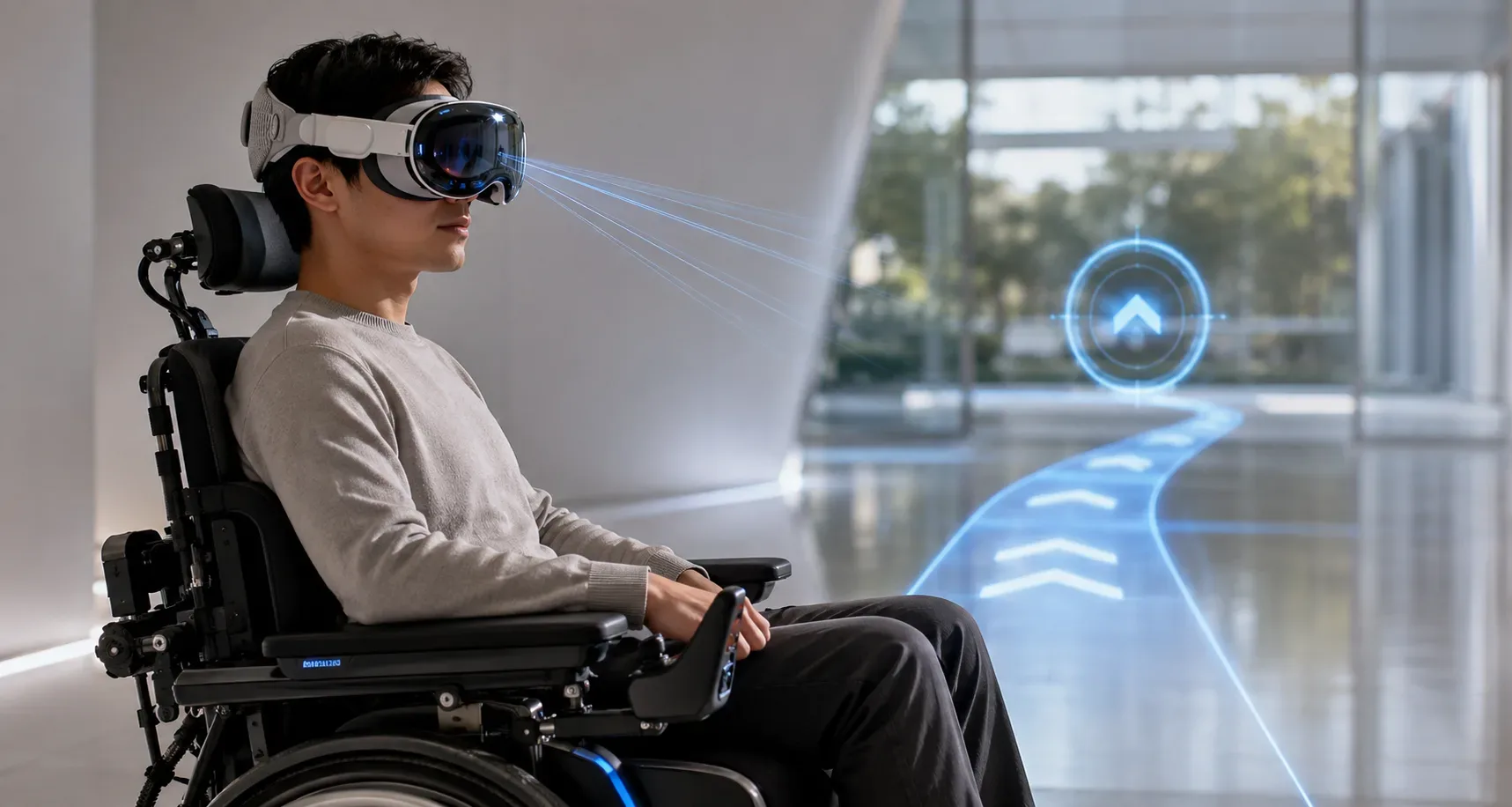
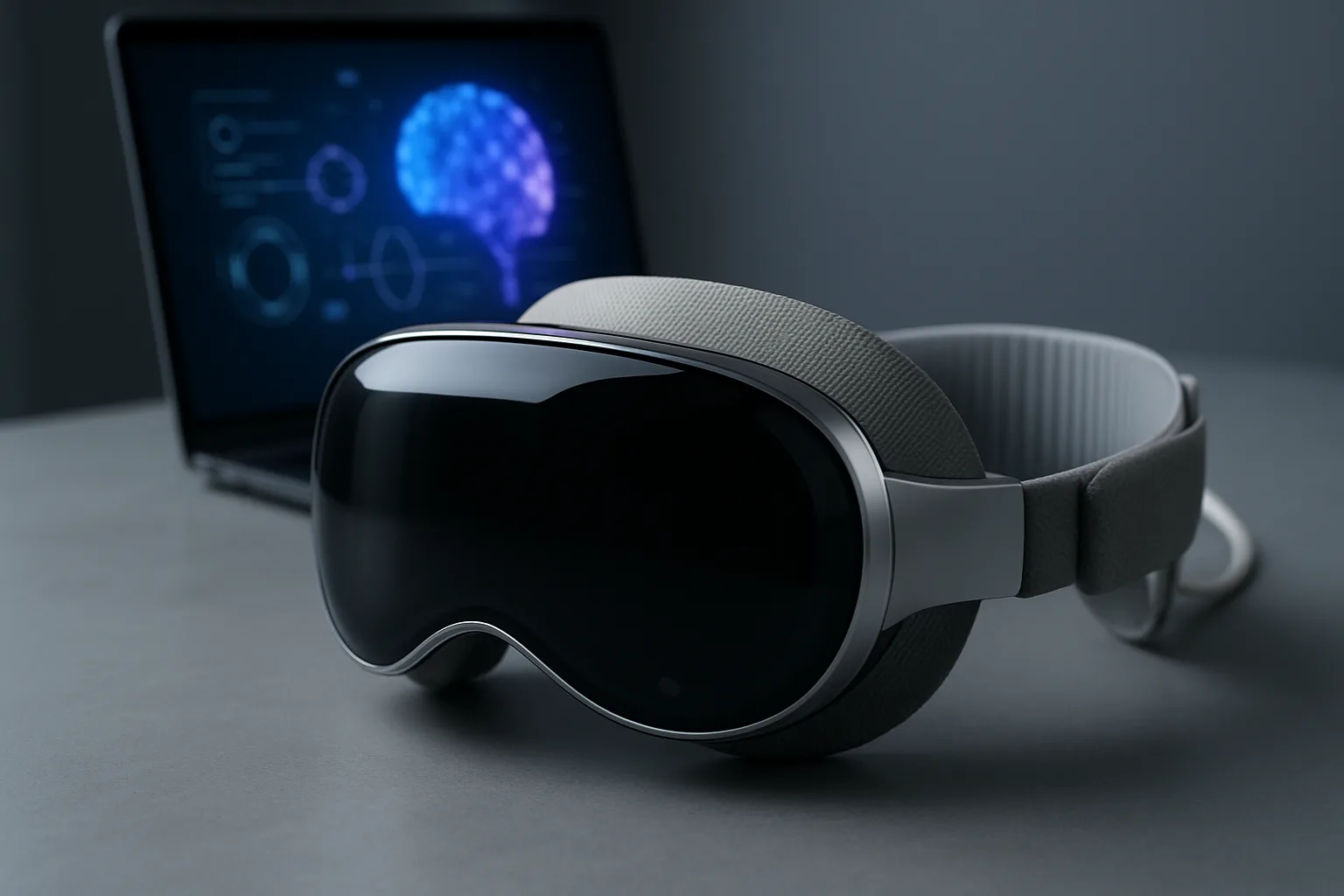
Right, this is properly impressive stuff from Apple. The Apple Vision Pro M2 has just gained a new accessibility feature that lets users control compatible power wheelchairs using nothing but their gaze. No hands, no controllers, just your eyes. First announced back in May, the feature is now rolling out in the United States, working with two drive-system partners at launch.
How It Actually Works
The feature taps into the Vision Pro's already impressive eye-tracking tech—something we've seen used brilliantly for navigation and interface control—and extends it into physical mobility. Users wearing the headset can look in the direction they want to travel, and the wheelchair responds accordingly. It's compatible with wheelchairs using drive systems from PRC and Permobil at launch, though I'd expect that list to grow if this takes off.
What makes this particularly clever is that Vision Pro's eye tracking is already some of the most accurate on the market. Unlike something like the Meta Quest 3, which uses hand tracking as its primary input method, Vision Pro was designed from the ground up with gaze control as a core interaction model. Now that same precision is being repurposed for genuine assistive technology rather than just scrolling through menus.
Why This Actually Matters
Look, I'll be honest—Vision Pro's gaming library isn't exactly setting the world on fire, and the price tag still makes most people wince. But this? This is the kind of application that justifies the existence of premium mixed reality tech. For people with limited mobility or conditions affecting their motor control, gaze-controlled navigation could be genuinely life-changing. It's not a gimmick; it's practical assistive technology that happens to use VR hardware.
Apple's been quite good at accessibility features over the years, and this feels like a natural extension of that philosophy. The limitation to the US market at launch is a bit frustrating—presumably down to medical device regulations and certification requirements—but hopefully it'll expand to other regions soon. It's worth noting that medical applications of VR and MR tech are increasingly getting regulatory approval, which suggests the infrastructure for these sorts of features is improving.
The Bigger Picture
This is exactly the sort of thing that shows where spatial computing can actually make a real difference beyond entertainment. While everyone's focused on whether Vision Pro can play the latest games or run decent productivity apps, Apple's quietly building out features that could genuinely improve people's daily lives. Fair play to them for that. Now let's see if other manufacturers follow suit—the tech's certainly there to make it happen.
Join the discussion below. Sign in to leave a comment or reply.
You need to be signed in before you can leave a comment or reply to the discussion.
Keep exploring
Explore topics →