Avatar Medical Gets FDA Clearance for VR Surgical Planning Platform
Avatar Medical Vision receives FDA approval, letting surgeons plan complex operations in VR—a massive win for medical applications.
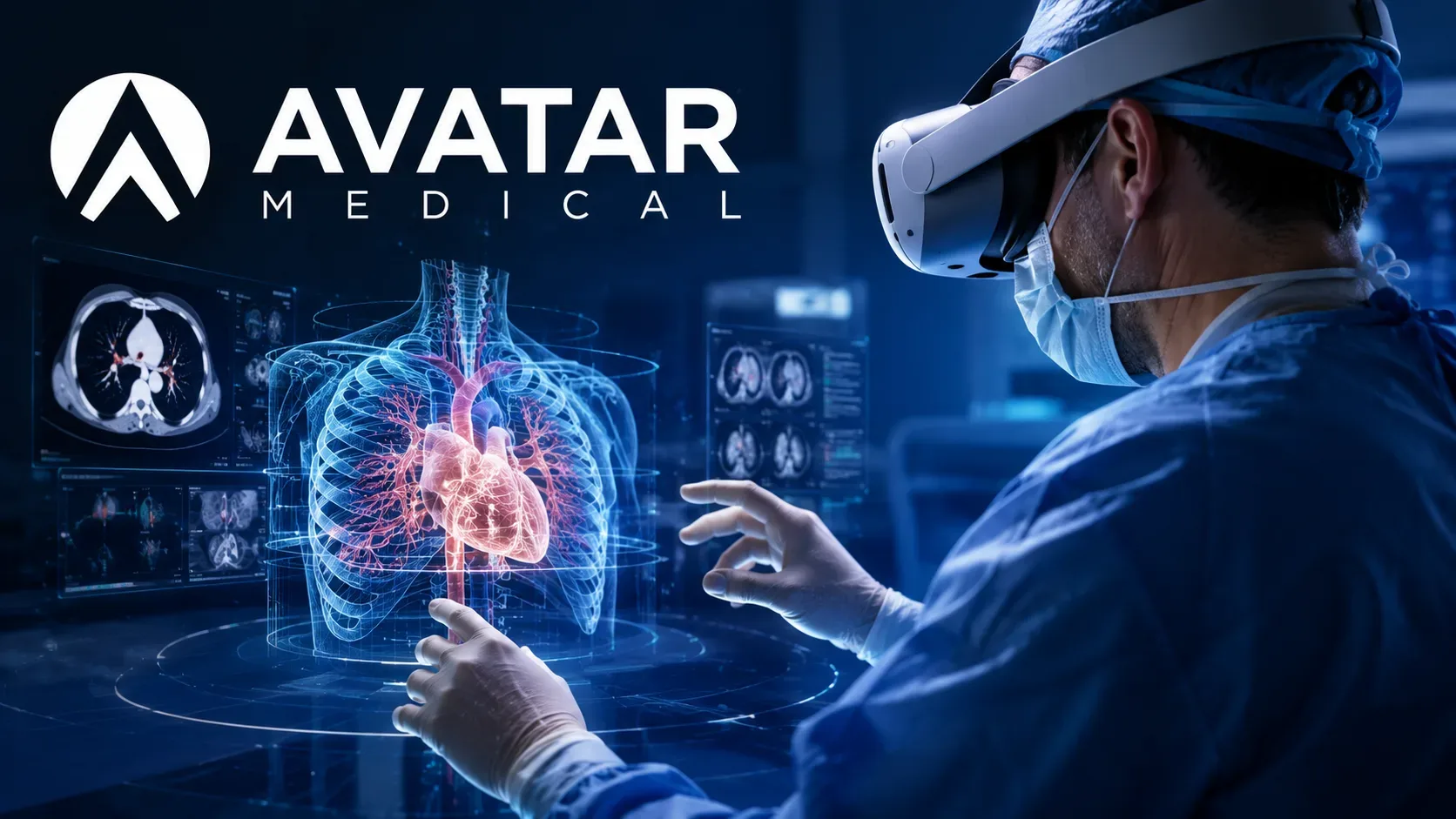
Right, this is genuinely brilliant news for anyone who thinks VR is just about gaming and entertainment. Avatar Medical has just received FDA clearance for Avatar Medical Vision, their 3D medical image review and surgical planning platform. Translation? Surgeons can now officially use immersive VR tech to plan complex operations before they even pick up a scalpel. This isn't some experimental tech demo anymore—it's proper, FDA-approved medical equipment.
What Does Avatar Medical Vision Actually Do?
Essentially, Avatar Medical Vision takes standard medical imaging data—your CT scans, MRIs, that sort of thing—and converts them into fully immersive 3D environments that clinicians can explore in virtual reality. Instead of looking at flat images on a monitor, surgeons can literally walk around a 3D reconstruction of a patient's anatomy, examine it from any angle, and plan their surgical approach with far better spatial awareness. It's like the difference between looking at a map of a building and actually walking through it yourself.
The platform works with existing medical imaging technology, which is crucial for adoption. Hospitals aren't having to bin all their expensive equipment—they're just adding a new layer of visualization on top. Surgeons can use headsets like the Meta Quest 3 or similar VR devices to review these images, collaborate with colleagues remotely, and practice procedures before the actual surgery. This kind of preparation could genuinely save lives by reducing surgical complications and operating times.
Why This Matters for VR
Look, we've been banging on about VR's potential in healthcare for years now, but FDA clearance is the real deal. This isn't a pilot program or a research project—this is regulatory approval for commercial use in American hospitals. It's validation that immersive technology has moved beyond novelty applications and into genuinely critical, life-saving work. We've already seen VR being used for things like helping autistic people practice real-world scenarios, but surgical planning takes medical VR to another level entirely.
The implications are massive. When investors, developers, and skeptics see that VR technology is trusted enough to plan brain surgery or cardiovascular procedures, it legitimizes the entire medium. It's also worth noting that this kind of professional application drives hardware innovation—medical professionals need reliable, high-resolution headsets with excellent tracking, which benefits all of us as consumers. The technology that makes surgical planning possible on something like a Meta Quest Pro eventually trickles down to better gaming experiences and more immersive entertainment applications.
The Bigger Picture
Avatar Medical isn't the only company working in this space, but FDA clearance is a significant competitive advantage. It means American healthcare providers can confidently invest in the platform knowing it meets rigorous safety and efficacy standards. For the VR industry as a whole, this is another data point proving that immersive technology isn't a fad—it's becoming essential infrastructure across multiple sectors. From education to entertainment to life-saving medical procedures, VR is proving its worth. And frankly, that's exactly what we need to push the technology forward for everyone.
Join the discussion below. Sign in to leave a comment or reply.
You need to be signed in before you can leave a comment or reply to the discussion.
Keep exploring
Explore topics →