Valve Delays Steam Machine and Steam Frame as Hardware Shortages Disrupt Plans
Valve has reportedly pushed back the launch timeline for its next wave of hardware, including the long-rumoured Steam Machine refresh and the highly anticipated Steam Frame VR headset.
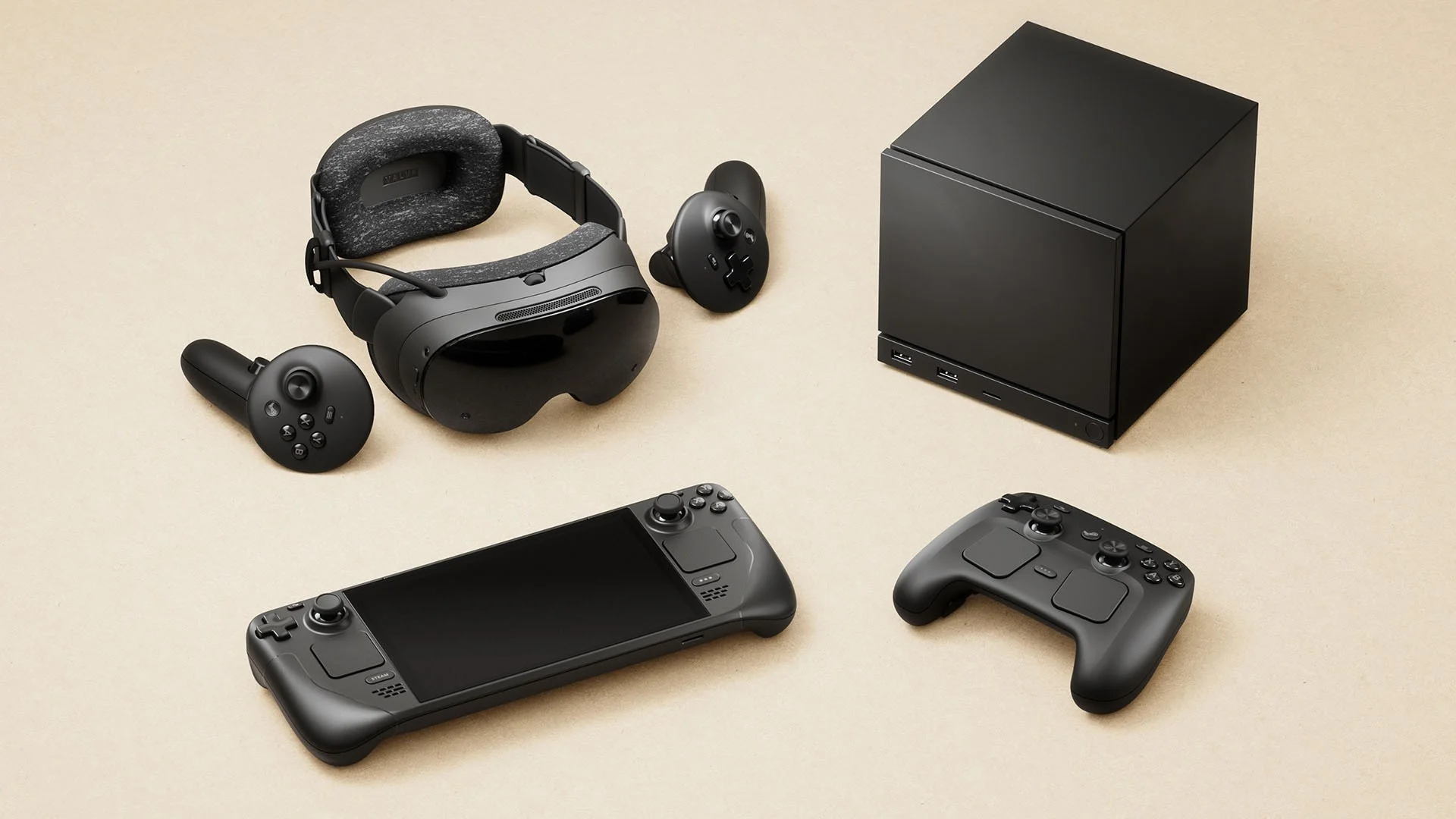
Valve Hits Pause on Its Next Hardware Push
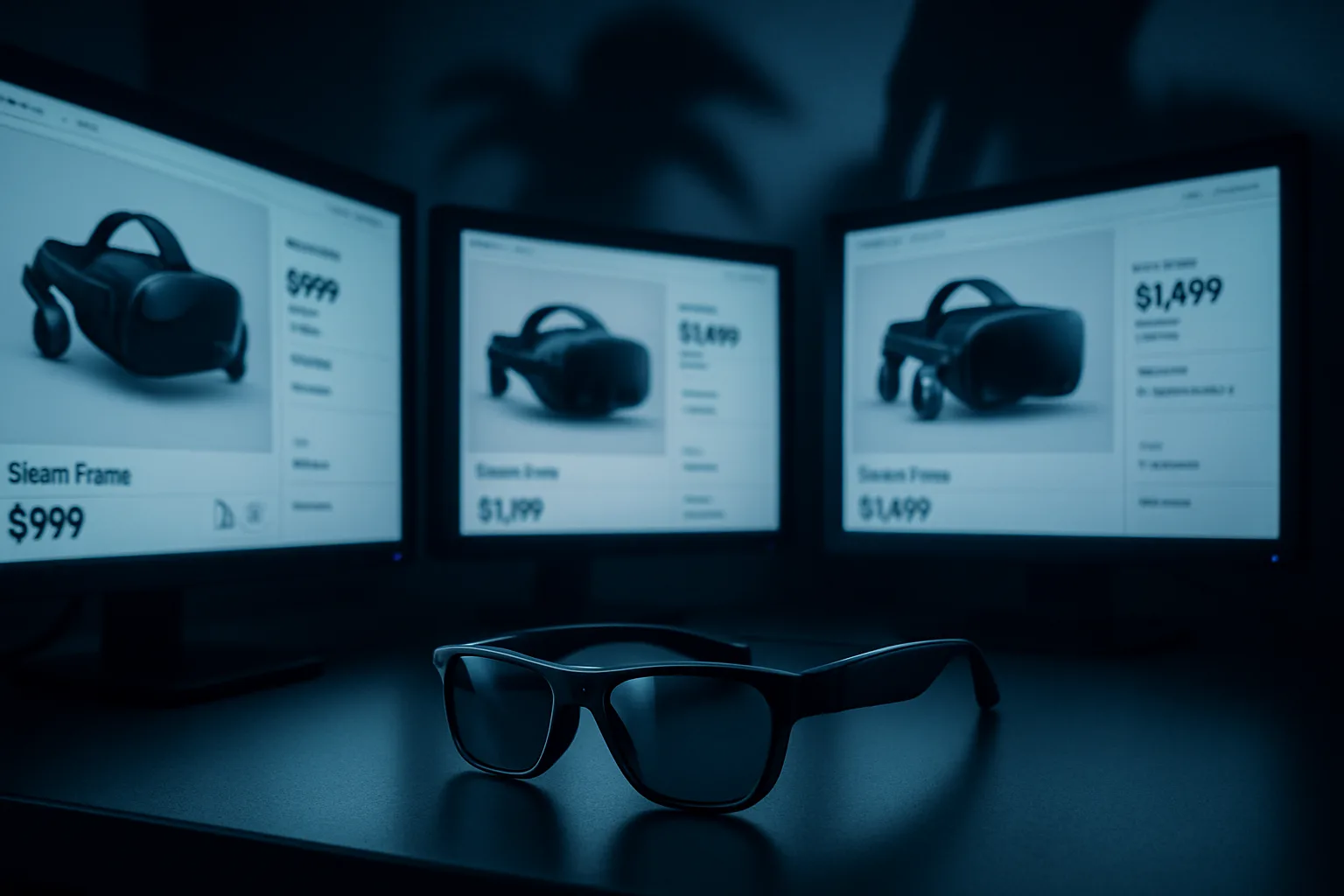
Valve has once again found itself at the centre of industry speculation after reports emerged suggesting delays to both its upcoming Steam Machine hardware and the Steam Frame VR headset. According to sources close to the matter, the delays are being driven primarily by ongoing global shortages of memory and storage components, forcing Valve to reconsider both production timelines and pricing strategy.
While Valve has not made a formal public announcement, the reports align with broader supply-chain issues affecting the technology sector throughout 2025 and into early 2026. For a company known for moving carefully and deliberately with hardware, the decision to delay may be frustrating for fans — but it is not entirely surprising.
What Is the Steam Frame?
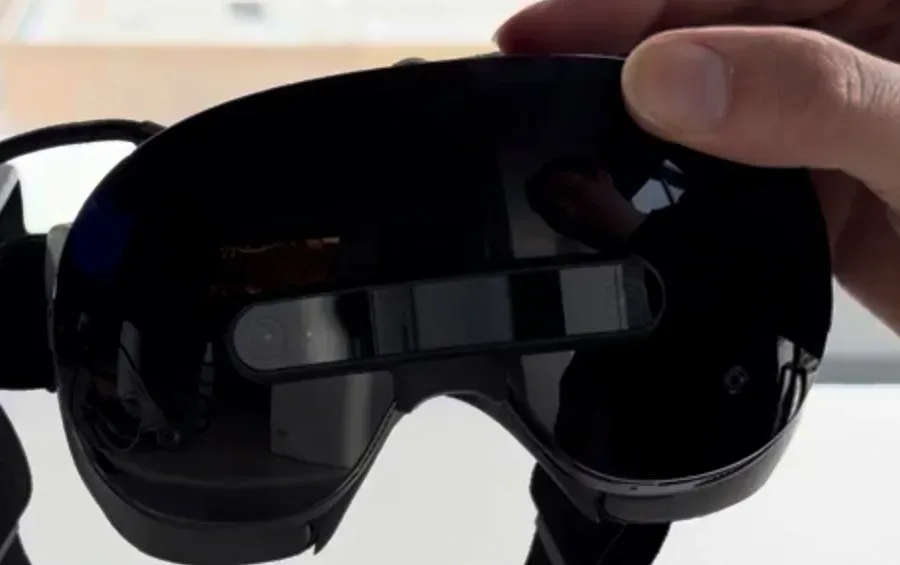
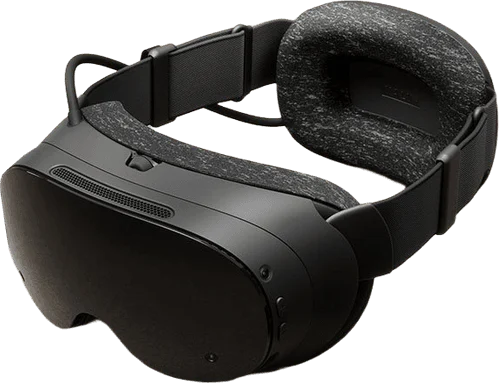
The Steam Frame is widely believed to be Valve’s next major VR hardware initiative — a successor in spirit to the Valve Index, but designed for a very different market. Rather than focusing purely on high-end tethered PC VR, the Steam Frame is expected to explore a hybrid approach, potentially blending standalone functionality with deep Steam ecosystem integration.
Early industry chatter has suggested the headset could offer improved wireless PC VR streaming, tighter integration with SteamOS, and a more accessible price point than previous Valve hardware. These expectations have made the Steam Frame one of the most talked-about unreleased VR devices, particularly among PC VR enthusiasts who have been waiting for Valve’s next move.
A delay, then, is significant — not just for Valve fans, but for the broader VR market, which has been watching closely to see how Valve might challenge Meta’s dominance in the consumer VR space.
Steam Machines: A Second Chance?
The Steam Machine name carries a complicated legacy. Valve’s original attempt to bring living-room PCs to the mainstream struggled to gain traction, largely due to pricing, inconsistent hardware configurations, and limited consumer understanding of SteamOS at the time.
However, the success of the Steam Deck dramatically changed perceptions around Valve-made hardware. By tightly controlling the user experience and optimising SteamOS for gaming, Valve proved it could deliver compelling hardware when the execution was right.
The delayed Steam Machine refresh is reportedly intended to build on those lessons — offering a console-like PC experience designed around Steam, Proton compatibility, and flexible hardware configurations. Component shortages, however, have reportedly made it difficult for Valve to hit target pricing without compromising margins or consumer appeal.
Why Component Shortages Matter So Much
Memory and storage components may not be the most exciting parts of a VR headset or gaming system, but they are absolutely critical. Modern VR hardware relies heavily on fast memory and high-speed storage to deliver smooth performance, low latency, and quick loading times.
According to reports, global supply constraints have driven up costs for these components, making it challenging for Valve to finalise hardware specifications that balance performance, cost, and availability. For a company that prefers long product lifecycles and consistent supply, launching during a period of instability could create long-term problems.
By delaying, Valve may be choosing stability over speed — ensuring that when the Steam Frame and updated Steam Machines do arrive, they can be produced at scale and supported properly.
How This Impacts the VR Market
Valve’s absence from the VR hardware spotlight has been felt. While the Valve Index remains respected, it is no longer cutting-edge compared to newer headsets offering mixed reality features, inside-out tracking improvements, and more accessible pricing.
A delayed Steam Frame means the VR market remains, for now, heavily skewed toward Meta’s Quest lineup. That lack of competition at the high-performance PC VR level has been a concern for enthusiasts who want alternatives that prioritise open ecosystems and deep PC integration.
That said, Valve’s approach has always been long-term. The company rarely rushes products to market, preferring instead to release hardware only when it meets internal standards. From that perspective, a delay may actually strengthen the eventual launch.
Valve’s Quiet Strategy
One of the most distinctive aspects of Valve as a company is its communication style — or lack thereof. Unlike competitors that tease hardware years in advance, Valve often remains silent until products are close to release.
This silence can be frustrating, but it also means expectations are rarely locked in publicly. If the Steam Frame and Steam Machine refresh are delayed internally, Valve can adjust without walking back official promises or launch dates.
Industry analysts believe Valve is carefully watching how the VR and PC gaming markets evolve, particularly as AI, cloud gaming, and mixed reality continue to blur traditional hardware categories.
What Comes Next?
For now, the reported delays suggest that neither the Steam Frame nor the new Steam Machines are likely to launch in the immediate future. Instead, 2026 may become a year of quiet refinement behind the scenes, rather than bold public hardware announcements.
For VR fans, that means patience — but also cautious optimism. Valve’s track record shows that when it does commit to a product, it often reshapes expectations, as seen with the Steam Deck and the original Valve Index.
If the Steam Frame ultimately delivers on its promise — combining PC VR power, flexible usage, and tight Steam integration — it could become one of the most important VR headsets of the next generation.
Final Thoughts
Delays are rarely good news, but in Valve’s case, they may be a sign of discipline rather than trouble. By choosing not to launch hardware during a period of component instability, Valve appears focused on long-term success rather than short-term headlines.
Whether this cautious approach pays off will depend on how quickly supply chains stabilise — and whether Valve can re-enter the VR hardware market with something compelling enough to shake up an increasingly competitive landscape.
For now, the Steam Frame remains one of VR’s biggest unanswered questions — and its delayed arrival may only increase anticipation.
Join the discussion below. Sign in to leave a comment or reply.
You need to be signed in before you can leave a comment or reply to the discussion.
Keep exploring
Explore topics →