Pico 4 Ultra | Honest Review
Pico 4 Ultra | an Honest unbiased review
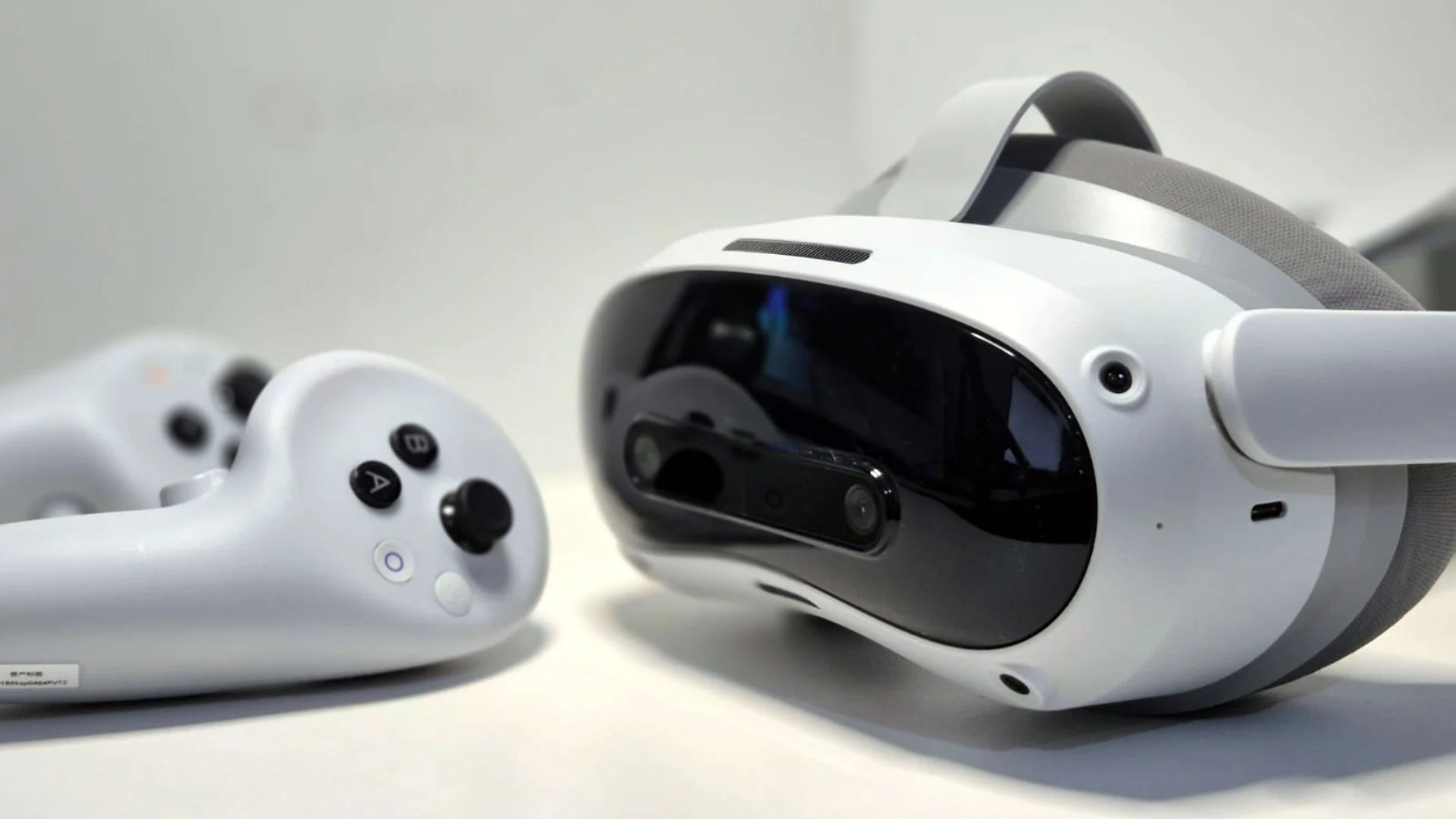
Pico 4 Ultra Review: Powerful Hardware Held Back by Its Ecosystem
The Pico 4 Ultra delivers impressive specs, strong performance, and excellent comfort — but software and ecosystem limitations stop it short of true greatness.
The Pico 4 Ultra represents Pico’s most ambitious standalone VR headset to date. While earlier Pico headsets focused on undercutting competitors on price, the Ultra takes a different approach: premium hardware first. With a flagship chipset, generous RAM, high-resolution displays, and solid mixed reality capabilities, the Pico 4 Ultra is clearly designed to compete directly with Meta’s latest Quest headsets.
In many ways, it succeeds. In others, it highlights the growing importance of software, polish, and ecosystem maturity in modern VR.
Performance That Feels Effortless
At the core of the Pico 4 Ultra is the Snapdragon XR2 Gen 2 chipset, paired with a generous 12GB of RAM. On paper, this already puts it ahead of several competitors — and in real-world use, the performance advantage is easy to feel.
Menus open quickly, apps launch without hesitation, and navigation feels consistently smooth. There’s very little stutter or hitching in normal use, and even more demanding standalone titles maintain stable performance.
This is one of the areas where the Pico 4 Ultra shines most. It feels fast, responsive, and powerful — not like a compromised mobile device, but like a confident standalone VR system.
Sharp, Clean Visuals With Pancake Lenses
The Pico 4 Ultra features displays with a resolution of 2160 × 2160 per eye, paired with pancake lenses. The result is a sharp, clean image that holds up extremely well across games, media, and PC VR streaming.
Text is easy to read, fine details are clear, and edge-to-edge clarity is strong. Glare is well controlled, and the image feels modern and refined compared to older Fresnel-based headsets.
The field of view sits at around 105 degrees, which is solid but not class-leading. It’s immersive enough for most experiences, though users coming from wider-FOV PC VR headsets may notice the difference.
Overall, the Pico 4 Ultra delivers visuals that feel premium and comfortable for long sessions.
Standalone VR Without Constant Compromise
Standalone VR has historically meant sacrificing visual fidelity or performance. The Pico 4 Ultra narrows that gap significantly.
Games benefit from better lighting, smoother frame pacing, and higher-resolution assets compared to older standalone headsets. While it still doesn’t match high-end PC VR, the gap is smaller than ever — and that’s impressive for a fully untethered device.
For newcomers, the Pico 4 Ultra feels anything but entry-level. This is standalone VR that feels confident, capable, and future-facing.
PC VR: One of Its Strongest Use Cases
Where the Pico 4 Ultra truly excels is PC VR.
Thanks to its high-resolution displays, pancake lenses, and strong wireless performance, PC VR streaming looks excellent. Visual clarity is high, compression artifacts are minimal with a good network setup, and motion remains smooth.
For users who primarily play PC VR titles, the Pico 4 Ultra is a compelling alternative to more expensive wired headsets. It offers freedom of movement without sacrificing too much image quality.
This makes it particularly appealing to enthusiasts who want powerful hardware without being locked into a single ecosystem.
Mixed Reality: Good Hardware, Immature Software
The Pico 4 Ultra includes colour passthrough cameras and depth sensing, enabling mixed reality experiences similar in concept to its competitors.
Passthrough quality is generally good. The image is usable, objects are recognisable, and spatial alignment is reasonably accurate. Compared to older generations, it’s a clear step forward.
However, mixed reality on the Pico 4 Ultra still feels underdeveloped. The software lacks polish, and there are fewer compelling MR experiences available. Occasional distortions, grain in low-light environments, and less refined interaction systems remind you that this side of the platform is still evolving.
The hardware is ready — the software simply hasn’t caught up yet.
Comfort and Ergonomics
Comfort is one of the Pico 4 Ultra’s biggest strengths.
The headset uses a balanced design with much of the weight shifted toward the rear, significantly reducing face pressure. This makes long sessions far more comfortable compared to front-heavy designs.
The headset feels light on the face, heat is well managed, and extended use rarely causes discomfort. That said, some users report light leakage around the nose and a face interface that doesn’t feel particularly premium.
Out of the box, comfort is very good — and with minor accessories, it can become excellent.
Controllers and Tracking
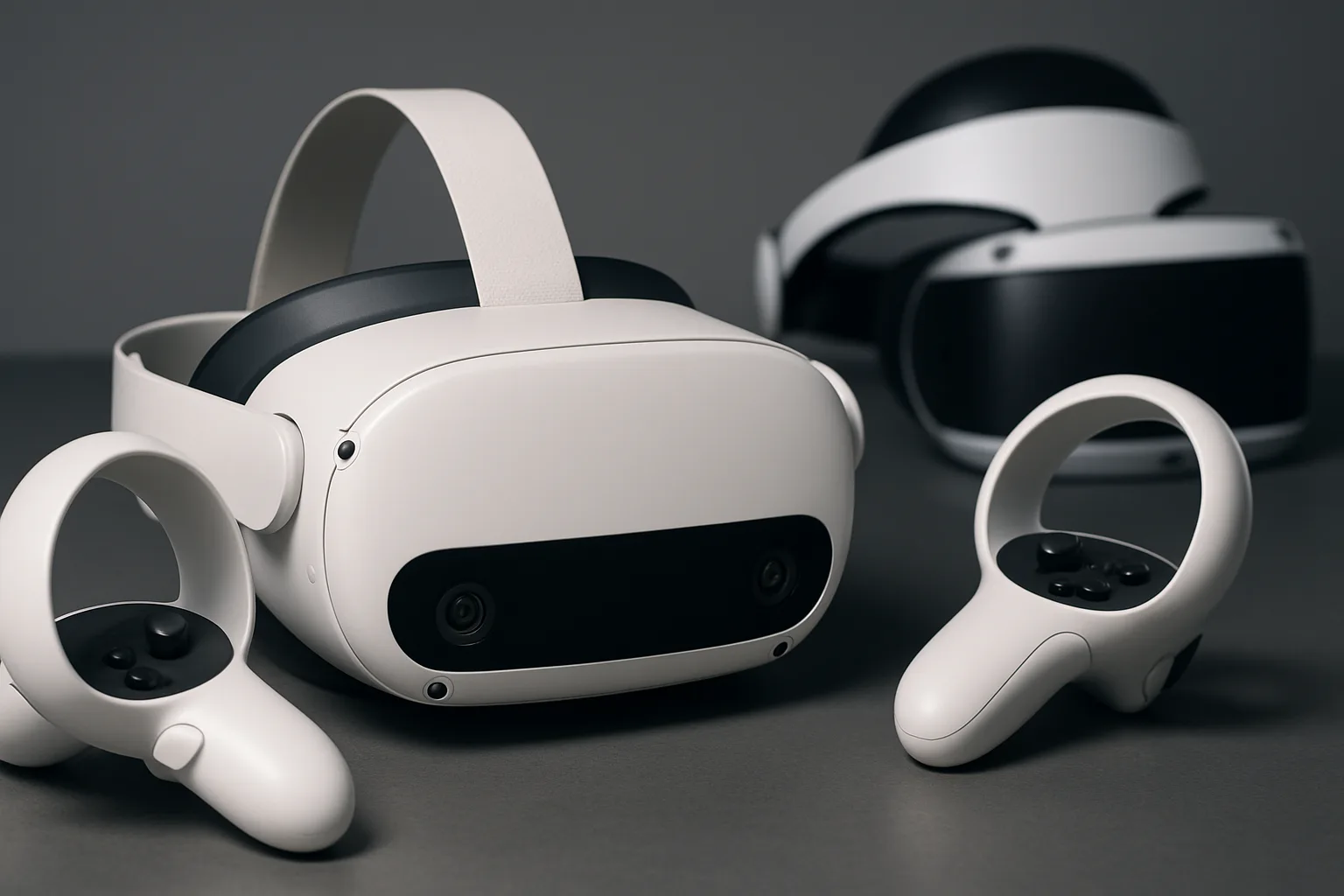
The Pico 4 Ultra’s controllers are familiar in shape and function, offering solid ergonomics and responsive inputs.
Tracking is generally reliable during normal gameplay, with few issues in well-lit environments. That said, tracking consistency and hand tracking accuracy still lag slightly behind the most refined systems on the market.
Hand tracking works, but it’s not something you’ll want to rely on heavily. It feels more like a secondary feature than a core interaction method.
For most games, however, controller tracking is more than good enough.
Audio, Connectivity, and Everyday Use
Built-in audio is serviceable but unremarkable. Sound is clear enough for casual play, but lacks bass and depth. Many users will prefer external headphones — though the lack of a traditional headphone jack limits options.
Connectivity is a bright spot. The Pico 4 Ultra supports modern wireless standards, resulting in stable streaming and low-latency PC VR when paired with a strong network.
Battery life averages around two to two-and-a-half hours, which is respectable given the performance on offer. Power users will still want external battery solutions.
The Biggest Problem: The Ecosystem
For all its hardware strengths, the Pico 4 Ultra is held back by its software ecosystem.
The Pico store is smaller, with fewer exclusives and less frequent high-profile releases. Many of the most popular standalone VR titles either arrive late or not at all.
The interface also feels less refined, with fewer quality-of-life features and less cohesive design than leading competitors.
For users heavily invested in standalone content, this is the Pico 4 Ultra’s biggest weakness.
Who Is the Pico 4 Ultra For?
The Pico 4 Ultra is best suited for:
- Users who prioritise hardware quality and performance
- PC VR players who want a strong wireless headset
- Those looking for a non-Meta alternative
It is less ideal for:
- Users who want the largest standalone game library
- People seeking polished mixed reality experiences
- Players who rely heavily on social VR platforms
Final Verdict
The Pico 4 Ultra is a technically impressive VR headset. Its performance, visual clarity, and comfort rival — and in some cases exceed — its closest competitors.
However, VR in 2026 is no longer just about hardware. Software polish, ecosystem depth, and platform support matter more than ever — and this is where the Pico 4 Ultra struggles to keep pace.
If you value raw hardware power and PC VR performance, the Pico 4 Ultra is an excellent choice. If you want the most complete standalone VR experience, its limitations become harder to ignore.
Rating: 8/10 — Outstanding hardware held back by an ecosystem that still needs time to mature.
Join the discussion below. Sign in to leave a comment or reply.
You need to be signed in before you can leave a comment or reply to the discussion.
Keep exploring
Explore topics →