Children's Hospital of Philadelphia Uses VR to Help Autistic People Practice Police Encounters
A groundbreaking study tests whether VR can provide safe, structured rehearsal for one of life's most unpredictable situations.
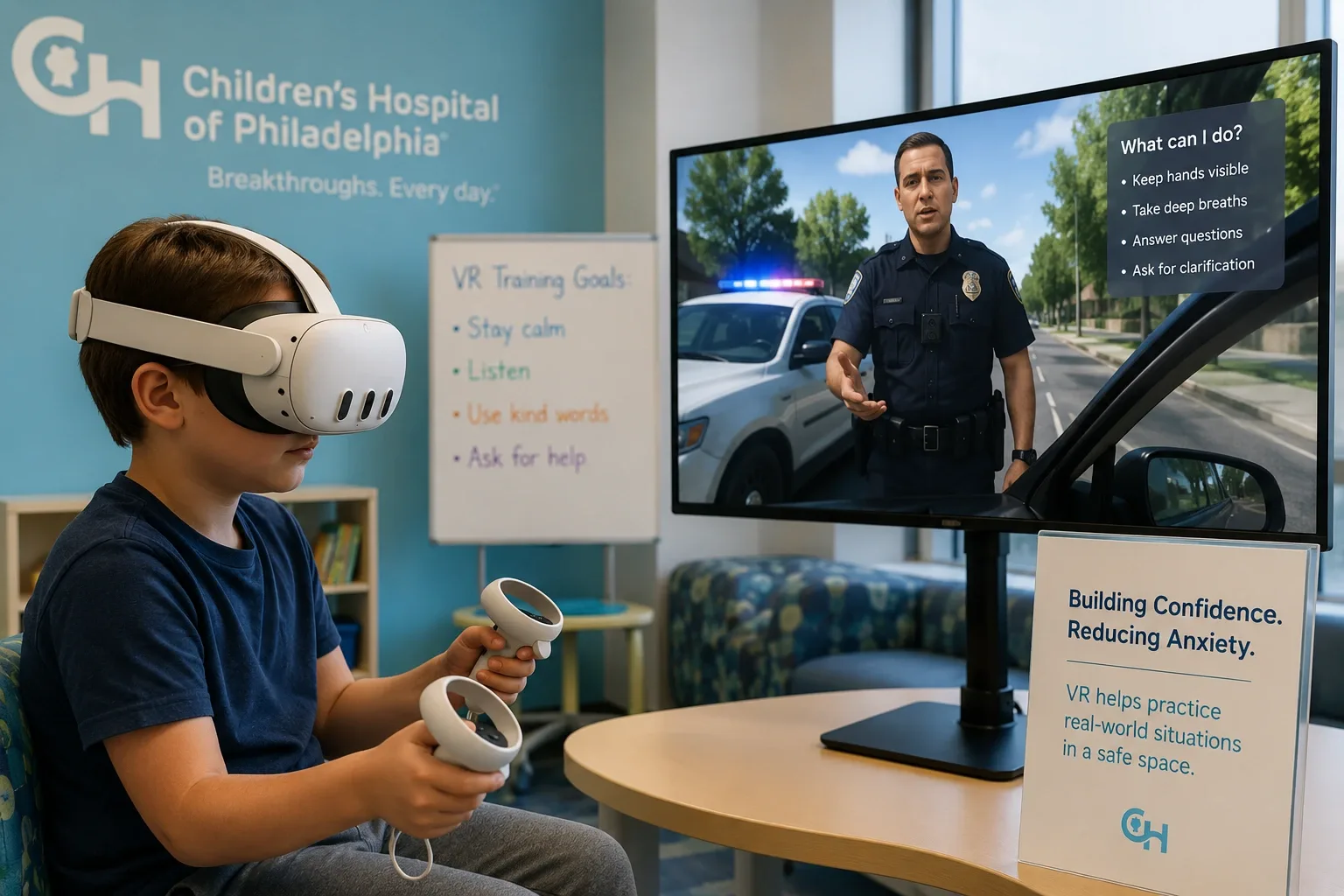
Right, this is genuinely one of the most important VR applications I've come across in a while. Children's Hospital of Philadelphia is testing whether virtual reality can help autistic people practice police encounters in a controlled, safe environment before they face the real thing. And honestly? This is exactly the kind of use case that shows VR's potential beyond gaming and entertainment.
The problem they're tackling is dead simple to understand but nearly impossible to solve through traditional methods: how do you prepare someone for an unpredictable, high-stress interaction with police when there's no safe way to rehearse it? Autistic people often struggle with unexpected social situations, rapid changes in routine, and reading non-verbal cues—all things that can make a police encounter incredibly stressful and potentially dangerous. Until now, there's been no structured way to practice these scenarios without actual risk.
Why VR Makes Perfect Sense Here
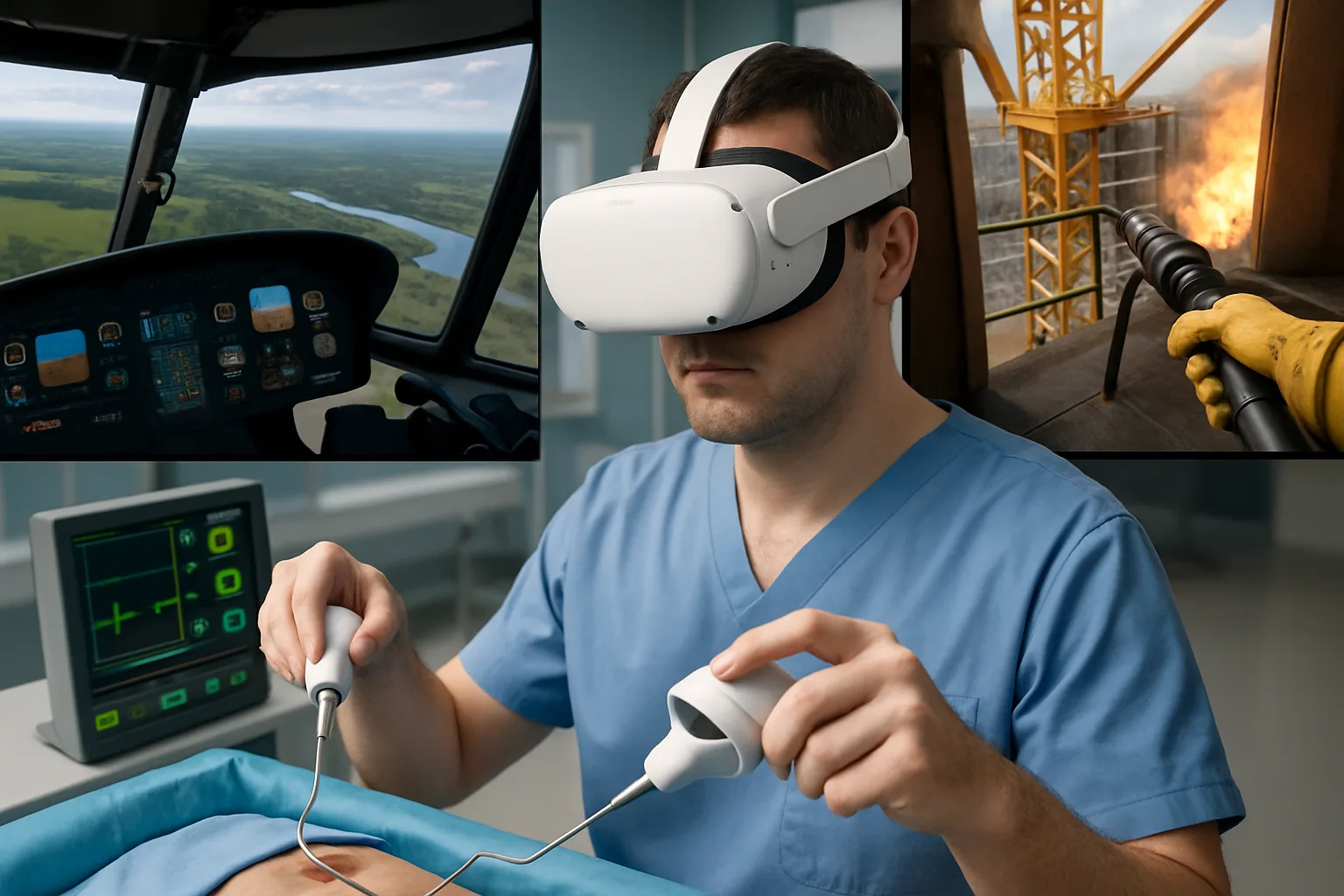
Virtual reality offers something traditional training methods simply can't: repeatable, controlled exposure to realistic scenarios without real-world consequences. Participants can experience the sensory environment of a police stop—the flashing lights, the questions, the presence of an officer—and practice responding appropriately. If something goes wrong, you just reset and try again. No harm done. This kind of safe rehearsal space is absolutely transformative for people who need predictability and practice to feel confident in social situations.
The study is still in testing phases, so we don't have conclusive results yet, but the concept itself is rock solid. VR has already proven effective for exposure therapy, social skills training, and anxiety management. This is just taking that proven approach and applying it to a specific, critical real-world need. While the hospital hasn't specified which headset they're using, this type of application would work perfectly well on accessible consumer hardware like the Meta Quest 3 or even older kit, since you don't need cutting-edge graphics—you need realistic scenarios and repeatable experiences.
The Bigger Picture
What I find most compelling about this is how it demonstrates VR's value beyond entertainment. We've seen loads of medical applications—surgical training, pain management, physical therapy—but this addresses social safety in a way that's never been possible before. If this study shows positive results, it could open the door for VR training in all sorts of challenging social scenarios: job interviews for people with social anxiety, conflict de-escalation training, even rehearsing difficult conversations.
This is the kind of work that makes VR technology genuinely matter. Not just another zombie shooter or fitness app, but a tool that could make life measurably safer and less frightening for people who face daily challenges most of us never think about. I'll be keeping a close eye on how this study develops, because if it works as well as it should in theory, we're looking at a whole new category of VR applications that could help millions of people navigate situations that currently feel impossible to prepare for.
Join the discussion below. Sign in to leave a comment or reply.
You need to be signed in before you can leave a comment or reply to the discussion.
Keep exploring
Explore topics →