Meta Still Betting on VR — Quest 4 Confirmed in Development
Meta Confirms Quest 4 Is Coming Despite Layoffs and Strategy Shift
Meta Confirms Quest 4 Is Coming Despite Layoffs and Strategy Shift
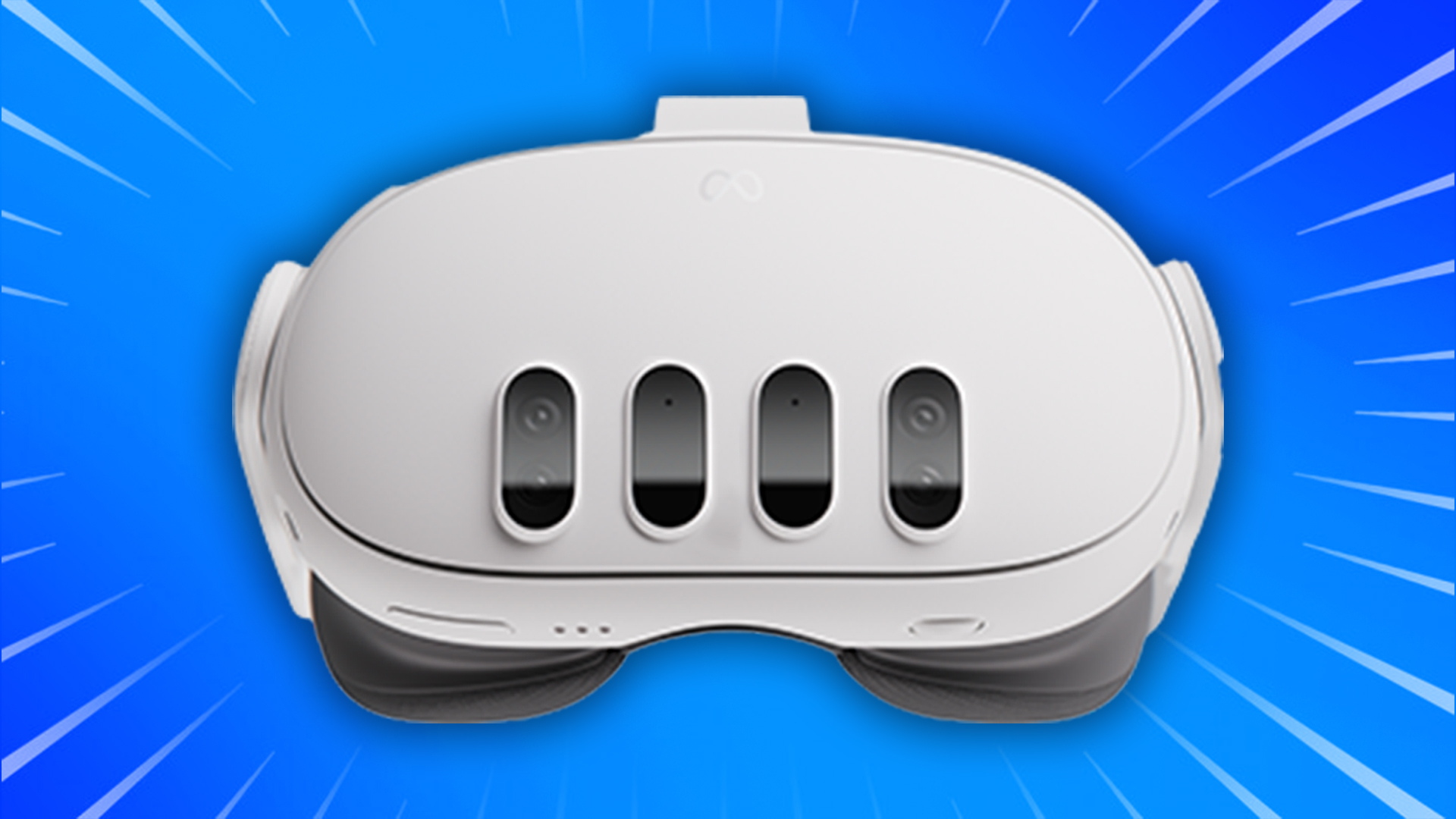
After months of speculation about Meta pulling back from VR, company leadership has now confirmed the next generation of Quest headsets is actively in development.
For much of the past year, the conversation around Meta and virtual reality has been dominated by uncertainty. Layoffs across Reality Labs, the shutdown of certain projects, and the company’s heavy push into artificial intelligence created a growing narrative that Meta might be quietly stepping away from VR.
This week, that narrative changed.
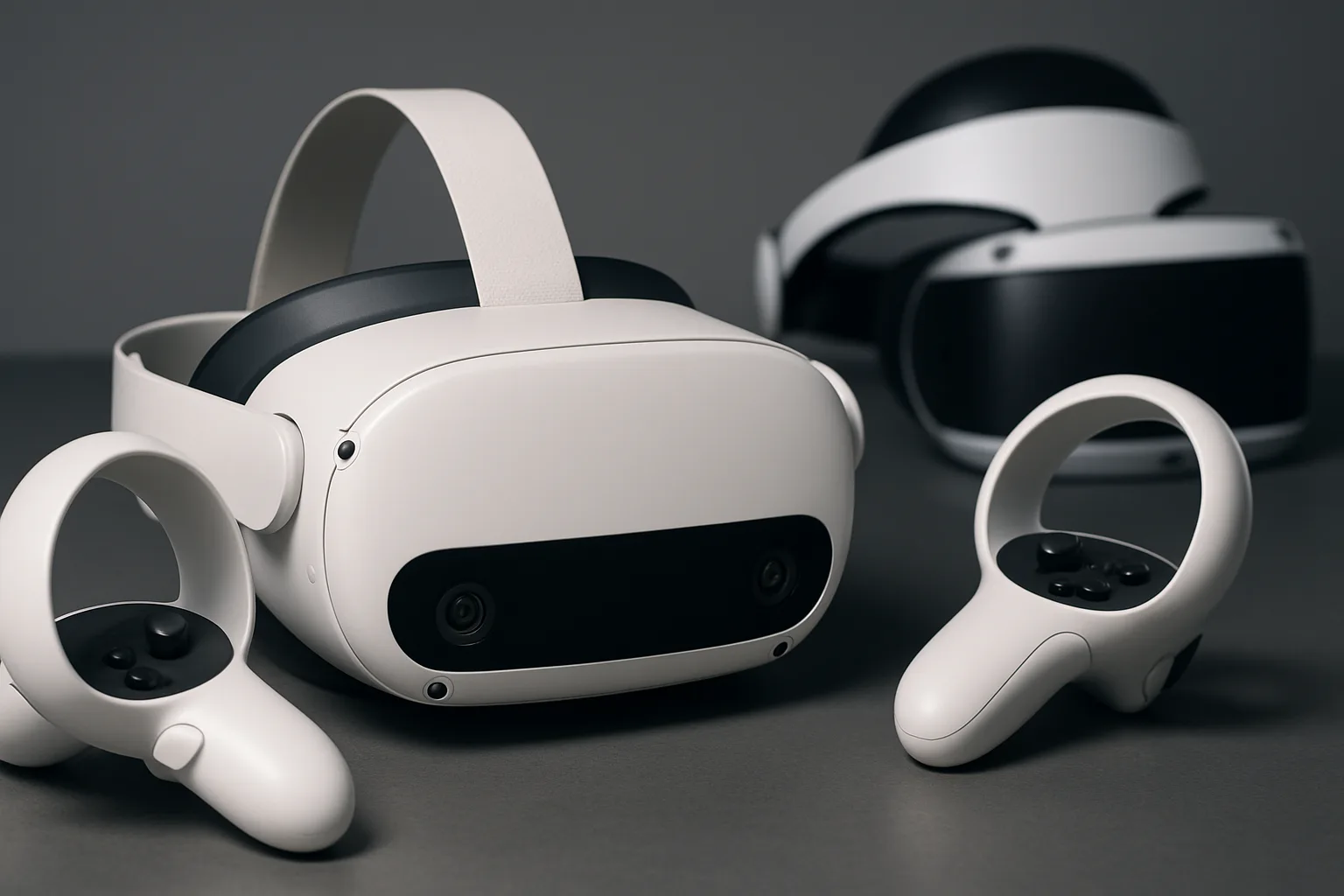
Meta’s Chief Technology Officer Andrew Bosworth confirmed the company is still developing future Quest hardware — including what many expect to become the Quest 4 generation. Rather than abandoning VR, Meta appears to be redefining how it fits into the broader future of computing.
Not Retreating — Repositioning
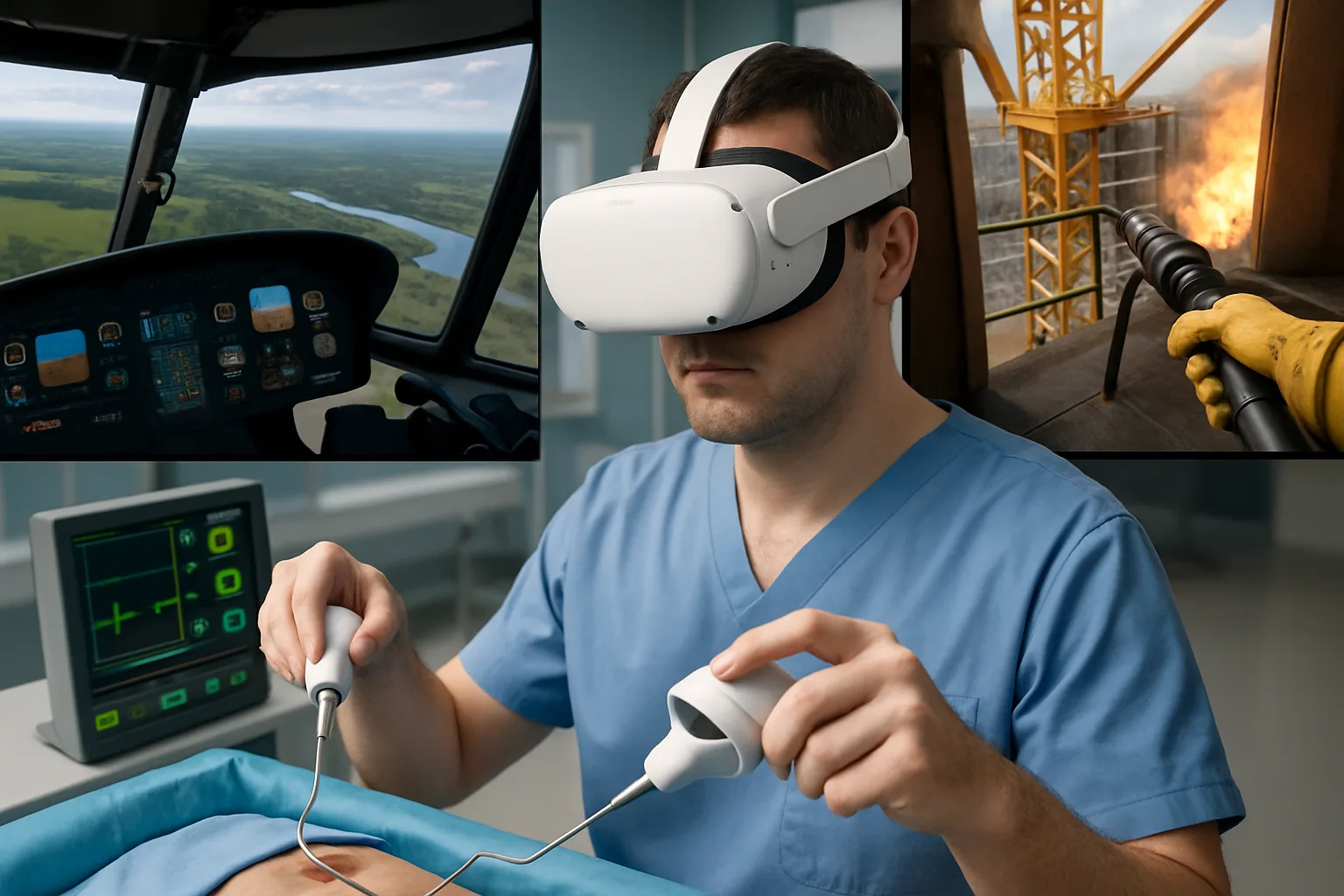
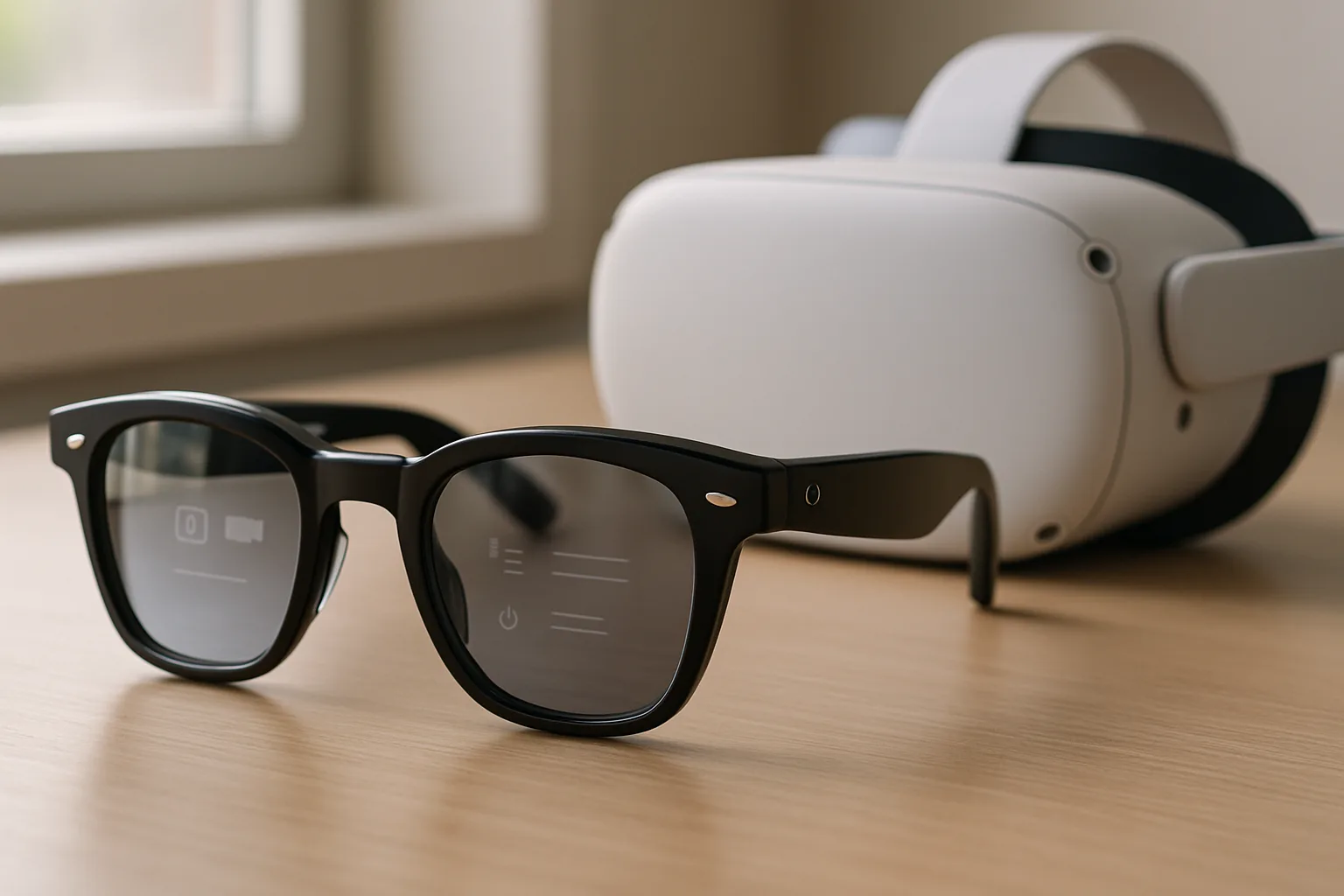
Meta’s messaging has shifted noticeably. Instead of presenting VR as an imminent smartphone replacement, the company now describes immersive technology as part of a wider ecosystem that includes AI assistants, smart glasses, and mixed-reality devices.
This distinction matters. Early metaverse messaging suggested a rapid transition into virtual spaces. The current approach is far more gradual: VR becomes one computing environment among many.
In practical terms, this means Quest headsets are still central — but no longer expected to carry the entire future of Meta’s platform strategy alone.
Why Meta Is Changing Its Tone
Consumer VR adoption has grown steadily, but slower than early forecasts predicted. Headsets remain more complex than phones, sessions are shorter, and not every use case translates into daily habits.
Rather than forcing adoption, Meta is now adapting expectations. The company is investing in long-term infrastructure instead of chasing short-term scale.
This shift also explains the increased focus on artificial intelligence. AI products deliver immediate value across phones, computers, and wearables, while VR adoption depends heavily on hardware comfort, software depth, and social acceptance.
From a business perspective, balancing both technologies reduces risk while keeping the long-term vision alive.
What Quest 4 Likely Represents
While no specifications are confirmed, the next Quest generation is widely expected to continue the trend toward lighter designs, improved mixed reality, and tighter integration with surrounding devices.
The future headset may function less like a standalone gadget and more like a spatial companion to phones, glasses, and AI assistants — switching roles depending on what the user wants to do.
Gaming will remain a major focus, but productivity, media, and communication will likely be treated as complementary experiences rather than replacements for traditional devices.
What This Means for Developers
For creators, Meta’s confirmation removes uncertainty. VR is not being abandoned — it is being stabilised.
A slower, steadier growth curve encourages sustainable development instead of chasing explosive adoption spikes. Studios can build long-term roadmaps rather than reacting to hype cycles.
In many ways, this marks the transition from experimental platform to established ecosystem.
The Bigger Industry Signal
Meta’s change in tone reflects a broader shift across the tech industry. Spatial computing is no longer framed as a sudden revolution. Instead, it is becoming a gradual evolution of existing devices.
VR, AR, and AI are merging into a layered experience rather than competing for dominance.
The Quest line remains part of that future — just not the entire future.
Final Thoughts
The confirmation of ongoing Quest development is less dramatic than early metaverse announcements, but far more important. It signals maturity.
Meta is no longer promising overnight transformation. It is building a platform designed to grow alongside technology and user habits.
VR isn’t ending — it’s settling into its real role.
And the Quest 4 will likely represent the next step in that quieter, more sustainable phase.
Join the discussion below. Sign in to leave a comment or reply.
You need to be signed in before you can leave a comment or reply to the discussion.
Keep exploring
Explore topics →