Google's Live Translation Feature Could Be Android XR's Killer App
Google is reportedly testing a 'Listening area' mode for Live Translate on Android XR, potentially becoming a headlining feature for its upcoming smart glasses.
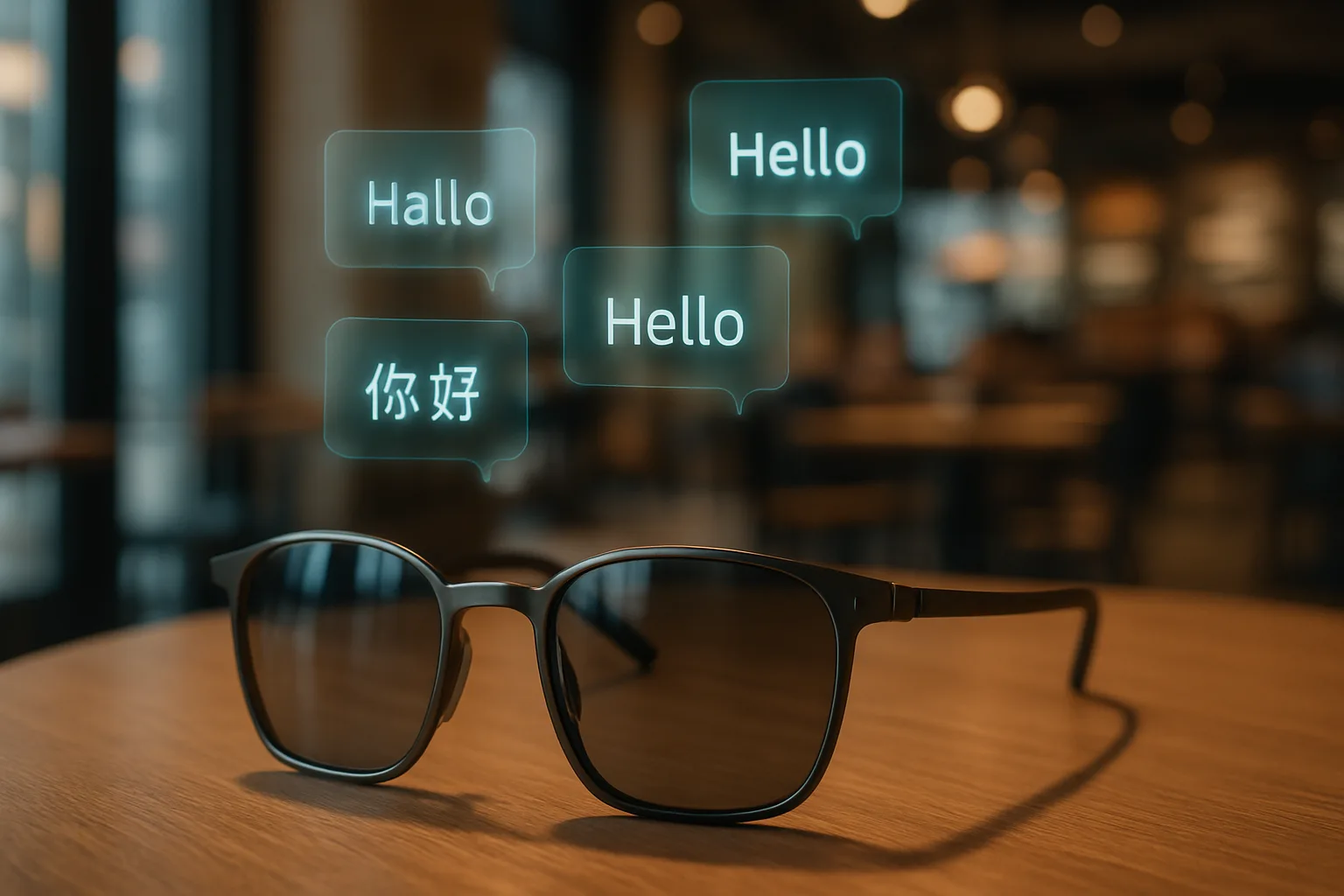
Right, this is the sort of thing that could actually make smart glasses worthwhile for regular people. According to recent reports, Google is testing a new "Listening area" mode for Google Live Translate on Android XR, and it sounds like exactly the kind of practical, everyday feature that could separate their upcoming smart glasses from the competition. We're not talking about gaming here—this is about making XR genuinely useful in real-world situations.
What's the Listening Area Mode Then?
From what we're hearing, this Listening area mode would allow Android XR devices to pick up and translate conversations happening around you in real-time. Think about it: you're sat in a meeting with international colleagues, or you're travelling abroad and need to follow a conversation at a restaurant. Your glasses would translate what's being said without you having to point your phone at people like some sort of numpty. Google's always been decent at translation tech, and bringing it to XR in this ambient way makes a lot of sense.
This isn't entirely new territory for Google—they've been banging on about real-time translations for Android XR since they first announced the platform. But this Listening area mode suggests they're taking it beyond simple one-to-one translations and into something more contextually aware. It's the difference between translating a single conversation and understanding an entire environment. That's genuinely impressive if they can pull it off without draining your battery in twenty minutes.
Why This Actually Matters
Here's the thing: while Meta is focused on making the Meta Quest 3 and Meta Quest 3S brilliant gaming devices (and they are), Google seems to be targeting a different audience entirely with Android XR. This live translation feature is the sort of productivity tool that could justify wearing smart glasses in public without looking like a complete plonker. It's practical. It solves an actual problem that millions of people face regularly.
Samsung's already confirmed they're working on the Samsung Galaxy XR headset using Google's Android XR platform, so we know the hardware is coming. If Google can nail features like ambient translation, spatial computing for productivity, and seamless integration with Android phones, they might actually have something that appeals beyond the VR enthusiast crowd. And let's be honest, that's where the real money is—getting normal people to wear these things.
The Lordsi Take
Look, I'm cautiously optimistic about this. Google has a habit of announcing brilliant features and then either half-arsing the execution or killing the product entirely two years later (RIP Google Glass). But if they commit to Android XR properly, features like this Listening area mode could be genuinely transformative. It's not about replacing your VR headset for gaming—nothing's touching the Quest ecosystem for that—but for everyday augmented reality use cases, this could be the feature that finally makes smart glasses make sense.
The real question is whether Google can deliver a polished, reliable product that doesn't feel like a beta test you've paid £500 for. They've got the software chops, they've got partners like Samsung building the hardware, and they've got a decade of translation technology to build on. Now they just need to not Google it up. We'll be watching closely when these devices actually launch, because if this works as advertised, it could change how we think about wearable XR entirely.
Join the discussion below. Sign in to leave a comment or reply.
You need to be signed in before you can leave a comment or reply to the discussion.
Keep exploring
Explore topics →