Meta Is Shutting Down Horizon Workrooms
Meta has confirmed it will shut down Horizon Workrooms in February 2026, marking a quiet but telling retreat from VR-based remote work and collaboration. The move highlights deeper challenges facing VR productivity and Meta’s shifting priorities.
Meta Is Shutting Down Horizon Workrooms — And It Says a Lot About VR Productivity
Meta has confirmed it will shut down Horizon Workrooms in early 2026, marking a quiet but significant retreat from its vision of VR-powered remote work.
Meta has officially confirmed that it will shut down Horizon Workrooms, its VR-focused collaboration and remote work platform, in February 2026. While the announcement arrived without much fanfare, the implications extend far beyond a single app being retired.
Horizon Workrooms was once positioned as a core pillar of Meta’s vision for the future of work in the metaverse. Its closure signals a major rethink of how — and whether — virtual reality fits into everyday productivity.
What Was Horizon Workrooms?
Horizon Workrooms launched in 2021 at the height of Meta’s metaverse push. The concept was ambitious: replace traditional video calls and remote meetings with shared virtual spaces where colleagues could sit around a table, collaborate, and feel more present together.
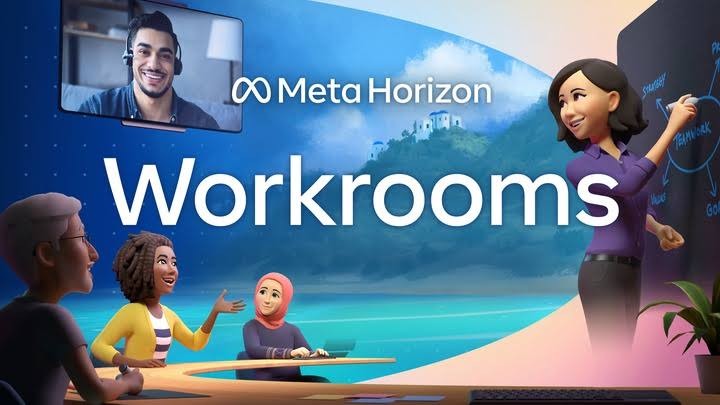
Using a Meta Quest headset, users could join virtual meeting rooms as avatars, see hand tracking and limited facial expressions, share screens, use virtual whiteboards, and even bring their physical keyboard into VR. A companion desktop mode also allowed non-VR users to join meetings from a standard PC.
At the time, Workrooms was framed as a glimpse into a future where remote work felt less isolating and more human — a direct response to the explosion of Zoom and Microsoft Teams usage during the pandemic.
Why Is Meta Shutting It Down?
The short answer is adoption.
Despite multiple updates and refinements, Horizon Workrooms never gained meaningful traction beyond demos, early adopters, and niche enterprise experiments. For most businesses, VR meetings introduced more friction than they removed.
Headsets remain bulky for long work sessions, setup time is non-trivial, and many users found that traditional tools like Zoom, Microsoft Teams, and Slack were simply “good enough” without requiring new hardware, training, or IT overhead.
From Meta’s perspective, continuing to invest heavily in a product that wasn’t scaling made less sense — particularly as Reality Labs continues to burn billions of dollars annually.
Part of a Bigger Reality Labs Pullback
The shutdown of Horizon Workrooms does not exist in isolation. It is part of a broader restructuring within Meta’s Reality Labs division.
Over the past year, Meta has reduced investment in several enterprise-focused VR initiatives, shut down or scaled back internal VR studios, reorganised teams to focus on fewer high-impact projects, and shifted resources toward AI, smart glasses, and lighter mixed reality experiences.
As a standalone productivity platform, Workrooms no longer fits cleanly into Meta’s revised priorities.
What Happens to Existing Users?
Meta has confirmed that Horizon Workrooms will fully shut down in mid-February 2026. After that point:
- The app will no longer be accessible
- Saved rooms, meeting data, and settings will be deleted
- No direct migration path will be offered
Meta is advising users to export or back up anything important ahead of the shutdown date.
For organisations experimenting with VR collaboration, this effectively marks the end of Meta’s first-party solution. While Quest headsets can still be used with third-party tools via desktop streaming, Meta itself is stepping away from owning the productivity layer.
What This Says About VR Productivity
The most important takeaway from this shutdown is what it reveals about the current state of VR as a work tool.
Despite years of hype, VR has not yet proven itself as a practical replacement for everyday office software. While the technology excels in specific scenarios — such as training, simulation, design reviews, and visualisation — it struggles as a general-purpose productivity environment.
Many of the challenges are human rather than technical. Wearing a headset for hours remains uncomfortable for most people. Facial expression and eye contact are still imperfect. Typing and multitasking are slower than on traditional monitor setups. And companies remain hesitant to deploy new hardware at scale.
In short, VR meetings often feel impressive — but not efficient.
Is Meta Giving Up on the Metaverse?
Not exactly — but it is recalibrating.
Shutting down Horizon Workrooms does not mean Meta is abandoning VR or mixed reality. Quest headsets, immersive entertainment, and social experiences remain central to the company’s strategy.
What is changing is the belief that VR must immediately replace real-world workflows like offices and meetings. Instead, Meta appears to be focusing on areas where immersion delivers clear value.
A Broader Industry Signal
Meta is not alone in stepping back from VR productivity. Across the industry, there is growing recognition that the “virtual office” vision was pushed too hard, too quickly.
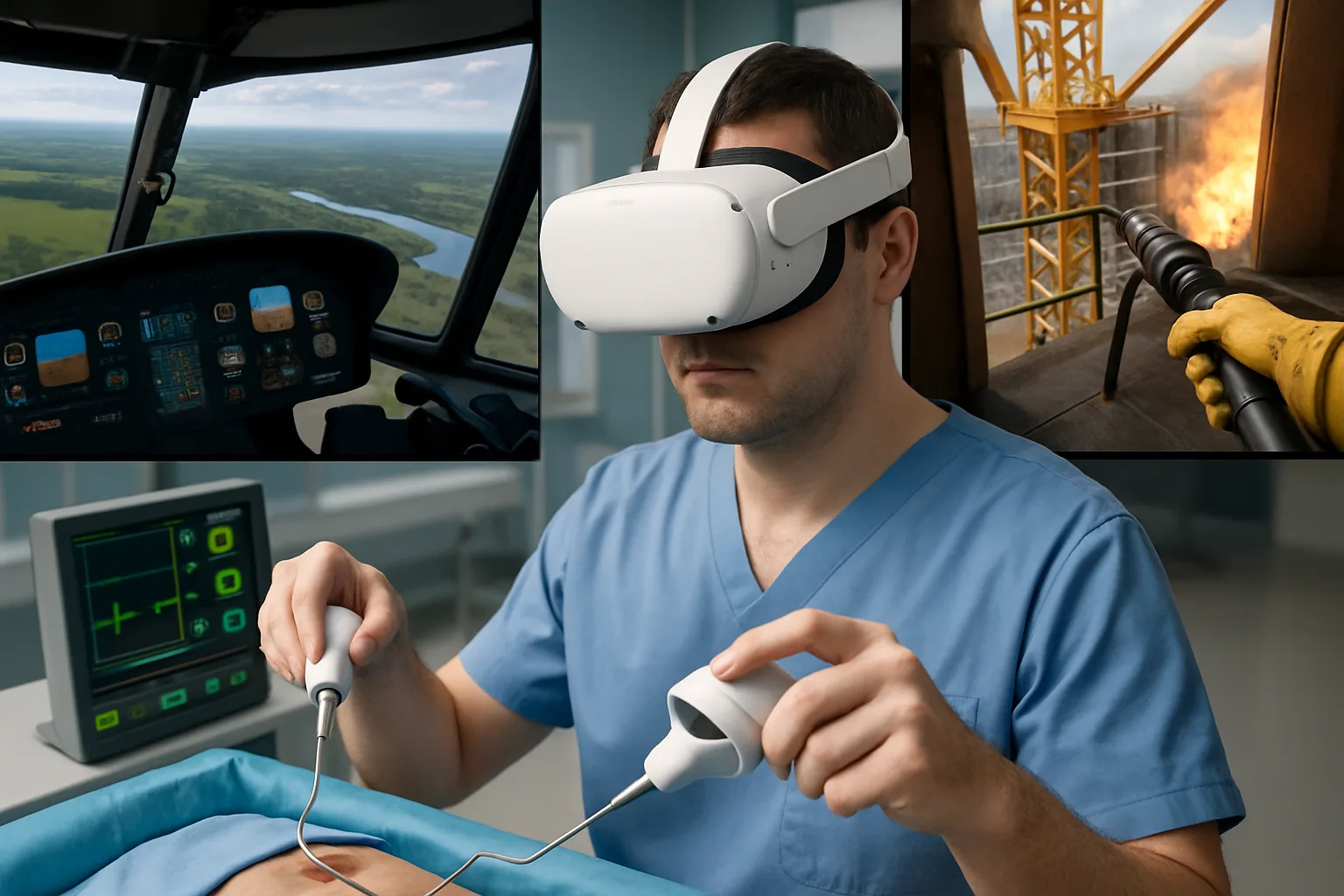
VR’s strengths lie in doing things that cannot be done on a flat screen — training pilots, visualising architecture, rehearsing surgeries — not simply recreating existing tools in 3D space.
Horizon Workrooms shutting down feels less like a failure and more like a course correction.
Final Thoughts
Meta’s decision to retire Horizon Workrooms closes a very specific chapter in VR’s evolution. It is a reminder that not every bold vision translates into a product people want to use every day.
For VR as a whole, this may be a healthy reset. By stepping away from forcing productivity into headsets, Meta can refocus on areas where immersive technology genuinely shines — and where users choose to put the headset on, rather than feel obligated to.
The metaverse isn’t dead — but the virtual office, at least for now, is taking a seat.
Join the discussion below. Sign in to leave a comment or reply.
You need to be signed in before you can leave a comment or reply to the discussion.
Keep exploring
Explore topics →