Meta's Brain AI v2 Promises Telepathic Typing for Speech Impairment
Brain2Qwerty v2 could help people with neurological conditions type with their thoughts using non-invasive brain scanning.
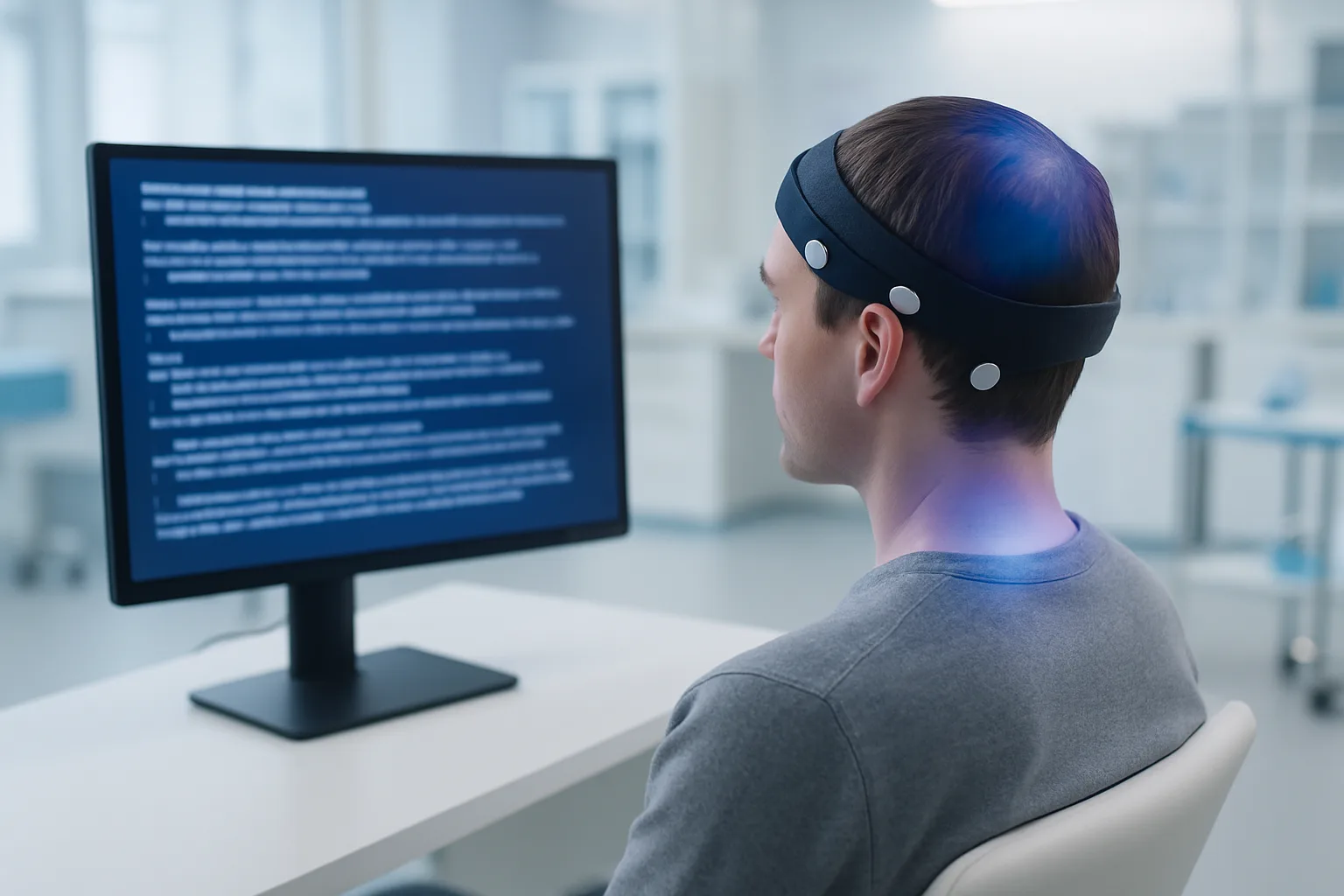
Right, this is proper sci-fi stuff becoming real. Meta's just announced Brain2Qwerty v2, an updated AI system that can decode your brain activity into actual text without needing any surgical implants. We're talking about reading your thoughts and turning them into words on a screen, which sounds absolutely mental until you realise the genuine medical applications here.
The tech uses non-invasive brain scanning – basically fancy sensors that sit on your head rather than being surgically embedded in your skull – combined with AI to figure out what you're trying to say. Meta reckons this could be a game-changer for people dealing with neurological injuries or diseases that mess with their ability to speak. Think ALS, locked-in syndrome, that sort of thing. Version 2 apparently improves on the accuracy and speed of the original system, though Meta's keeping the exact performance metrics close to their chest for now.
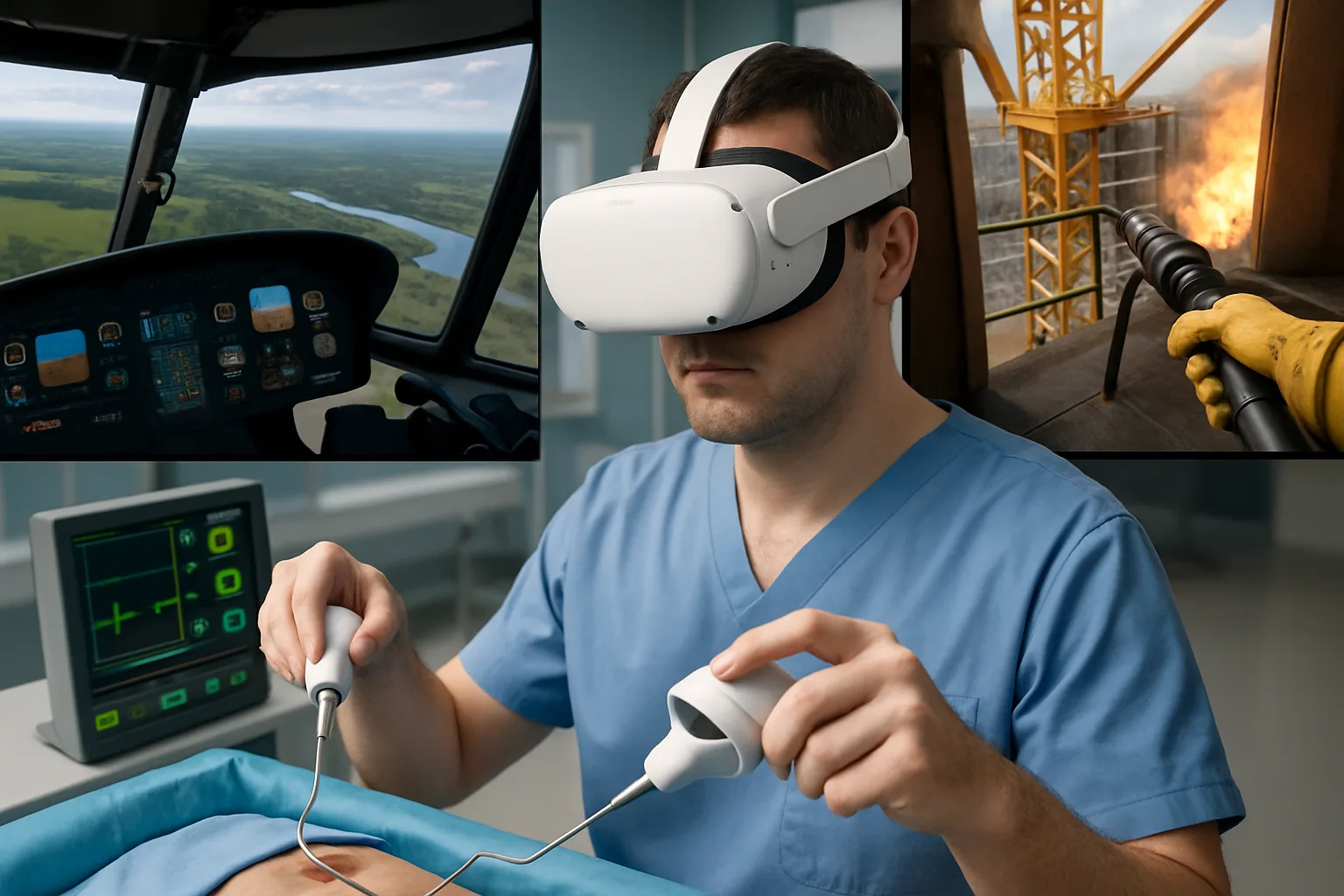
Now, you might be wondering what this has to do with VR. Well, quite a lot actually. Meta's not exactly shy about their long-term vision for brain-computer interfaces working alongside headsets like the Meta Quest 3. Imagine controlling your VR experience purely through thought, or having conversations in the metaverse without speaking out loud. That's the eventual endgame here, though the medical applications are understandably taking priority.
The thing is, while companies like Neuralink are going full Cyberpunk 2077 with surgical implants, Meta's betting on the non-invasive route. It's slower, sure, and probably less accurate than sticking electrodes directly into your grey matter, but it's also not requiring you to have brain surgery. That's a massive difference when you're talking about mainstream adoption. The Meta Quest Pro already showed us Meta's willing to experiment with eye and face tracking – this is just the next logical (if considerably more ambitious) step.
Of course, we're still miles away from this being something you or I could use to send a text message while commuting. The current setup needs proper medical-grade equipment, controlled environments, and a lot of calibration. But the progress from v1 to v2 suggests Meta's serious about pushing this forward. Whether it ends up in future VR headsets or remains purely medical tech, it's fascinating to see where this could go.
The privacy implications are absolutely wild though, aren't they? If a computer can read your thoughts well enough to type them out, that's opening a whole can of worms around data collection and consent. Meta's going to need to be transparent as hell about how this tech handles brain data, especially given their track record with user privacy. Still, for people who've lost the ability to communicate, this could genuinely be life-changing tech. Just don't expect to see it built into the next Quest headset anytime soon.
Join the discussion below. Sign in to leave a comment or reply.
You need to be signed in before you can leave a comment or reply to the discussion.
Keep exploring
Explore topics →