New Dev Tool From Meta Enables AI to Quickly Test Quest Games
Meta's experimental XR Operator tool lets AI agents autonomously build, test, debug, and verify VR apps to speed up Quest game development.
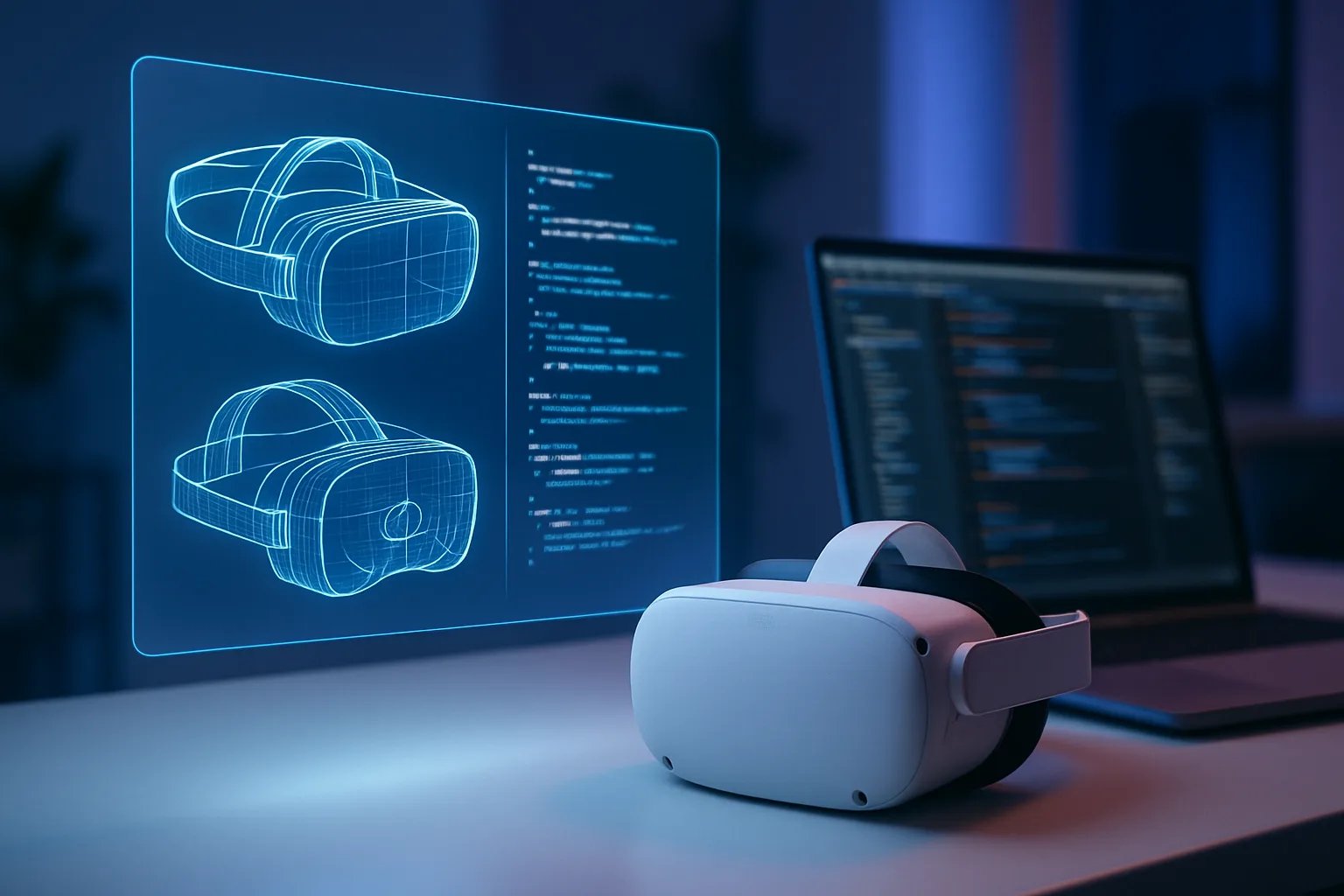
Meta has just rolled out Meta XR Operator, an experimental developer tool that could genuinely shake up how Quest games get made. It's designed to let AI coding agents autonomously build, test, debug, and visually verify VR applications without needing a human developer babysitting every step of the process. Essentially, AI can now crack on with the tedious bits of VR development while developers focus on the creative stuff that actually matters.
What Meta XR Operator Actually Does
Right, so here's the brass tacks. Using AI agents, developers have already been able to speed up code-reading and writing, plus running tests and fixing bugs. But VR development has always had this extra layer of complexity—you can't just test a VR app like a regular mobile game. You need to actually see how it performs in headset, check the visuals, verify interactions work properly, and make sure you're not accidentally making players chuck up their breakfast.
Meta XR Operator tackles this by giving AI agents the ability to autonomously handle the entire development pipeline for Meta Quest 3 and Meta Quest 3S apps. That means the AI can build the app, fire it up in testing environments, run through debugging processes, and even visually verify that everything looks and functions as it should. It's basically like having a very keen intern who never sleeps, never complains, and doesn't need coffee breaks.
Why This Actually Matters for Quest Players
Look, I know "developer tools" doesn't exactly get the pulse racing, but stick with me here. Faster development cycles mean more games, quicker updates, and fewer bugs slipping through to launch. If AI can handle the grunt work of testing and debugging, smaller dev teams—the ones making brilliant indie VR experiences—can compete more effectively with the big studios. That's crucial for a platform like Quest that thrives on variety.
We've seen some absolute corkers from small teams recently, and anything that helps them work faster and smarter is a win for us as players. Whether it's the next quirky simulator or something more substantial, tools like this could mean the difference between a game getting finished or abandoned halfway through development because the team ran out of time or money.
The Bigger Picture: AI in VR Development
Meta's clearly betting big on AI integration across its entire ecosystem, and XR Operator is just another piece of that puzzle. The thing is, VR development is still bloody hard compared to flat-screen gaming. You're dealing with stereoscopic rendering, spatial audio, hand tracking, motion sickness considerations, performance optimization for mobile chipsets—it's a proper headache even for experienced developers.
If AI can legitimately shoulder some of that burden, we might finally start seeing the explosion of VR content that the industry has been promising for years. And let's be honest, Quest needs a steady stream of quality titles to keep people engaged with their headsets rather than letting them gather dust after the initial novelty wears off.
The Lordsi Take
I'm cautiously optimistic about this one. Developer tools that actually work tend to fly under the radar until suddenly everyone's using them and you realize the entire landscape has shifted. Meta XR Operator is experimental right now, so it's not like every Quest game from next month will be AI-assisted, but the potential is definitely there.
What I'm most curious about is whether this will lower the barrier to entry for VR development enough that we see more experimental, weird, and wonderful titles. The Quest store could do with more variety beyond the usual rhythm games and shooters—not that there's anything wrong with Beat Saber or the like, but you know what I mean.
The flip side? AI-assisted development could lead to a flood of low-effort shovelware if not properly managed. But assuming Meta keeps quality standards in check, this could be genuinely good news for anyone who wants to see more ambitious VR projects actually make it to market. Time will tell whether XR Operator becomes an essential part of the Quest development toolkit or just another experimental feature that quietly fades away. For now, it's one to watch.
Join the discussion below. Sign in to leave a comment or reply.
You need to be signed in before you can leave a comment or reply to the discussion.
Keep exploring
Explore topics →