Snap Is Betting Big on AR Glasses
After years of quiet development, Snap is splitting off its AR division — and 2026 could be the turning point.

Snap Spins Off AR Glasses Division, Signalling Major Push Into Wearable Tech
The company behind Snapchat is doubling down on augmented reality, separating its smart glasses efforts into a standalone business unit ahead of an expected consumer push.
Snap has officially spun off its augmented reality glasses division into a standalone business unit, marking one of the company’s most ambitious moves yet in immersive technology. Best known for Snapchat, Snap has quietly invested in AR hardware and software for more than a decade — often operating well outside the spotlight compared to larger competitors.
The decision to separate the AR glasses team signals growing confidence in both the maturity of the technology and its long-term market potential. By creating a dedicated division, Snap can move faster, attract specialised investment, and focus entirely on wearable AR without competing priorities from its core social media platform.
Why the Spin-Off Matters
Spinning off the AR glasses division allows Snap to treat wearable technology as a first-class product category rather than an experimental side project. As a standalone unit, the team can streamline decision-making, scale research and development, and pursue partnerships that may not have aligned cleanly with Snap’s core advertising-driven business.
This move also sends a clear message to investors and the wider tech industry: Snap believes augmented reality glasses are moving out of the experimental phase and closer to real consumer viability.
The Evolution of Snap’s Spectacles
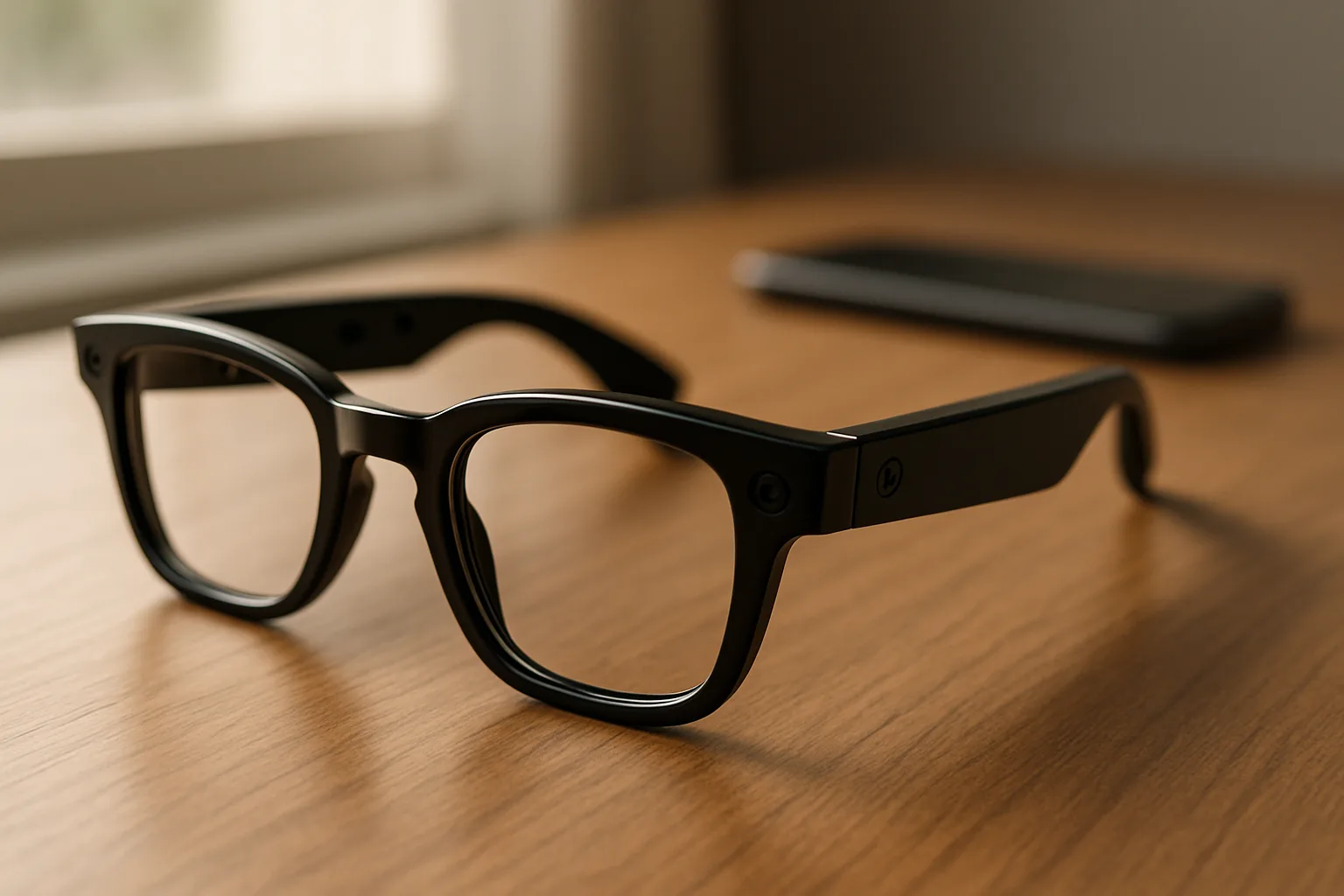
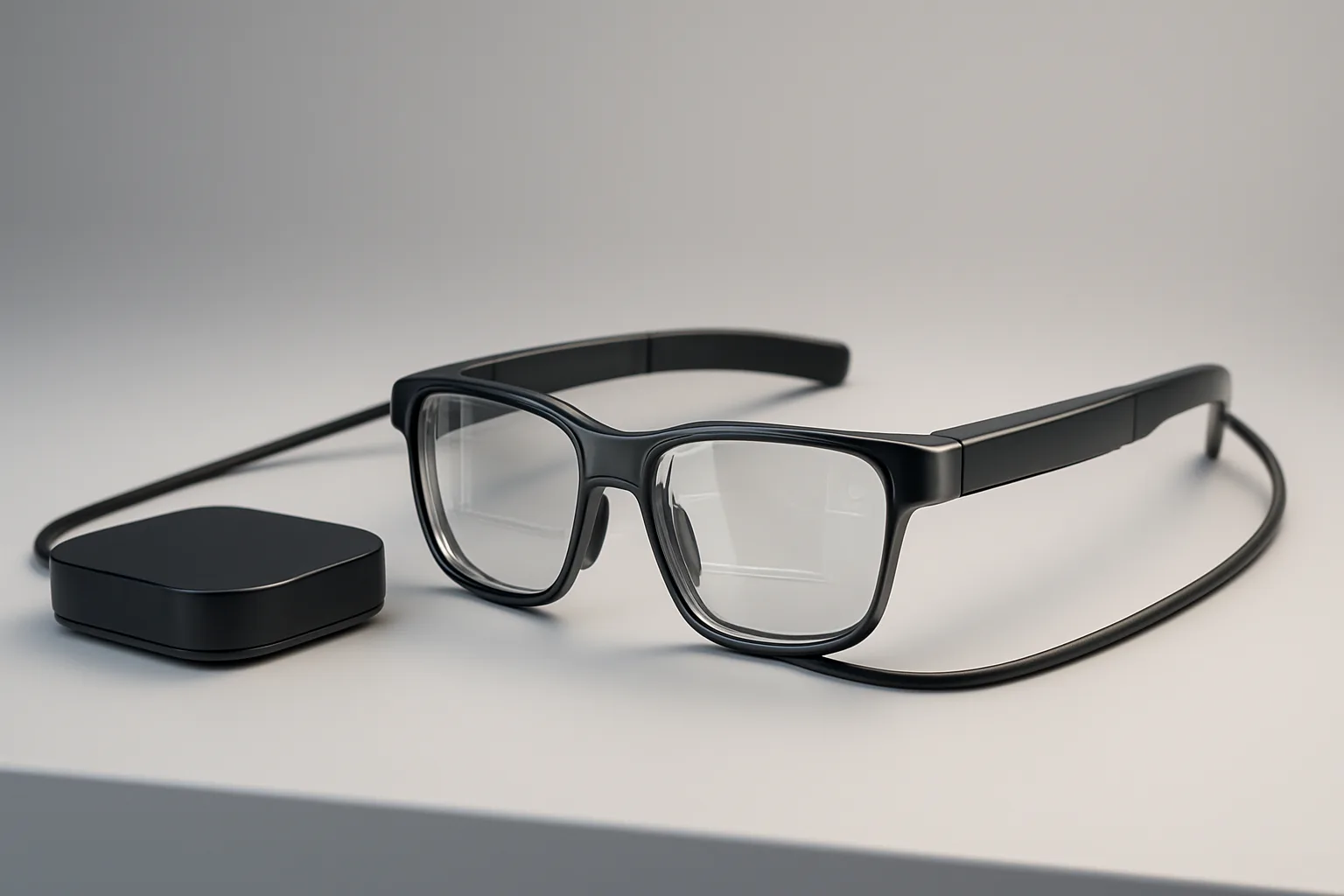
Snap’s Spectacles project has gone through multiple iterations over the years, each one refining display quality, comfort, battery life, and interaction methods. While early versions focused largely on camera-based capture, later generations leaned more heavily into true augmented reality experiences.
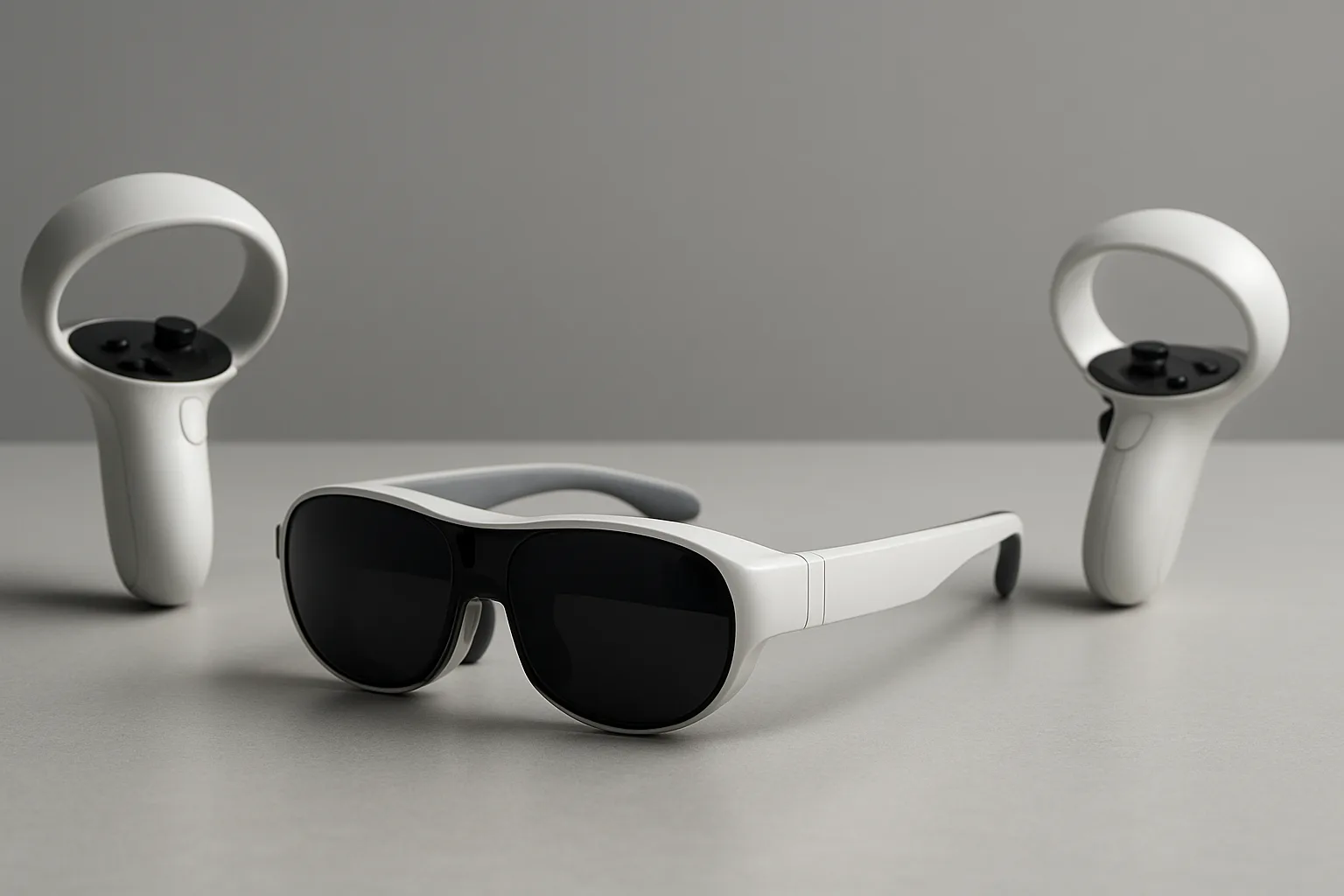
Unlike virtual reality headsets, which prioritise full immersion, Snap’s AR approach focuses on lightweight, socially acceptable wearables designed for everyday use. The goal is not to isolate users from the world around them, but to enhance reality by layering digital content directly onto it.
This design philosophy aligns closely with how Snap already engages its audience — quick interactions, creative expression, and real-time sharing.
Everyday AR, Not Headset VR
Snap’s vision for AR glasses is fundamentally different from traditional VR hardware. Rather than requiring users to set aside time for immersive sessions, AR glasses are designed to be worn throughout the day.
Notifications, contextual information, creative effects, and social interactions can all exist alongside the real world. This makes AR glasses potentially far more accessible to mainstream users than VR headsets, which still face barriers around comfort, convenience, and social acceptance.
By focusing on enhancement rather than immersion, Snap is targeting a different — and potentially much larger — segment of the market.
Positioning for a 2026 Consumer Push
Industry analysts widely view this spin-off as preparation for a broader consumer AR glasses launch, potentially as early as 2026. With major players like Apple, Meta, and Google all pursuing their own AR eyewear strategies, competition in the space is intensifying.
Snap’s advantage lies in experience rather than scale. Years of building AR lenses, creator tools, and social features have given the company deep insight into how people actually use augmented content.
This integration with creators and social expression could help Snap differentiate its glasses from more productivity- or enterprise-focused AR solutions.
A Broader Industry Shift
The spin-off also reflects a wider trend across the immersive technology sector. AR and VR are no longer being treated as experimental technologies — they are increasingly positioned as next-generation computing platforms.
As a result, companies are restructuring internally to support longer-term development cycles, clearer product roadmaps, and more focused investment strategies. Snap’s move mirrors similar shifts across the industry as immersive hardware edges closer to mainstream relevance.
What Success Would Look Like
If successful, Snap’s AR glasses could redefine how people capture, share, and interact with digital content in real time. Moments could be recorded hands-free, digital effects could appear naturally in the world, and social interactions could extend beyond screens.
Of course, challenges remain. Battery life, display clarity, comfort, and pricing will all play critical roles in determining whether AR glasses can break through to mass adoption.
Still, by separating its AR ambitions into a focused standalone division, Snap is making one thing clear: it believes wearable augmented reality is ready for its next phase.
If the gamble pays off, Snap may end up shaping how everyday AR enters the mainstream.
Join the discussion below. Sign in to leave a comment or reply.
You need to be signed in before you can leave a comment or reply to the discussion.
Keep exploring
Explore topics →