Meta Quest 3 | Honest Review
Meta Quest 3 | an honest unbiased review
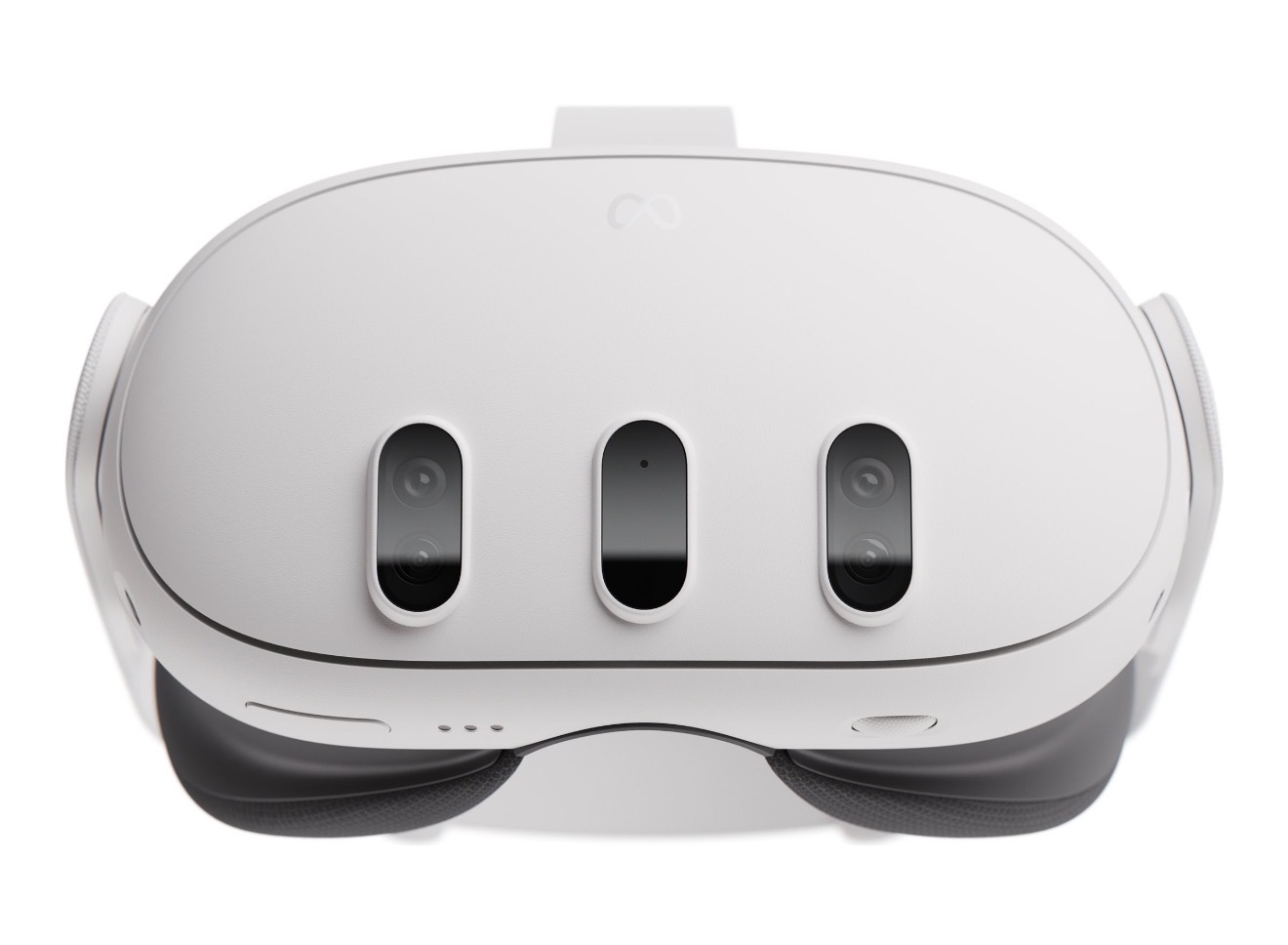
Meta Quest 3 Review: A True Next-Generation Leap
The Quest 2 helped bring VR into the mainstream. The Quest 3 doesn’t reinvent that formula — it perfects it.
The Meta Quest 2 was already one of the most important VR headsets ever made. It lowered the barrier to entry, made standalone VR viable, and introduced millions of people to immersive experiences for the first time. The Meta Quest 3 builds directly on that foundation, upgrading nearly every core pillar of the experience rather than starting from scratch.
At the heart of the headset is the Snapdragon XR2 Gen 2 chip paired with 8GB of RAM. In real-world use, the difference is immediately noticeable. Menus open faster. Apps launch quicker. Navigation feels fluid and responsive in a way the Quest 2 never quite achieved. This isn’t a benchmark-only improvement — it’s something you feel within minutes of putting the headset on.
Visual Clarity Takes a Huge Step Forward
The Quest 3’s display resolution jumps to 2064 × 2208 per eye, and when combined with the new pancake lens system, the clarity boost is dramatic. Text is noticeably sharper, environments look more detailed, and edge blur — a long-standing issue with Fresnel lenses — is drastically reduced.
Light glare, which was a common annoyance on older headsets, is almost entirely gone. The image feels cleaner, more modern, and far easier on the eyes during long sessions. The headset also offers a roughly 110° horizontal field of view, which enhances immersion and makes virtual environments feel more open and natural.
While vertical field of view hasn’t seen a massive increase, the overall visual presentation is a clear step up. Once you experience the Quest 3 after using a Quest 2, it becomes surprisingly difficult to go back.
Standalone VR That Actually Feels Powerful
Standalone VR has always involved compromise. With the Quest 3, that compromise is shrinking fast.
Games benefit from improved lighting, higher-resolution textures, and more complex environments. Side-by-side comparisons with Quest 2 versions of the same titles highlight just how much extra headroom the new chipset provides. The experience feels smoother, more stable, and far closer to what users expect from premium hardware.
If you’re coming from high-end PC VR, you’ll still notice differences — but remembering that all of this is running on a portable, untethered headset is genuinely impressive. This performance leap makes the Quest 3 an excellent entry point for newcomers. You’re not buying into a “starter” device — you’re buying something that feels premium and future-ready.
PC VR: A Jaw-Dropping Upgrade
For PC VR users, the Quest 3 becomes even more compelling.
Thanks to the higher resolution, pancake lenses, and improved performance pipeline, PC VR content looks phenomenal. Titles like Half-Life: Alyx feel incredibly close to native PC VR headsets that cost significantly more. Compression artifacts are reduced, clarity is improved, and motion feels smoother overall.
For long-time Quest 2 users who rely on PC VR, this upgrade alone can justify the jump. It transforms the headset from “good enough” into something genuinely stunning.
Mixed Reality: Promising, but Not Perfect
Mixed reality is Meta’s headline feature this generation, and it’s easy to see why. The full-colour passthrough is a major improvement over both the Quest 2 and Quest Pro.
Room scanning works well, allowing you to define real-world objects for mixed reality interactions. Watching virtual content blend into your environment feels exciting and futuristic. The included alien demo — where a spaceship tears through your walls — is a fantastic showcase of what mixed reality can become.
That said, expectations matter. Passthrough isn’t crystal clear. There’s occasional warping around hands and objects, visible grain in low-light environments, and some colour inconsistencies. Looking out of windows can cause depth confusion that feels slightly unnatural.
These aren’t dealbreakers, but they do remind you that this is still early-generation mixed reality. Despite the flaws, the feature is transformative. Being able to grab your phone, check your surroundings, or interact with your space without removing the headset quickly becomes something you don’t want to give up.
Comfort and Build Quality
The Quest 3 feels premium from the moment you put it on. It’s around 40% thinner than the Quest 2, and the improved weight distribution significantly reduces face pressure.
The infamous “panda face” imprint common with older headsets is far less noticeable. However, the default strap and facial interface still aren’t ideal for long sessions. After an hour or so, irritation can creep in.
Enthusiasts should strongly consider upgrading the strap and facial interface. With accessories, comfort improves dramatically. The slimmer profile isn’t just cosmetic — it genuinely helps with balance and reduces strain during extended play.
Controllers and Tracking
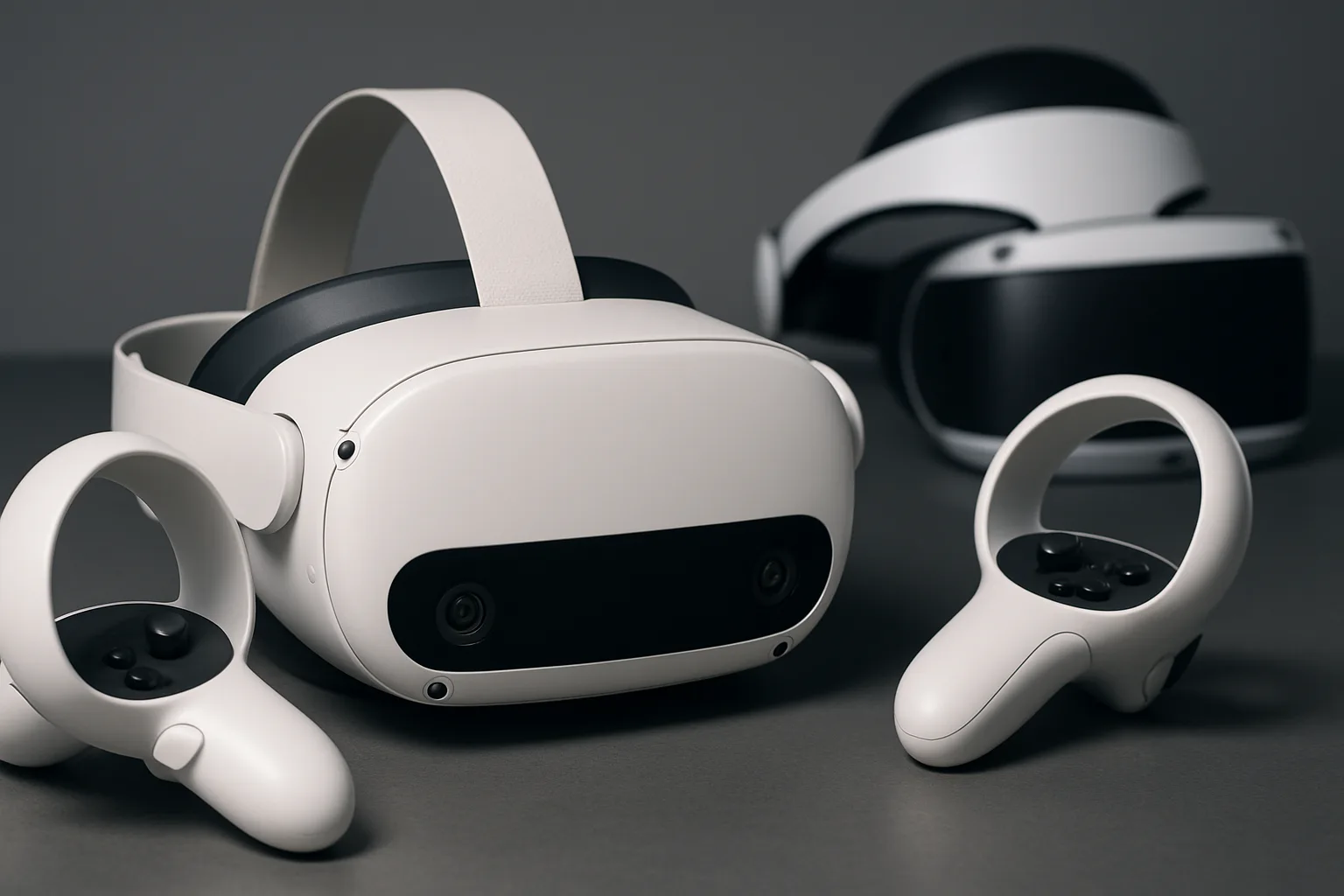
The new Touch Plus controllers ditch the traditional tracking rings while retaining a familiar feel. Meta didn’t try to reinvent what already worked — instead, it refined it.
Haptics are stronger and more precise, adding subtle feedback that improves immersion. The redesigned battery compartment, featuring a simple button release, is a small but welcome quality-of-life improvement.
Tracking is excellent across the board. Hand tracking is faster and more reliable, even in lower-light conditions. Upper-body prediction helps maintain controller tracking when they briefly leave camera view, resulting in one of the most stable tracking systems Meta has shipped.
Audio, Connectivity, and Everyday Use
The built-in speakers are louder and slightly richer than those on the Quest 2. They’re perfectly usable for casual play and media, though dedicated headphones still provide the best immersion.
Microphone quality is strong, making multiplayer communication clear and reliable. Wi-Fi 6E support is an underrated upgrade, offering more stable connectivity at range — especially useful for streaming and PC VR. Bluetooth 5.2 pairing works reliably with wireless earbuds.
Thermally, the Quest 3 runs warmer than the Quest 2 due to its compact design, but heat management is effective. You’ll feel warmth on the front shell rather than your face, and the internal fan keeps temperatures under control.
Battery life averages around two hours. Considering the performance jump, matching Quest 2 endurance is impressive, though heavy users will still want external battery solutions.
Storage Options: Is 128GB Enough?
For most users, the 128GB model is sufficient. Many Quest titles are relatively small, and only the largest releases push into the 30–40GB range.
The 512GB version is primarily about convenience, reducing the need to uninstall games. If you rely heavily on PC VR or rotate your library regularly, 128GB remains a very workable option.
Final Verdict
The Meta Quest 3 is a textbook example of how to evolve a successful product. It improves visuals, performance, comfort, and features without pushing the price into unreasonable territory.
Mixed reality still has growing pains, but its potential is obvious. Standalone VR is faster and sharper. PC VR looks stunning. Tracking is excellent. Controllers feel refined. The ecosystem is massive.
At $499, the Quest 3 hits a rare sweet spot between affordability and cutting-edge technology. For newcomers, it’s the best first VR headset on the market. For Quest 2 owners, the upgrade feels meaningful and future-focused.
Rating: 9/10 — A next-generation headset that sets a new standard for consumer VR.
Join the discussion below. Sign in to leave a comment or reply.
You need to be signed in before you can leave a comment or reply to the discussion.
Keep exploring
Explore topics →