Children's Hospital Uses VR to Help Autistic People Rehearse Police Encounters
Children's Hospital of Philadelphia is testing VR training to help autistic individuals practice high-stakes police interactions safely.
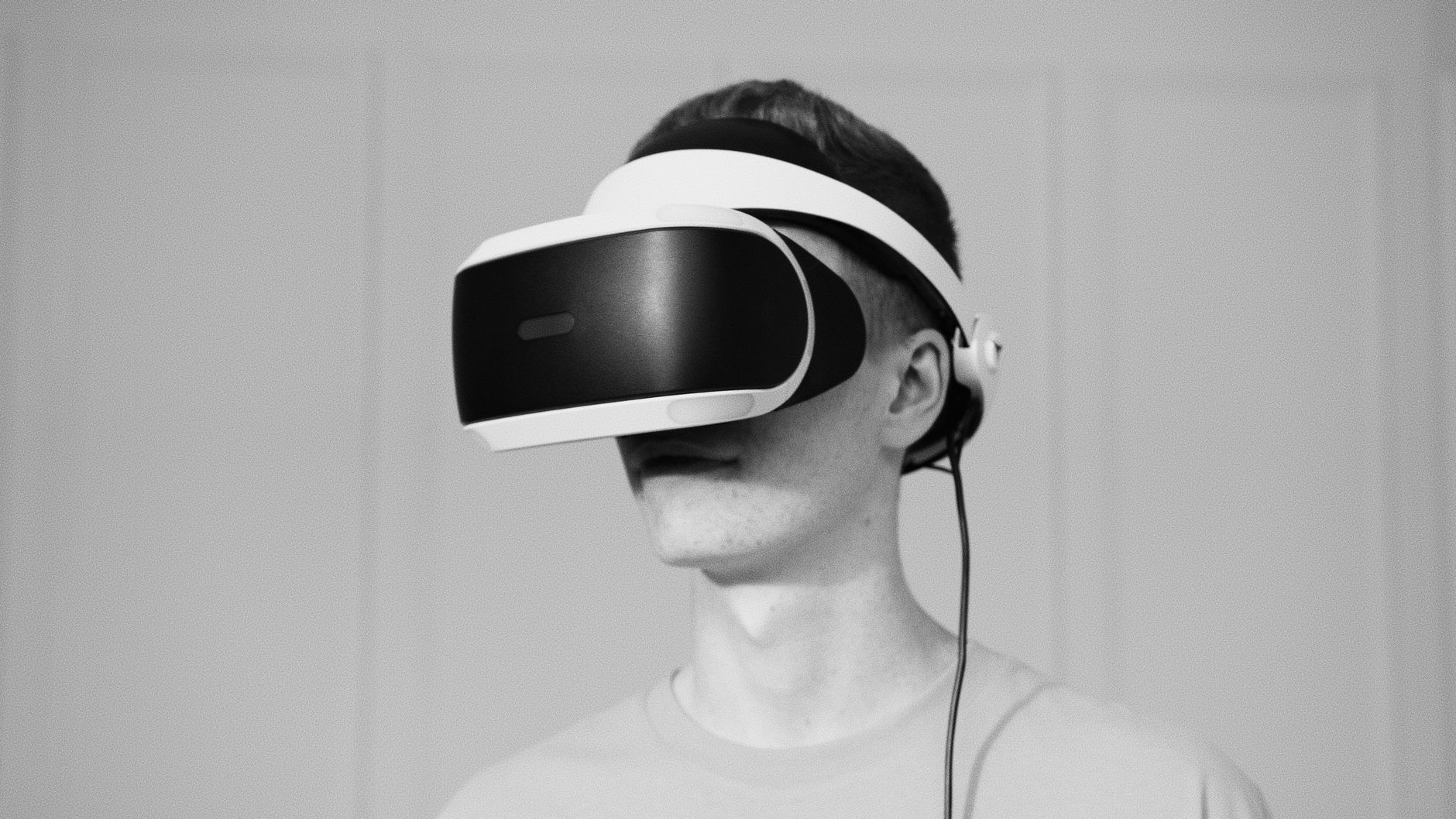
Here's something that properly showcases VR's potential beyond gaming – the Children's Hospital of Philadelphia is running a study using virtual reality to help autistic people prepare for police encounters. It's one of those applications that makes you sit back and think 'yeah, this is what VR should be doing.'
The programme tackles a genuinely difficult problem: police interactions are unpredictable, high-stakes situations that autistic individuals often struggle with, and there's simply no safe way to rehearse them in the real world. Get it wrong and the consequences can be serious. The hospital's VR system creates a controlled environment where people can practice these scenarios repeatedly, learning what to expect and how to respond without any real-world risk.
Why This Actually Matters
What makes this particularly clever is that VR solves a problem that's basically impossible to address any other way. You can't exactly ask police officers to run through practice stops with every autistic person who might need the training. Role-playing doesn't come close to the stress and sensory overload of an actual encounter. But with a Meta Quest 3 or similar headset, you can create realistic scenarios that feel genuine enough to be useful training, whilst being completely safe if things go sideways.
The programme allows participants to experience various types of police interactions – traffic stops, street encounters, questioning – and learn appropriate responses. They can practice maintaining eye contact (or explaining why they can't), following instructions, and managing the anxiety that comes with these situations. More importantly, they can fail safely and try again, which is the whole point of training.
VR's Growing Role in Healthcare
This isn't the first time we've seen VR making waves in medical applications. Avatar Medical recently got FDA clearance for VR surgical planning, showing that healthcare professionals are increasingly taking the technology seriously. What's different here is that it's focused on social training rather than medical procedures – using VR's ability to create repeatable, controllable scenarios for psychological and behavioural preparation.
The Children's Hospital study is still ongoing, so we don't have final results yet on how effective the training actually is. But the logic is sound: if VR can help train surgeons and pilots, why not use it to prepare vulnerable people for difficult social situations? The technology's already there – most modern headsets like the PlayStation VR2 or even older kit can handle these scenarios without issue.
The Bigger Picture
This is the sort of VR application that deserves more attention and funding. Gaming is brilliant and all, but when you see the technology being used to genuinely improve people's lives and safety, it puts everything else in perspective. If this study shows positive results, you could see similar programmes rolled out for other challenging social scenarios – job interviews, medical appointments, public speaking – situations where practice makes a real difference but opportunities to rehearse safely are limited.
Fair play to Children's Hospital of Philadelphia for recognizing what VR can do here. This is proper innovative use of the technology, and exactly the kind of real-world application that'll help VR shake off its 'just for gaming' reputation.
Join the discussion below. Sign in to leave a comment or reply.
You need to be signed in before you can leave a comment or reply to the discussion.