LetinAR Secures $18.5M to Scale Smart Glasses Optical Tech
Korean optical tech company LetinAR raises $18.5M to mass-produce lightweight AR glasses components that could finally make smart specs practical.
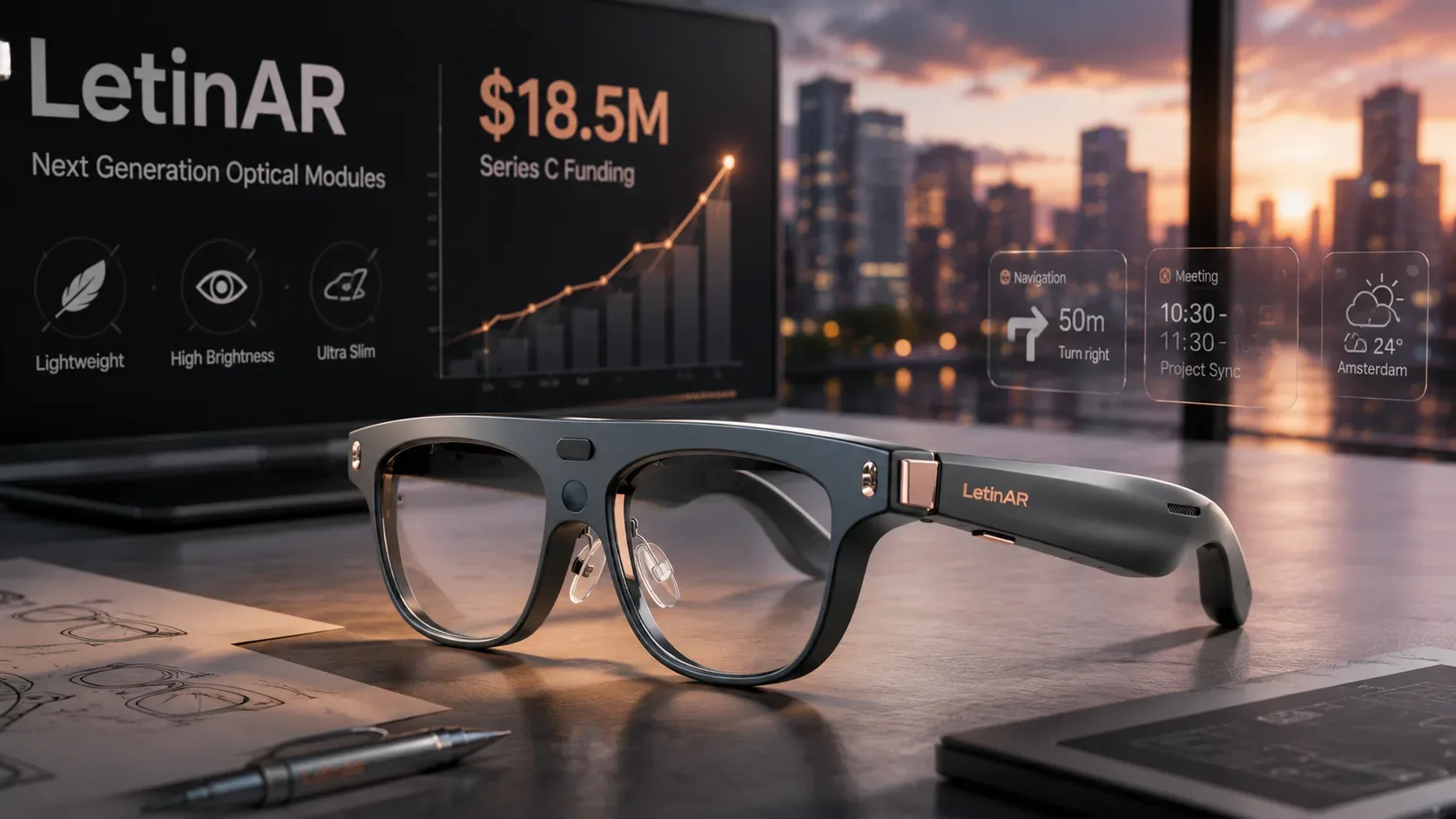
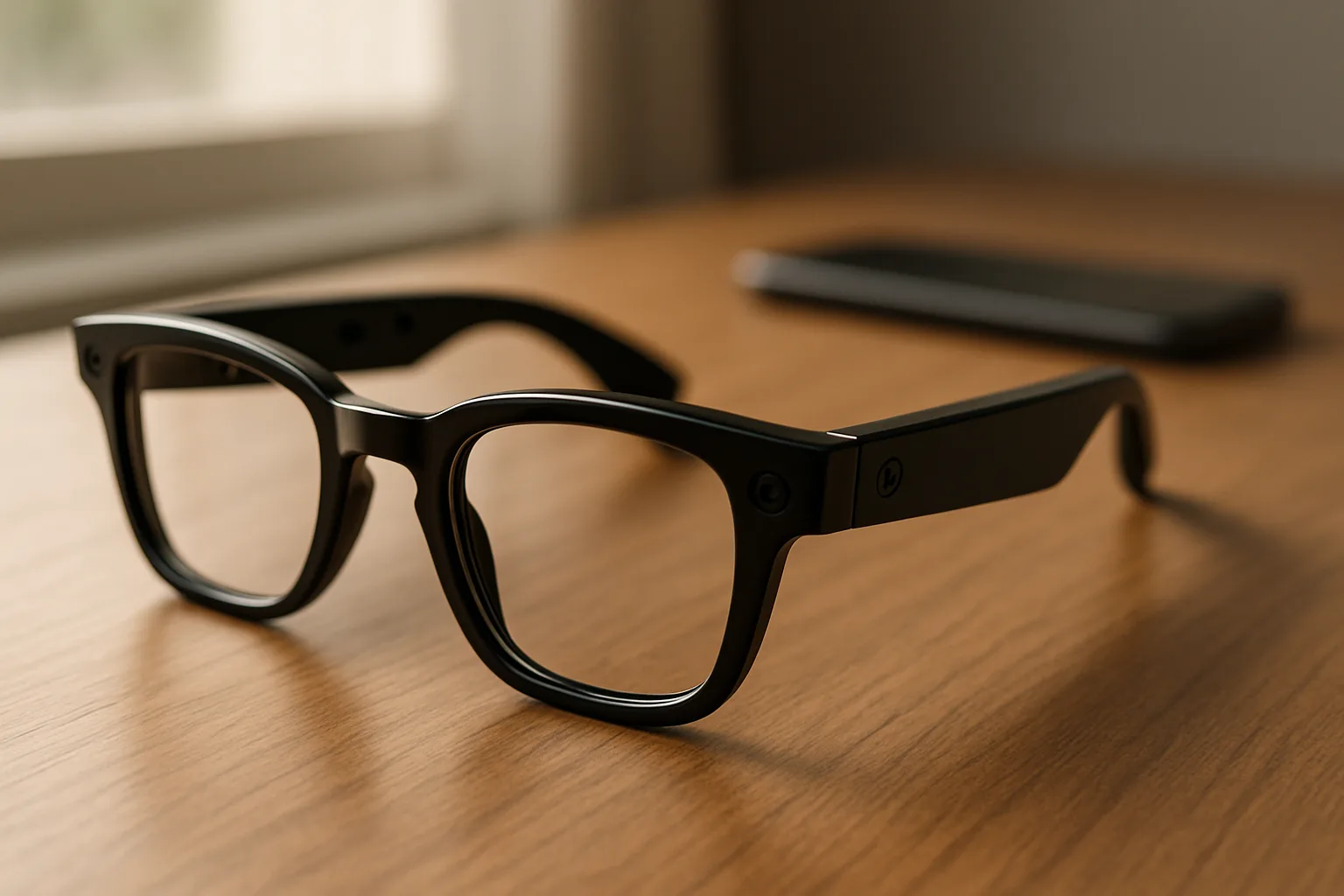
Right, so LetinAR's just bagged themselves $18.5 million to properly scale up their optical module tech for smart glasses. If you've been keeping tabs on AR specs, you'll know the biggest challenge isn't shoving fancy tech into frames—it's making them light enough that you'd actually wear them outside without looking like a right muppet. That's exactly what LetinAR reckons they've cracked.
What's the Big Deal Then?
The Korean company specializes in PinMR (Pinlight Mirror) optical technology, which projects images into your eyeballs whilst keeping the whole package slim and lightweight. Unlike the chunky optics you'll find in something like the Magic Leap 2, LetinAR's modules are designed for everyday glasses that don't scream "I'm wearing a computer on my face." This latest funding round will go towards expanding production capacity and scaling manufacturing of these optical components.
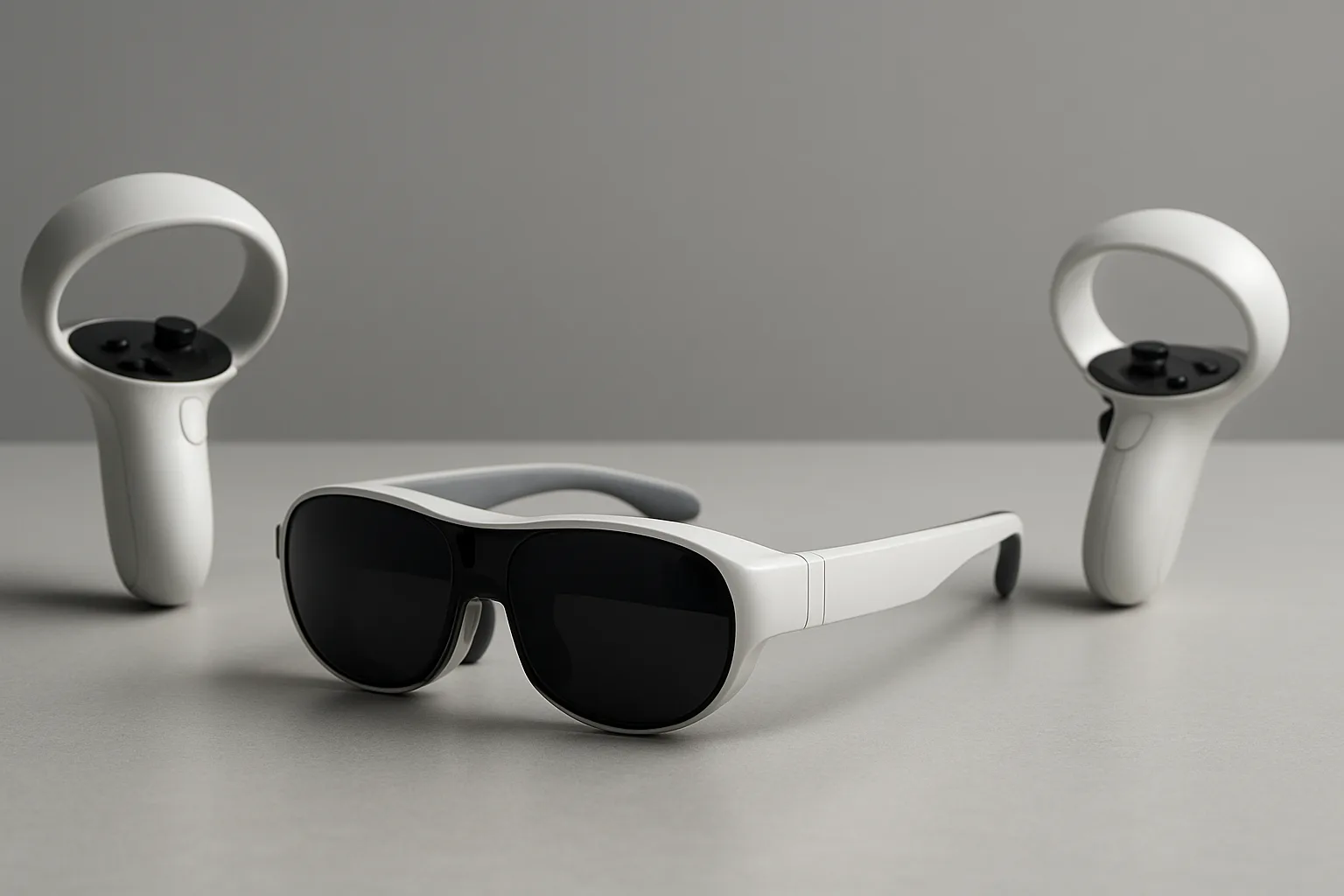
The thing is, we've seen loads of smart glasses launches recently—from the Xreal One Pro to various Rokid Max Pro offerings—but most are still chunky display viewers rather than true AR glasses you'd wear to Tesco. LetinAR's tech is aiming for that sweet spot where the glasses look normal but can overlay digital info on your real world view without weighing your face down.
Who's Behind the Cash?
The Series C funding was led by SH Energy & Chemical Venture Capital, with support from existing investors including Quantum Ventures Korea and Atinum Investment. This brings LetinAR's total funding to a pretty decent sum, and word on the street is they're eyeing an IPO down the line. Not surprising really—the optical component market for AR glasses is absolutely massive, and whoever cracks lightweight, affordable optics is going to print money.
Why Should VR Fans Care?
Here's my take: proper AR glasses are the natural evolution of what we're seeing with headsets like the Meta Quest 3. Mixed reality is brilliant, but you can't exactly wear a Quest to the pub. If LetinAR can mass-produce lightweight optical modules that actually work, we're one massive step closer to AR glasses becoming as common as smartphones. The tech's been "five years away" for about fifteen years now, but investments like this suggest manufacturers are finally serious about making it happen. Whether they'll actually pull it off? That's the £18.5 million question, innit?
Join the discussion below. Sign in to leave a comment or reply.
You need to be signed in before you can leave a comment or reply to the discussion.
Keep exploring
Explore topics →